


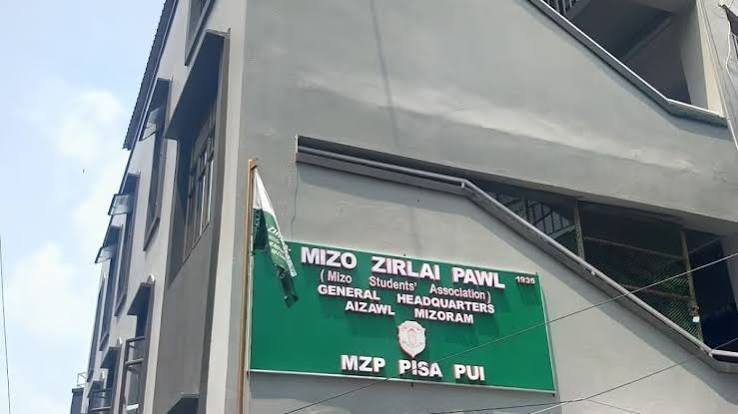
The Mizo Zirlai Pawl (MZP) has urged Mizoram’s Chief Secretary to address what it describes as arbitrary actions by central agencies, including the Enforcement Directorate (ED), National Investigation Agency (NIA), and Income Tax Department, against local traders.
According to the student organisation, some central agencies allegedly conduct actions involving local traders without informing Mizoram Police. Moreover, the MZP has called for greater coordination between central agencies and the state administration to protect due process and reduce uncertainty for businesses.
The issue has raised broader questions about coordination between central investigative bodies and state authorities.
Nisha JamVwal At Jeffrey Archers star studded wedding Anniversary
MZP Raises Concerns Over Central Agencies
The MZP has approached Mizoram’s Chief Secretary over alleged interference by central agencies in matters involving local traders.
The organisation claims that agencies such as the ED, NIA, and Income Tax Department have carried out actions without adequately informing the state police. Furthermore, MZP argues that such actions can create concern among traders and raise questions about administrative coordination.
The student body has therefore sought intervention from the state government.
ED, NIA and Income Tax Department Named
The MZP specifically referred to three central bodies: the Enforcement Directorate, National Investigation Agency, and Income Tax Department.
Each agency operates under its respective legal framework and has different investigative or enforcement responsibilities. However, the MZP’s complaint focuses on how their activities allegedly affect local traders and their interactions with state authorities.
The organisation wants greater clarity and coordination during such operations.
Alleged Harassment of Local Traders
According to the MZP, local traders have faced what it characterises as harassment during actions by central agencies.
The allegations do not by themselves establish wrongdoing by the agencies or the traders involved. Moreover, any investigation or enforcement action remains subject to applicable laws and procedures.
The MZP is seeking greater oversight and communication rather than leaving such allegations unresolved.
State Police Notification Becomes Key Issue
One of the central concerns raised by MZP involves alleged lack of communication with Mizoram Police.
The organisation argues that state authorities should remain informed when central agencies conduct operations involving local residents or businesses. Additionally, better communication could help prevent misunderstandings and improve coordination between different law-enforcement institutions.
The demand places administrative cooperation at the centre of the dispute.
Chief Secretary Asked to Intervene
The MZP has urged the Mizoram Chief Secretary to examine the issue and take appropriate steps.
The Chief Secretary oversees the state’s senior administrative machinery and can facilitate coordination between departments. Furthermore, intervention at the administrative level could provide an avenue for the state government to communicate its concerns to relevant central authorities.
The organisation is seeking a formal response to its allegations.
Balancing Central and State Responsibilities
India’s governance system involves responsibilities shared between Union and state institutions.
Central investigative agencies can exercise powers under national laws, while state authorities manage policing and administration within their jurisdiction. Moreover, effective coordination can help different institutions carry out their responsibilities without unnecessary friction.
The MZP’s concerns therefore touch on a broader administrative question.
Traders Seek Predictable Business Environment
Local traders depend on a stable regulatory environment to conduct business.
Unexpected enforcement activity can create uncertainty, particularly when business owners do not understand which authority is responsible for an investigation. Additionally, clear communication can help legitimate businesses respond appropriately to lawful inquiries.
The MZP’s intervention highlights these concerns within Mizoram’s trading community.
Importance of Due Process
Any enforcement action should follow the legal procedures applicable to the relevant agency.
Due process helps protect individual rights while allowing authorities to investigate suspected violations. Furthermore, transparent procedures can strengthen public confidence in investigative institutions.
The concerns raised by MZP consequently underline the importance of ensuring that enforcement remains legally grounded and properly communicated.
Coordination Could Reduce Tensions
Improved coordination between central agencies and Mizoram authorities could help address some of the concerns raised by the student organisation.
Regular communication channels could reduce confusion about ongoing operations and clarify institutional responsibilities. Moreover, coordination can help ensure that investigations proceed efficiently while maintaining appropriate respect for state administrative structures.
Such mechanisms could help prevent future disputes.
MZP’s Wider Civic Role
The Mizo Zirlai Pawl has historically participated in public and social issues affecting Mizoram.
Its latest intervention places the organisation within an ongoing discussion about governance, institutional accountability, and the treatment of local businesses. Additionally, the complaint demonstrates how civil-society groups can raise concerns about interactions between citizens and government agencies.
The Chief Secretary’s response could determine the next stage of the issue.
What Happens Next?
The state government may need to examine the specific allegations and determine whether additional coordination mechanisms are necessary.
Further clarification from the central agencies could also help establish the circumstances surrounding the alleged actions. Moreover, any assessment should distinguish verified facts from claims made by the organisation.
The issue could consequently lead to further administrative discussions between Mizoram and central authorities.
Conclusion
The Mizo Zirlai Pawl’s allegations of central agency interference have prompted calls for the Mizoram Chief Secretary to examine the treatment of local traders by agencies including the ED, NIA, and Income Tax Department.
Moreover, MZP has raised concerns about alleged operations conducted without informing Mizoram Police and has called for stronger coordination between central agencies and the state administration. At the same time, the allegations require appropriate verification, while lawful investigations must continue under the applicable legal framework.
Overall, the dispute highlights the importance of coordination, due process, and clear communication between central investigative agencies, state authorities, and local businesses in Mizoram.
FAQs
1. What has the MZP alleged?
The MZP has alleged that some central agencies have taken arbitrary actions against local traders without adequately informing Mizoram Police.
2. Which agencies did MZP name?
The organisation referred to the ED, NIA, and Income Tax Department.
3. What has MZP asked the Chief Secretary to do?
MZP has urged the Chief Secretary to address the alleged actions and improve coordination between central agencies and state authorities.
4. Does the allegation establish wrongdoing?
No. The claims made by MZP require verification and appropriate examination and do not by themselves establish misconduct by any agency or trader.
5. Why is coordination important?
Clear coordination can help ensure that lawful investigations proceed effectively while reducing administrative confusion and protecting due process.