


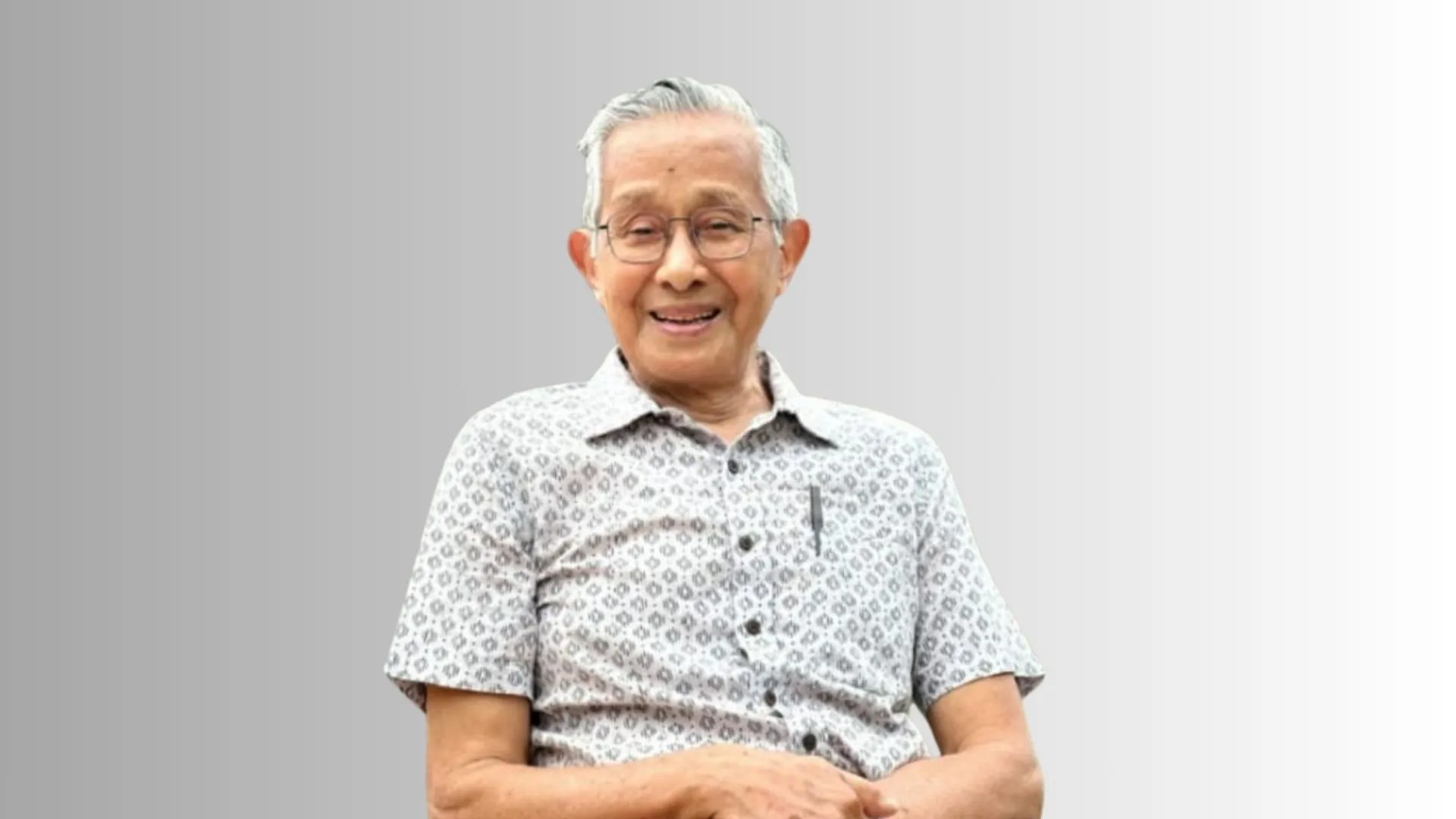
The Naga community is mourning the reported death of Niketu Iralu, a renowned peace activist, writer, and veteran educator who died at the age of 90. Iralu remained closely associated with efforts to promote peace, dialogue, education, and reconciliation in Nagaland and the wider Northeast.
His passing marks the loss of a prominent voice in discussions surrounding the Naga peace process and the region’s social and political history. Moreover, his work as an educator and writer gave him an influential role in shaping public understanding of conflict, identity, and reconciliation.
The death has prompted reflection on his decades of public engagement. However, the information available does not provide details about the circumstances of his death, funeral arrangements, or official tributes.
Manipur 48-Hour Strike Paralyzes Life: JFD Shutdown Brings Five Valley Districts to Standstill
Niketu Iralu Remembered for Peace Work
Niketu Iralu’s peace work became closely associated with efforts to encourage dialogue during periods of conflict in Nagaland.
Rather than viewing conflict only through political or security perspectives, peace advocates such as Iralu emphasised dialogue, understanding, and reconciliation. Furthermore, his engagement contributed to wider conversations about the human consequences of prolonged conflict.
His work earned recognition among people interested in peace-building and the Naga political situation.
A Veteran Educator Leaves a Legacy
Iralu also built a long association with education.
As an educator, he contributed to discussions about the role of learning in shaping young people and strengthening society. Additionally, his experience allowed him to connect education with broader questions of identity, citizenship, peace, and community development.
His passing therefore represents a loss not only to peace advocacy but also to the educational community.
Writer and Public Intellectual
Iralu used writing to examine issues affecting Nagaland and its people.
His work contributed to public discussions about history, conflict, identity, and the search for lasting peace. Moreover, writing gave him a platform to communicate complex issues to audiences beyond formal political institutions.
His literary and intellectual contributions formed an important part of his public legacy.
Naga Peace Process Remains a Major Issue
The Naga peace process has remained one of India’s longest-running political peace efforts.
The process has involved negotiations, competing perspectives, and repeated calls for dialogue among stakeholders. Furthermore, civil society figures have often played an important role in encouraging communication and maintaining public discussion around peace.
Iralu’s involvement placed him within this wider tradition of peace advocacy.
Emphasis on Dialogue and Reconciliation
Peace-building often requires sustained dialogue between communities and stakeholders.
Iralu’s public engagement reflected the importance of communication in addressing longstanding disagreements. Additionally, reconciliation can require communities to acknowledge historical experiences while looking toward a shared future.
His advocacy contributed to these broader conversations.
However, the specific initiatives he undertook during different stages of the peace process would require further documentation.
His Work Extended Beyond Politics
Although peace advocacy formed a major part of Iralu’s public identity, his contributions also extended into education and writing.
This combination allowed him to approach regional issues from multiple perspectives. Moreover, his work demonstrated how educators, writers, and civil society figures can influence public conversations without holding formal political office.
His legacy therefore extends across several areas of public life.
A Voice for Younger Generations
Education provided Iralu with an opportunity to engage with younger generations.
Young people often play an important role in determining how societies remember periods of conflict and how they approach future reconciliation. Furthermore, educators can encourage students to examine history critically while considering the importance of peace and social responsibility.
Iralu’s career reflected this connection between education and social change.
Northeast India Mourns His Passing
The reported death of a prominent Naga peace advocate has significance beyond Nagaland.
The Northeast has experienced several complex political and social conflicts, making peace-building an important part of the region’s contemporary history. Additionally, figures who work across community and political boundaries can play an important role in maintaining dialogue.
Iralu’s passing therefore resonates with a wider regional audience.
His Legacy Could Continue Through Education
The ideas promoted by educators and peace advocates can continue through institutions and younger generations.
Students, writers, researchers, and civil society organisations can preserve and examine their contributions through books, archives, discussions, and academic work. Moreover, documenting peace initiatives can help future generations understand the region’s difficult history.
Such efforts can keep important lessons from earlier peace-building work alive.
The Importance of Civil Society
Civil society has historically played an important role in the Naga political landscape.
Church organisations, community groups, educators, writers, and other public figures have contributed to discussions around peace and reconciliation. Furthermore, their participation can provide perspectives that differ from those of governments and armed organisations.
Iralu’s career reflected the potential influence of such civic engagement.
What His Passing Means for the Peace Dialogue
The loss of an experienced peace advocate comes at a time when the Naga peace process remains an important regional issue.
Future peace efforts will continue to depend on dialogue among political actors, communities, civil society organisations, and other stakeholders. Moreover, the experience of senior peace advocates can provide valuable historical context for younger participants.
Iralu’s passing may therefore prompt renewed reflection on the lessons of earlier peace initiatives.
Remembering a Life of Service
At 90, Iralu left behind decades of engagement with education, writing, and peace advocacy.
His career demonstrated a long-term commitment to public issues affecting Nagaland and its people. Additionally, his work connected intellectual engagement with practical concerns surrounding conflict and reconciliation.
His contribution will remain part of the region’s modern social and political history.
Conclusion
The reported passing of Niketu Iralu at the age of 90 marks the loss of a respected Naga peace activist, writer, and veteran educator. His decades of engagement with peace, dialogue, education, and public affairs gave him a distinctive place in Nagaland’s contemporary history.
Moreover, his work reflected the importance of civil society voices in discussions about conflict and reconciliation. At the same time, his contributions as an educator and writer expanded his influence beyond the political sphere.
Overall, the legacy of Niketu Iralu will remain connected to the pursuit of peace, education, dialogue, and a deeper understanding of Nagaland’s complex history.
FAQs
1. Who was Niketu Iralu?
Niketu Iralu was a Naga peace activist, writer, and veteran educator known for his engagement with peace and reconciliation efforts.
2. How old was Niketu Iralu when he died?
He was reportedly 90 years old.
3. What was he known for?
He was known for his work involving peace advocacy, education, writing, and public discussions about Nagaland’s history and conflict.
4. Why was his role significant?
His work contributed to civil-society discussions around dialogue, reconciliation, and the Naga peace process.
5. What is his lasting legacy?
His legacy includes decades of work in peace advocacy, education, writing, and public engagement in Nagaland and the wider Northeast.