


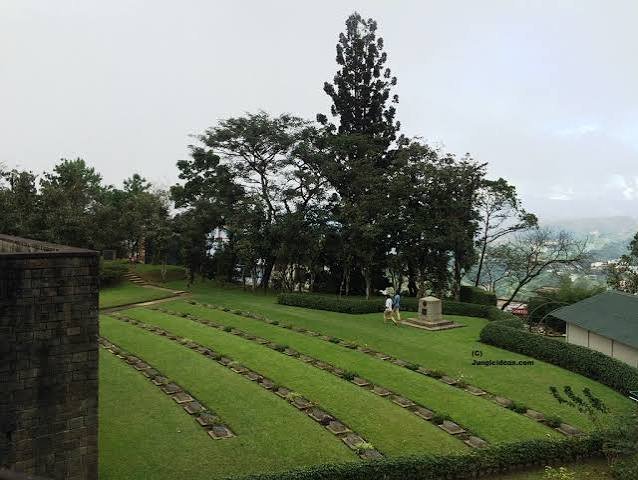
The Nagaland Heritage Conservation effort gained momentum on August 22 as the state Culture Department took over the preservation of World War II remnants in Kohima.
The move aims to protect historically significant sites and structures connected with the Second World War. Moreover, preserving these remnants can help future generations understand Kohima’s important role in the region’s wartime history.
The initiative also strengthens Nagaland’s efforts to protect its historical heritage while creating opportunities for cultural education and tourism.
Meghalaya IT Park Phase 2: IT Firms Begin Occupying Units at Shillong Technology Park
Nagaland Heritage Conservation Initiative Begins
The Nagaland state Culture Department took responsibility for preserving WWII remnants in Kohima on August 22.
The move places historically important wartime remains under greater institutional attention. Furthermore, government involvement can support systematic conservation and help prevent important heritage sites from deteriorating.
The initiative marks an important step in protecting Kohima’s wartime legacy.
Kohima’s World War II Heritage
Kohima holds an important place in the history of the Second World War because of the Battle of Kohima, which formed part of the wider Burma Campaign.
The battle had major significance in the Allied defence of the region. Additionally, surviving wartime remnants provide physical connections to this important period of history.
Preserving these remains can therefore help maintain a tangible record of Nagaland’s wartime past.
Government Takes Responsibility for Preservation
The Culture Department’s involvement can provide a more structured approach to heritage conservation.
Authorities can assess the condition of historical remnants and determine appropriate preservation measures. Moreover, institutional oversight can help coordinate conservation work while ensuring that historical features receive appropriate protection.
The August 22 development consequently places greater emphasis on safeguarding Kohima’s wartime heritage.
Protecting Historical Remnants
Wartime structures and remains can deteriorate because of weather, environmental conditions, and development pressures.
Regular conservation efforts can help prevent further damage and preserve historically significant features. Furthermore, documenting the condition and history of individual sites can assist researchers and future conservation projects.
The initiative can therefore support both physical preservation and historical documentation.
Importance for Future Generations
Heritage sites provide opportunities for younger generations to learn about history beyond textbooks.
Students can better understand the impact of the Second World War by visiting preserved locations and studying their historical context. Additionally, well-maintained sites can encourage greater interest in Nagaland’s regional history.
Preservation consequently has an important educational role.
Tourism Potential
Kohima’s wartime heritage also has potential to contribute to historical and cultural tourism.
Visitors interested in military history can explore sites connected with the Battle of Kohima and the wider wartime period. Moreover, responsible heritage tourism can generate opportunities for local guides, businesses, and communities.
Conservation can therefore provide both cultural and economic benefits.
Role of Local Communities
Local communities can play an important role in protecting heritage sites.
Residents often possess valuable knowledge about historical locations and traditions associated with them. Furthermore, community participation can help authorities monitor sites and promote responsible tourism.
Cooperation between government agencies, historians, and local communities can strengthen long-term conservation.
Preserving Nagaland’s Identity
Historical heritage contributes to the cultural identity of a region.
Protecting WWII remnants allows Nagaland to preserve an important chapter of its modern history. Additionally, conservation can ensure that historical sites remain accessible for research, education, and public understanding.
The initiative therefore extends beyond the preservation of physical structures.
Need for Sustainable Conservation
Heritage conservation requires long-term planning rather than one-time intervention.
Authorities may need to conduct regular assessments, maintain sites, and develop appropriate visitor-management measures. Moreover, conservation efforts should balance public access with the protection of fragile historical remains.
A sustainable approach can ensure that these sites survive for future generations.
Looking Ahead
The Culture Department’s takeover could lead to further documentation and preservation work across Kohima’s wartime heritage sites.
Future initiatives may include historical research, site restoration, educational programmes, and responsible tourism development. Furthermore, collaboration with historians and local communities can help ensure that conservation reflects the historical significance of each location.
The August 22 decision marks an important beginning for these efforts.
Conclusion
The Nagaland Heritage Conservation initiative advanced on August 22, when the state Culture Department took over the preservation of World War II remnants in Kohima.
Moreover, the move can help protect important physical evidence of the region’s wartime history while supporting education and heritage tourism. At the same time, long-term conservation will require sustained government attention and community participation.
Overall, preserving Kohima’s WWII remnants can help safeguard Nagaland’s historical legacy and ensure that future generations can continue to learn from the region’s wartime past.
FAQs
1. What heritage initiative did Nagaland announce?
The state Culture Department took responsibility for preserving World War II remnants in Kohima.
2. When did the department take over the preservation work?
The takeover took place on August 22.
3. Why are the WWII remnants important?
They provide a tangible connection to Kohima’s wartime history and the Battle of Kohima during the Second World War.
4. Can the heritage sites support tourism?
Yes. Preserved wartime sites can support historical and cultural tourism while creating opportunities for local communities.
5. Why is long-term conservation necessary?
Regular conservation can help protect historical remains from deterioration and ensure that future generations can study and understand their significance.