


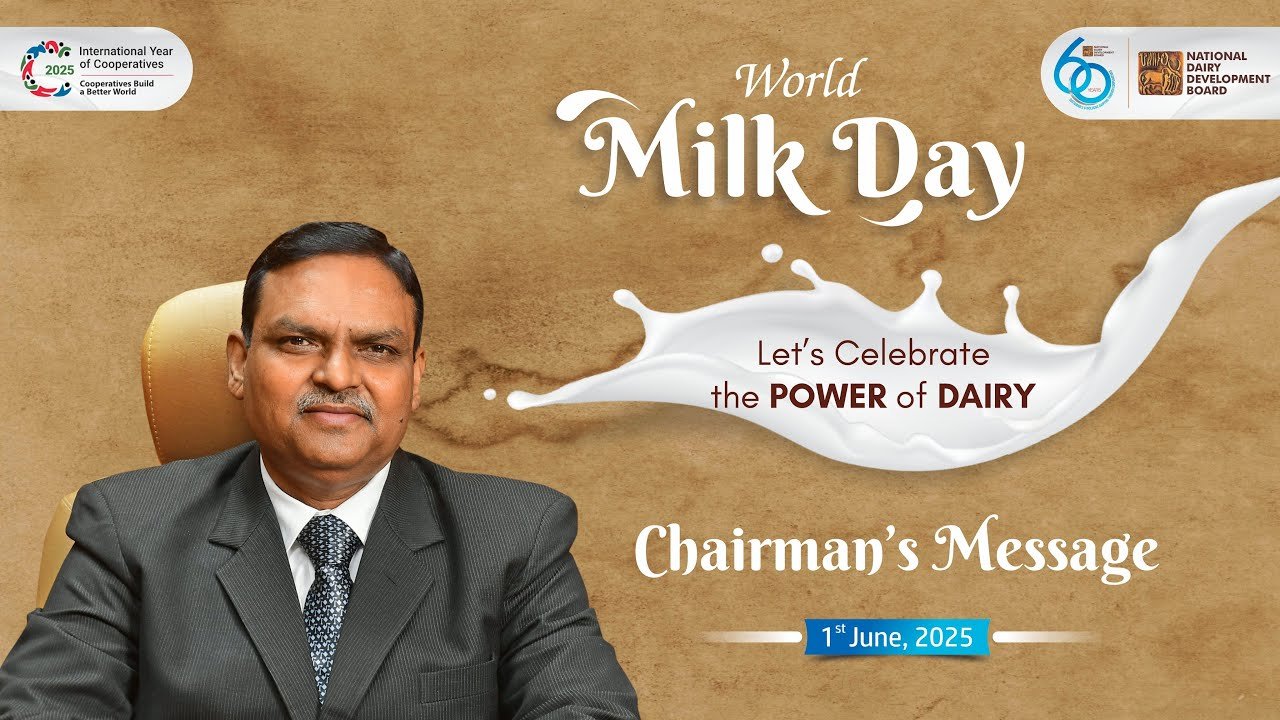
The Dairy Development Visit scheduled for June 20 has gained significance after National Dairy Development Board Chairman Dr. Meenesh C. Shah confirmed his official trip to the state. The visit aims to strengthen rural milk cooperatives and support efforts to enhance dairy sector development.
The Visit by National Dairy Development Board (NDDB) Chairman Dr. Meenesh C. Shah is scheduled for June 20, with a focus on promoting rural milk cooperatives. Moreover, the visit highlights the growing importance of the dairy sector in supporting rural livelihoods and strengthening cooperative institutions. The development has drawn attention from stakeholders involved in milk production and allied activities.
CM Manik Saha Attends 11th NITI Aayog Governing Council Meeting in New Delhi
Tripura Brings Over 3,500 Hectares Under Oil Palm Cultivation
Dairy Development Visit Confirmed by NDDB Chairman
The Visit was confirmed by Dr. Meenesh C. Shah, Chairman of the National Dairy Development Board. Furthermore, the official trip is expected to focus on initiatives aimed at expanding and strengthening milk cooperative networks.
The dairy sector continues to play an important role in supporting rural communities. Consequently, visits by senior officials often provide opportunities to review progress and discuss future priorities.
Moreover, cooperative structures remain central to dairy development strategies. Therefore, the upcoming visit has attracted considerable interest among stakeholders.
June 20 Visit to Focus on Rural Milk Cooperatives
One of the major objectives of the Visit is to boost rural milk cooperatives. Furthermore, such organizations play a significant role in connecting dairy farmers with markets and ensuring stable incomes.
Cooperative models have contributed to the growth of India’s dairy sector over the years. Additionally, they provide platforms for farmers to work collectively and improve productivity.
Consequently, strengthening these institutions remains an important aspect of dairy development policies. Thus, the visit is expected to emphasize the importance of cooperative frameworks.
Dairy Sector Holds Importance for Rural Economy
The Visit comes at a time when the dairy sector continues to contribute significantly to rural livelihoods. Moreover, milk production and allied activities provide income opportunities for thousands of farming households.
Dairy cooperatives help farmers access markets and improve supply chains. Similarly, they contribute to economic development by creating opportunities for rural communities.
Furthermore, strengthening the sector can encourage sustainable growth and support agricultural diversification. Therefore, policymakers frequently focus on enhancing dairy infrastructure and cooperative systems.
NDDB Continues to Promote Cooperative Growth
The National Dairy Development Board has long emphasized the importance of cooperative models. Moreover, these institutions have helped shape the country’s dairy industry and strengthen farmer participation.
The Dairy Development Visit reflects continued efforts to support cooperative structures and encourage development at the grassroots level. Consequently, the visit may help reinforce collaboration between stakeholders and local institutions.
Additionally, regular interactions with state authorities and farmers contribute to the exchange of ideas and experiences. Thus, such visits remain important for promoting sectoral growth.
Importance of Strengthening Milk Cooperatives
Milk cooperatives provide essential support to dairy producers. Furthermore, they help ensure fair access to markets and facilitate the collection and distribution of milk.
The Dairy Development Visit underscores the importance of improving cooperative systems. Consequently, enhanced institutional support can contribute to better opportunities for dairy farmers.
Moreover, strong cooperative networks often promote financial stability and encourage greater participation from rural communities. Therefore, investments in cooperative development remain important for long-term growth.
Dairy Development Visit Reflects Broader Agricultural Goals
The upcoming Dairy Development Visit also aligns with broader efforts aimed at promoting rural development and strengthening agricultural sectors. Furthermore, dairy farming complements other agricultural activities and supports household incomes.
As demand for dairy products continues to grow, authorities and institutions are expected to focus on improving productivity and efficiency. Similarly, cooperative-based models are likely to remain central to development strategies.
Consequently, the June 20 visit represents an important opportunity to advance discussions concerning the future of the dairy sector.
Conclusion
The Dairy Development Visit by NDDB Chairman Dr. Meenesh C. Shah on June 20 highlights the importance of strengthening rural milk cooperatives and promoting dairy sector growth. The visit reflects ongoing efforts to support farmers and improve cooperative institutions.
Moreover, the dairy sector remains a vital contributor to rural livelihoods and economic development. Consequently, initiatives aimed at enhancing milk cooperatives continue to receive policy attention.
Looking ahead, collaboration between institutions and farming communities will remain essential for sustainable growth. Therefore, the Dairy Development Visit represents a significant step toward advancing the dairy ecosystem and supporting rural development.
FAQs
1. What is the Dairy Development Visit about?
The Dairy Development Visit involves NDDB Chairman Dr. Meenesh C. Shah’s official trip aimed at strengthening rural milk cooperatives.
2. When is the Dairy Development Visit scheduled?
The visit is scheduled for June 20.
3. Who confirmed the Dairy Development Visit?
National Dairy Development Board Chairman Dr. Meenesh C. Shah confirmed the visit.
4. What is the primary focus of the visit?
The primary objective is to boost rural milk cooperatives and support dairy sector development.
5. Why are milk cooperatives important?
Milk cooperatives help farmers access markets, improve incomes, and strengthen rural economies.