


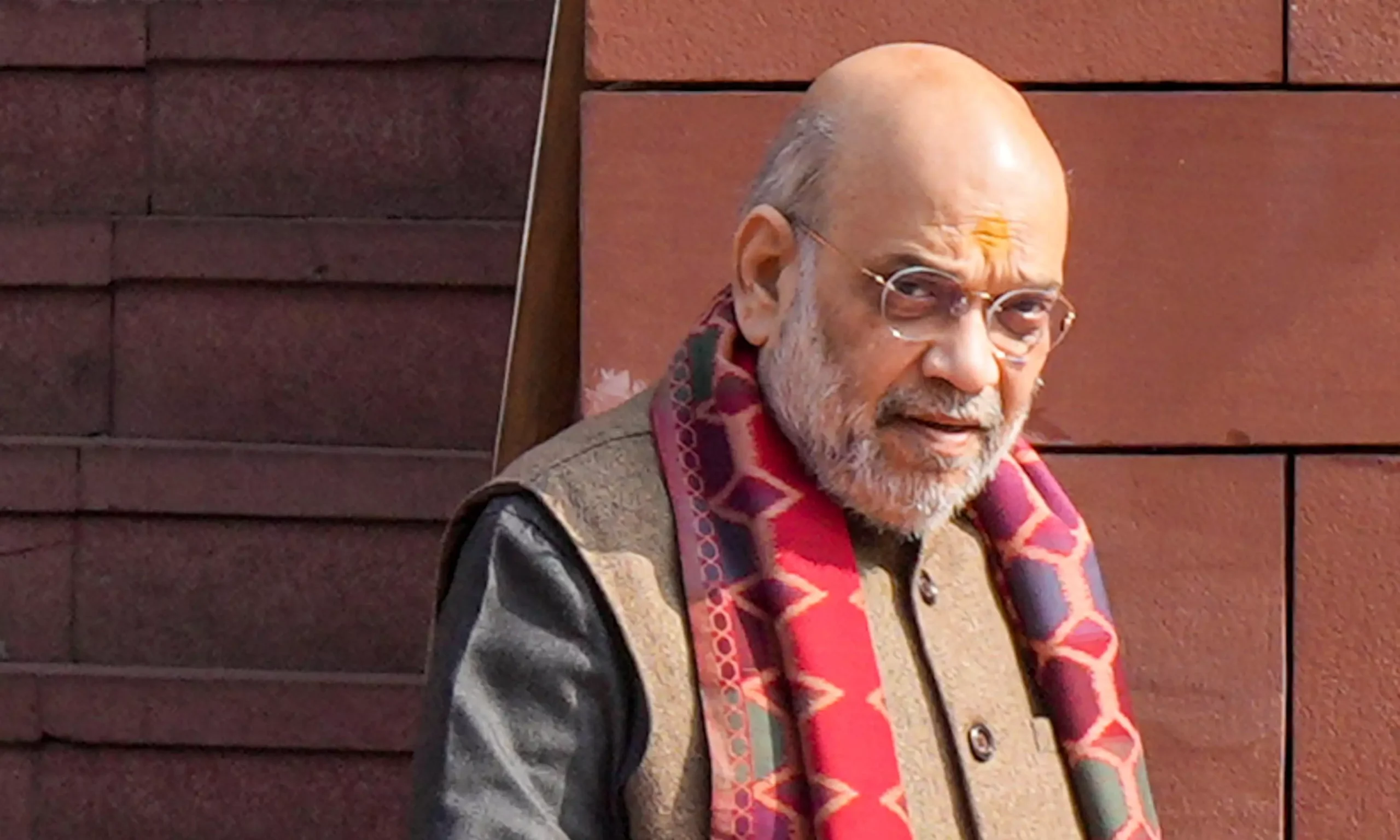
The NEC 73rd Plenary Session officially commenced in Shillong, Meghalaya, with Union Home Minister Amit Shah chairing the high-profile gathering of northeastern leaders and policymakers. The meeting serves as one of the region’s most important development forums, bringing together chief ministers, governors, senior officials, and stakeholders to discuss infrastructure, connectivity, economic growth, security, and social development across the Northeast. Moreover, the session is expected to shape future strategies aimed at accelerating the region’s transformation.
Assam Cabinet Expansion Set for June 5 as 12 MLAs Prepare to Take Oath
NEC Reviews Outcomes of North East Investment Summit and Bankers’ Conclave
Amit Shah Chairs Key Regional Meeting
Union Home Minister Amit Shah officially presided over the NEC 73rd Plenary Session in Shillong, marking a significant event in the Northeast’s policy and development calendar.
Moreover, the plenary session provides a platform for leaders from all northeastern states to review ongoing projects, evaluate progress, and discuss future priorities. Such meetings play an important role in strengthening regional coordination and governance.
Consequently, the event has attracted considerable attention across the region.
Importance of the North Eastern Council
The North Eastern Council (NEC) serves as a key regional planning and coordination body for the eight northeastern states.
Furthermore, the council promotes balanced development through initiatives focused on infrastructure, connectivity, education, healthcare, tourism, agriculture, and economic growth.
Therefore, its plenary sessions often influence major policy decisions and development strategies.
Shillong Hosts High-Level Deliberations
Shillong, the capital of Meghalaya, is hosting the prestigious gathering of political leaders, administrators, and development experts.
Moreover, the city has historically served as an important center for regional dialogue and policymaking in the Northeast.
As a result, the venue provides an appropriate setting for discussions on the region’s future.
Focus on Infrastructure Development
Infrastructure remains one of the most critical priorities for the Northeast.
Furthermore, delegates are expected to discuss roads, railways, airports, digital connectivity, and cross-border transportation networks aimed at improving accessibility and economic integration.
Consequently, infrastructure development is likely to remain a central theme throughout the session.
Strengthening Regional Connectivity
Improved connectivity continues to play a vital role in unlocking the economic potential of the Northeast.
Moreover, enhanced transport and communication networks can facilitate trade, tourism, investment, and social development across the region.
Therefore, policymakers are expected to explore new strategies for expanding regional and national connectivity.
Economic Growth and Investment Opportunities
Economic development remains a key objective of the North Eastern Council.
Furthermore, discussions may focus on attracting investment, supporting entrepreneurship, promoting local industries, and creating employment opportunities for youth.
As a result, the plenary session could help shape future economic initiatives across the region.
Addressing Security and Border Management
Given the strategic importance of the Northeast, security and border management remain important areas of discussion.
Moreover, coordination among states and central agencies helps strengthen stability while supporting development efforts in border regions.
Consequently, security-related issues are expected to receive attention during deliberations.
Human Development Priorities
Education, healthcare, skill development, and social welfare continue to be essential components of regional progress.
Furthermore, policymakers are likely to review existing programs and explore new measures aimed at improving quality of life for residents across the Northeast.
Therefore, human development initiatives remain a significant part of the council’s agenda.
Vision for a Stronger Northeast
The NEC has consistently emphasized inclusive and sustainable development throughout the region.
Moreover, collaborative planning among northeastern states helps ensure that development efforts address shared challenges and opportunities.
As a result, the plenary session serves as a platform for building consensus on long-term regional goals.
Looking Ahead
The NEC 73rd Plenary Session is expected to produce important recommendations and policy directions that could influence the future development trajectory of the Northeast.
Furthermore, continued cooperation among state governments and the central government will be essential for translating discussions into tangible outcomes.
Consequently, stakeholders across the region will closely monitor the session’s decisions and announcements.
Conclusion
The NEC 73rd Plenary Session in Shillong marks a significant moment for Northeast India as leaders gather under the chairmanship of Union Home Minister Amit Shah to discuss the region’s development priorities. With a focus on infrastructure, connectivity, economic growth, security, and social progress, the meeting underscores the importance of collaborative policymaking in shaping the future of the Northeast.
As deliberations continue, the outcomes of the session may play a crucial role in advancing regional development and strengthening cooperation among the northeastern states.
FAQs
What is the NEC 73rd Plenary Session?
It is the 73rd plenary meeting of the North Eastern Council, focused on regional development and policy coordination.
Who chaired the session?
Union Home Minister Amit Shah chaired the plenary session.
Where is the meeting being held?
The session is taking place in Shillong, Meghalaya.
What are the key topics of discussion?
Infrastructure, connectivity, economic growth, security, healthcare, education, and regional cooperation.
Why is the NEC important?
The North Eastern Council helps coordinate development initiatives across the eight northeastern states.