


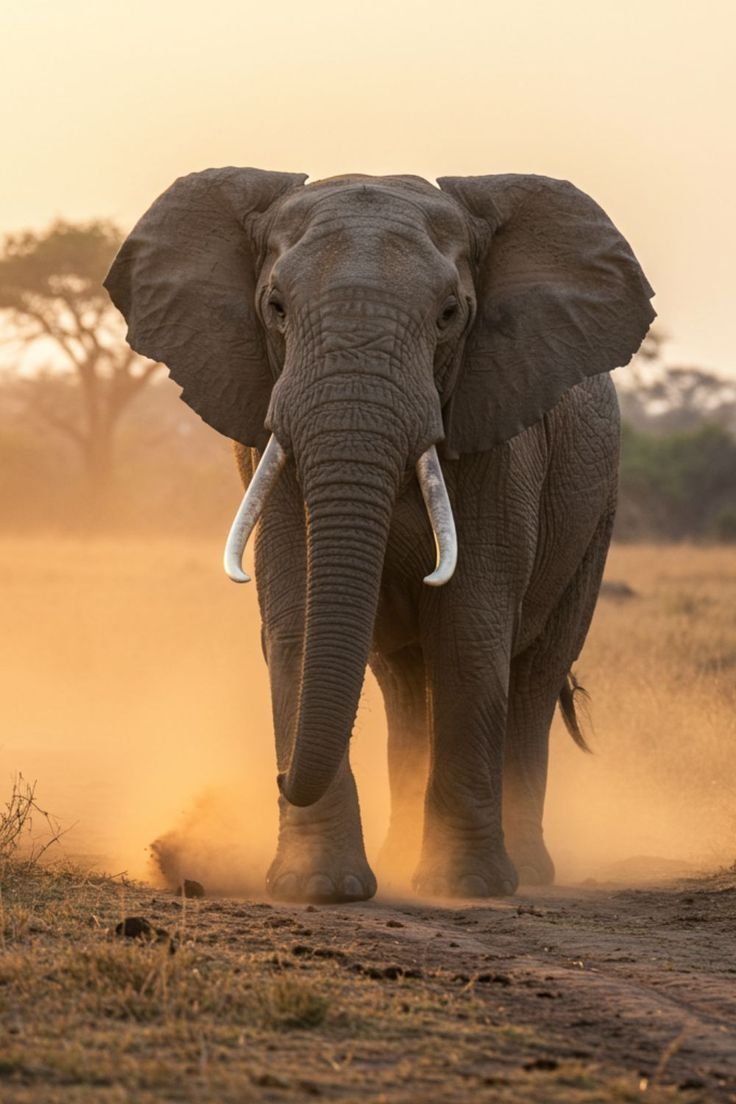
Northeast India elephant population figures have revealed that the region now stands as India’s second-largest habitat for wild elephants, led by Assam with 4,159 elephants. According to the latest report by the Union Ministry of Environment, Forest and Climate Change (MoEFCC), the region’s elephant population showcases both remarkable conservation progress and growing ecological challenges.
Home to vast forests, rolling hills, and riverine grasslands, Northeast India serves as a natural corridor for elephants migrating between India, Bhutan, Bangladesh, and Myanmar. Yet, while conservation efforts are paying off, human-elephant conflicts are also increasing, underscoring the urgent need for coexistence strategies.
Assam Leads the Elephant Conservation Map
The Assam Forest Department has confirmed that the state houses the largest number of wild elephants in the Northeast—approximately 4,159. Major protected zones like Kaziranga, Manas, and Orang National Parks remain crucial strongholds.
Assam’s conservation success is credited to Project Elephant, effective anti-poaching drives, and better protection of elephant corridors. These natural pathways connect fragmented forest zones, allowing herds to move safely without entering human settlements.
“Assam’s forest management model is now a benchmark for other states,” noted a MoEFCC official.
Meghalaya and Arunachal Pradesh Follow
The Meghalaya elephant population is estimated at around 1,700, while Arunachal Pradesh has close to 1,500 wild elephants, according to official figures. Smaller herds roam in Nagaland, Mizoram, and Tripura, contributing to the region’s total of over 8,000 elephants.
Experts from the Wildlife Institute of India (WII) highlight that these northeastern habitats form part of transboundary elephant ranges, enabling cross-border movement with Bhutan and Bangladesh. This mobility is vital for maintaining genetic diversity among Asian elephants.
Human-Elephant Conflicts on the Rise
Growing Encounters in Assam and Meghalaya
While population growth signals success, it also brings challenges. Human-elephant conflict (HEC) incidents are increasing, especially in Assam’s Sonitpur, Udalguri, and Nagaon districts. Forest loss, expanding settlements, and changing crop patterns are forcing elephants closer to villages.
Data from the Assam State Disaster Management Authority (ASDMA) reveal over 900 human fatalities in the last decade, alongside significant elephant deaths due to electrocution and train collisions.
Mitigation Measures Underway
Authorities are deploying solar-powered fences, drone surveillance, and community watch programs to curb conflict. NGOs like the Balipara Foundation and WWF-India are helping communities build early-warning systems and design crop-protection barriers.
“When people feel empowered, they help protect the elephants too,” said R. Boro, a conservation activist in Tezpur.
Expanding Elephant Corridors and Habitats
The Project Elephant initiative has identified 22 vital corridors in Northeast India alone. These links ensure elephants can migrate safely between forests and national parks.
Conservation Projects in Action
- Assam: Restoration of Kaziranga–Karbi Anglong and Manas–Ripu–Chirang corridors.
- Arunachal Pradesh: Launch of the Elephant Habitat Security Program in Namdapha and Dehing Patkai landscapes.
- Meghalaya: Forest departments are reclaiming encroached forest land to reduce corridor fragmentation.
These projects, supported by WWF-India and Project Elephant, aim to secure both habitat and human safety.
Climate Challenges and the Path Forward
Changing rainfall patterns are affecting the Northeast India elephant population, especially in tea-growing regions of Assam and Meghalaya. Drier conditions reduce food and water availability, pushing elephants into plantations.
To adapt, estate owners and forest officers are developing “Elephant Passages”—vegetated corridors that connect natural forests through tea estates, minimizing conflict.
A Call for Sustainable Coexistence
The growing Northeast India elephant population represents hope for wildlife conservation but also calls for shared responsibility. The balance between human development and ecological preservation must be maintained.
Conservation experts urge citizens to support initiatives like Project Elephant, WWF-India, and local NGOs to secure these habitats for future generations.
“Protecting elephants means protecting forests—and our shared future,” emphasized wildlife biologist Dr. Ruma Devi.
The Way Forward
Northeast India’s position as home to India’s second-largest wild elephant population is a conservation milestone. But it requires ongoing effort, cooperation, and awareness. Protecting elephant corridors, reducing habitat loss, and promoting coexistence programs are crucial steps toward sustainable harmony between humans and wildlife.
READ MORE: Tripura Child Rape and Murder: 14-Month-Old Killed in Panisagar