


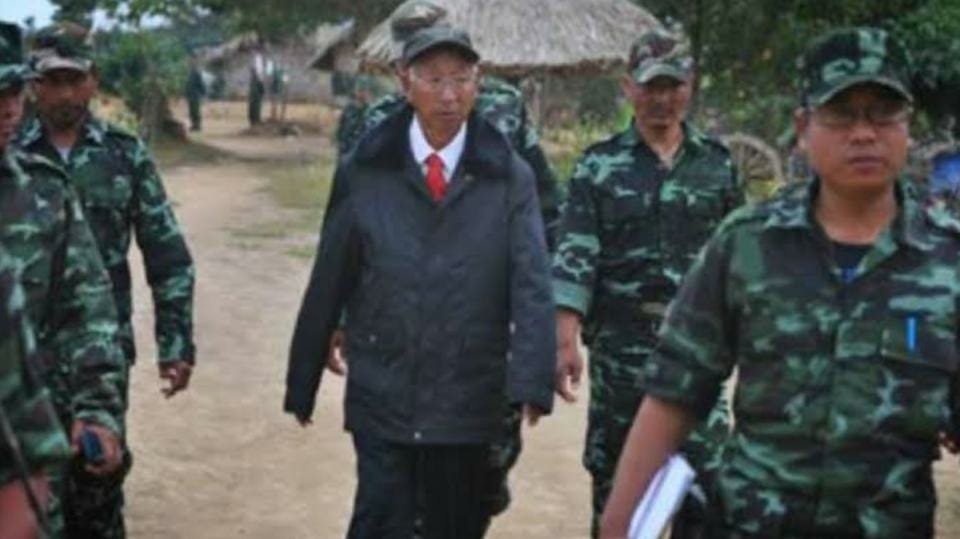
The NSCN ceasefire extension, confirmed by the Indian government, signals a renewed push toward lasting peace in Nagaland. By extending its ceasefire agreement with the National Socialist Council of Nagaland/Government of the People’s Republic of Nagaland (NSCN/GPRN), the Centre aims to maintain stability while continuing long-standing peace negotiations.
This move reflects India’s evolving strategy in dealing with insurgency in the Northeast, focusing on dialogue and demilitarization over military suppression.
What the NSCN Ceasefire Extension Means for Nagaland
The ceasefire, initially agreed upon decades ago, has been periodically renewed since 1997. The latest extension, confirmed by the Ministry of Home Affairs on September 9, 2025, is intended to keep dialogue channels open between the NSCN (GPRN) and government negotiators.
Key Points:
- Parties Involved: Government of India & NSCN/GPRN
- Duration: Extended for 1 year (until September 2026)
- Objective: To maintain peace while ongoing political negotiations continue
- Impact: Reduction in armed conflict, support for civilian administration, improved development efforts in remote districts
This truce applies primarily to the NSCN/GPRN, which is one of the non-majoritarian factions of the original NSCN movement, known for pushing the idea of a “Greater Nagalim.”
A Brief Background on the Naga Conflict
The Naga insurgency is one of the oldest armed conflicts in South Asia, dating back to the 1950s. The primary demand has long been the creation of a sovereign Naga homeland that would include parts of present-day Nagaland, Assam, Manipur, Arunachal Pradesh, and even territories in Myanmar.
Over the decades, the conflict fractured into multiple armed groups, with NSCN (IM) and NSCN (K) becoming prominent factions. The NSCN/GPRN, a breakaway group, has remained committed to peace talks while maintaining its ideological vision.
The 1997 ceasefire agreement between NSCN (IM) and the Indian government was a watershed moment, leading to prolonged peace negotiations. Several Framework Agreements, including the 2015 accord with NSCN (IM), have laid the foundation for current peacebuilding efforts.
Current Situation and the Importance of the Extension
The NSCN ceasefire extension offers a buffer zone of peace, particularly in sensitive districts such as Mon, Tuensang, and Kiphire. These areas have historically suffered from clashes between insurgents and Indian security forces.
The Home Ministry emphasized that the extension allows both sides to work out unresolved issues, including:
- Flag and constitution demands by Naga groups
- Territorial aspirations involving contiguous Naga areas
- Economic and cultural safeguards for the Naga population
Maintaining the ceasefire is crucial not only for local security but also for allowing development projects like road construction, education programs, and rural health missions to proceed without disruption.
Reactions from Key Stakeholders
Government Response:
Union Home Minister Amit Shah welcomed the ceasefire extension, stating:
“This agreement is another step toward lasting peace in Nagaland and the Northeast. We remain committed to resolving all pending issues through dialogue.”
NSCN/GPRN View:
The group has agreed to the extension under the assurance that “all core issues will remain on the negotiation table.” However, they have reiterated their stance on cultural autonomy and a distinct political identity.
Local Civil Society:
Naga civil society organizations such as the Naga Hoho and Naga Mothers’ Association have called for transparency in negotiations and the inclusion of grassroots voices in future accords.
What’s Next in the Peace Process?
With the ceasefire extended, the Centre is expected to intensify peace talks in the coming months. Several rounds of negotiations are likely to be scheduled before the end of 2025, with pressure mounting to finalize a comprehensive peace agreement.
Experts believe the next six months are crucial. Any forward momentum in negotiations could:
- Strengthen India’s internal security framework
- Reduce foreign influence in the region
- Accelerate infrastructure growth in the Northeast
A Cautious Path Forward
While the ceasefire helps avoid bloodshed, lasting peace will depend on political will, mutual concessions, and public consensus. Past ceasefires have sometimes failed to produce meaningful change on the ground.
Hence, this extension must be more than symbolic—it must pave the way for actual solutions, including:
- Institutional reform
- Greater state autonomy
- Employment opportunities for demobilized cadres
- Inclusive political dialogue
A Time for Peace and Progress
The NSCN ceasefire extension is more than a technical agreement — it is a renewed promise for peace, development, and integration. As talks continue, both the government and Naga groups must prioritize trust-building, inclusivity, and sustainable governance.
READ MORE: Assam Deport SOP Approved: Illegal Immigrants to Be Removed in 10 Days