


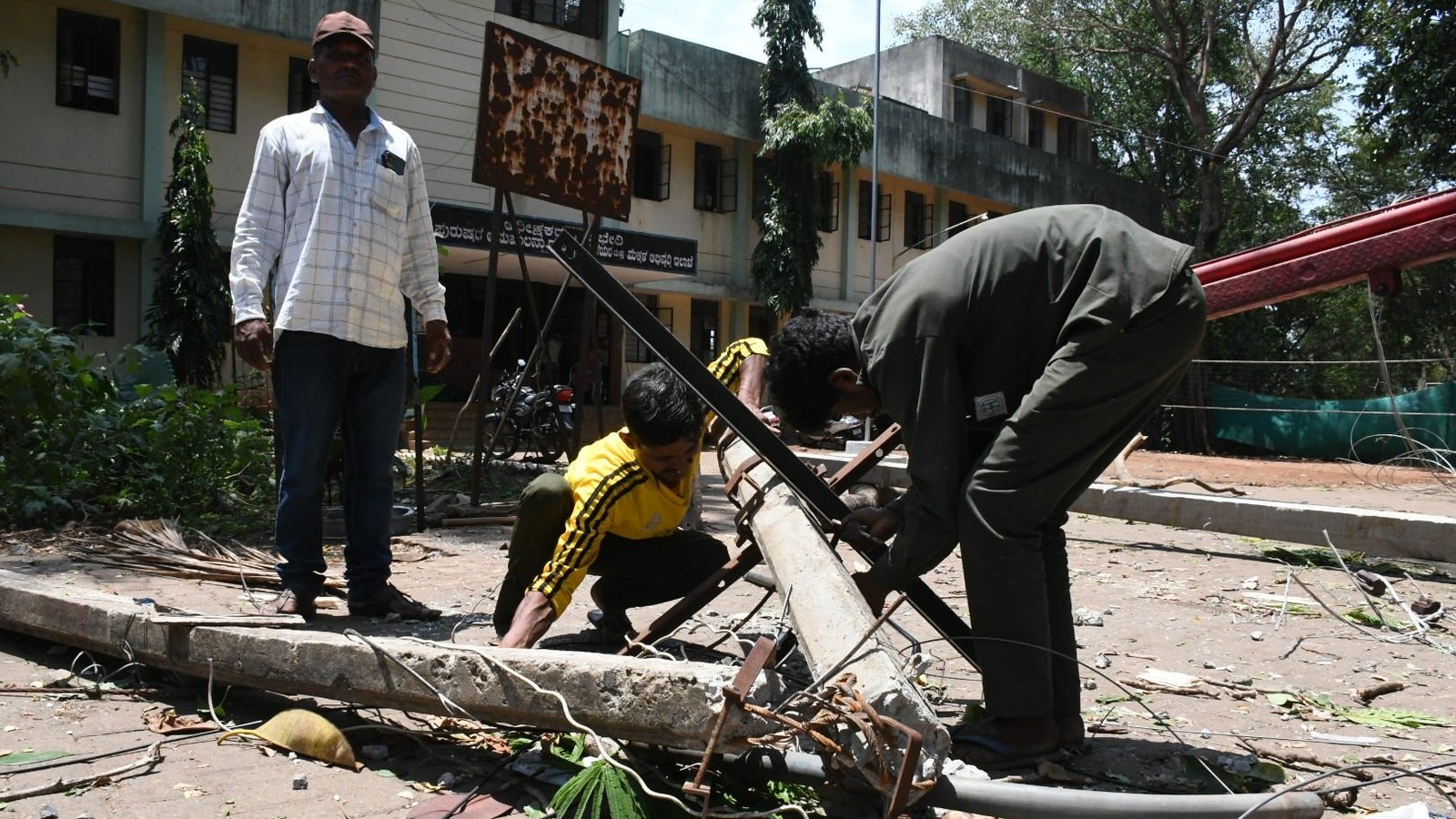
The power infrastructure emergency repairs accelerated after severe monsoon weather damaged electricity transmission towers in several affected areas. Strong winds and uprooted trees struck power lines and critical infrastructure, disrupting electricity supply to numerous consumers. State electricity boards immediately deployed emergency crews to repair damaged transmission towers, restore power lines, and minimize service interruptions. Meanwhile, engineers continue inspecting vulnerable sections of the network as authorities work to strengthen electricity infrastructure against further monsoon-related damage.
Crop Submergence Hits Early Paddy Fields
Arunachal Pradesh Police Arrest Woman, Seize 51 Grams of Suspected Heroin in Tirap District
Uprooted Trees Damage Transmission Network
The power infrastructure emergency repairs began after heavy rainfall and strong winds uprooted trees that collapsed onto transmission towers and overhead power lines. Consequently, several electricity feeders suffered damage, interrupting power supply in affected locations. Utility companies quickly dispatched technical teams to assess the extent of the damage and prioritize critical repair work.
Meanwhile, engineers inspected transmission corridors to identify additional hazards that could threaten the electricity network. They also removed fallen trees and debris to provide safe access for repair crews. Furthermore, officials continued monitoring weather conditions because fresh storms could create new challenges for restoration efforts.
Although the damage affected multiple locations, electricity boards worked continuously to restore normal services as quickly as possible.
Emergency Crews Begin Restoration Work
The power infrastructure emergency repairs involved engineers, line workers, and technical staff from state electricity boards. They repaired damaged towers, replaced broken conductors, and restored affected transmission lines. As a result, several disrupted power connections resumed after emergency maintenance.
Meanwhile, field teams inspected nearby substations and distribution lines to ensure the network remained stable. Officials also deployed additional personnel and specialized equipment to accelerate restoration work. In addition, control rooms monitored electricity supply across affected districts to respond quickly to new faults.
Authorities stated that coordinated field operations helped reduce restoration time and improve the reliability of emergency response.
Authorities Strengthen Grid Preparedness
The power infrastructure emergency repairs have encouraged electricity departments to strengthen preventive measures before further monsoon activity. Engineers continue inspecting transmission towers, trimming trees near power corridors, and reinforcing vulnerable sections of the network. At the same time, maintenance teams review infrastructure that may require additional upgrades.
Furthermore, electricity boards coordinate with disaster management agencies and local administrations to improve emergency preparedness. Officials also encourage residents to report damaged power lines and avoid approaching fallen electrical equipment. These precautions help protect public safety and support faster restoration efforts.
Regular inspections and preventive maintenance remain essential because severe weather can disrupt electricity infrastructure without warning.
Restoration Efforts Continue During Monsoon
The power infrastructure emergency repairs highlight the importance of maintaining a resilient electricity network during periods of extreme weather. Strong infrastructure, rapid response teams, and continuous monitoring help reduce service interruptions and protect essential public services.
Moreover, authorities continue investing in grid modernization, vegetation management, and emergency response planning to improve resilience. Officials believe these measures will strengthen electricity infrastructure and reduce future disruptions during the monsoon season.
Conclusion
The power infrastructure emergency repairs demonstrate the rapid response of state electricity boards after uprooted trees damaged transmission towers during severe monsoon weather. Emergency crews restored damaged infrastructure, resumed electricity supply in affected areas, and continued inspecting vulnerable sections of the network. Meanwhile, ongoing maintenance, improved preparedness, and coordinated response efforts will remain essential for ensuring reliable electricity services throughout the rainy season.
FAQs
1. What caused the damage to transmission towers?
Heavy rainfall and strong winds uprooted trees, which fell onto power infrastructure.
2. Who carried out the repair work?
State electricity boards deployed emergency engineers and technical crews to restore damaged infrastructure.
3. What are the power infrastructure emergency repairs?
The power infrastructure emergency repairs refer to the urgent restoration of damaged transmission towers and power lines following severe monsoon weather.
4. What work did the emergency teams perform?
They removed fallen trees, repaired transmission towers, replaced damaged lines, and restored electricity supply.
5. How are authorities preventing future disruptions?
Engineers are inspecting towers, trimming vegetation, and strengthening vulnerable sections of the power network.
6. What should people do if they see a fallen power line?
They should stay away from the area and immediately report the hazard to the electricity authorities.