


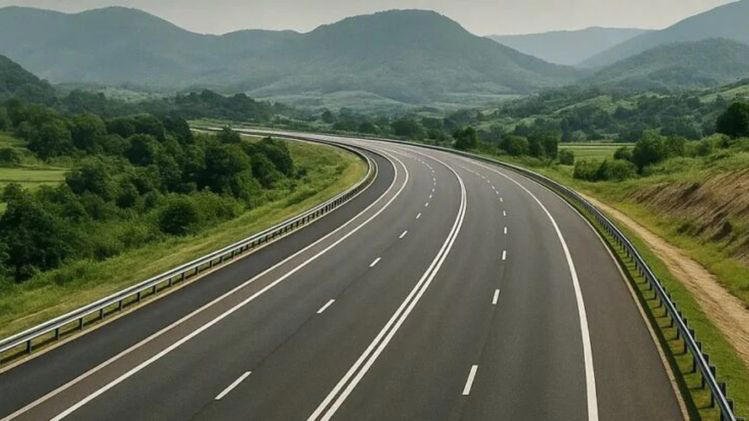
Meghalaya is set to witness a major transformation in its transportation infrastructure with the implementation of road projects worth Rs 1,592 crore funded by the Japan International Cooperation Agency (JICA). The ambitious initiative aims to improve connectivity across the state, strengthen regional transportation networks, and create new opportunities for economic growth and development.
The projects form part of Meghalaya’s broader vision to modernize its infrastructure and address long-standing connectivity challenges. With difficult terrain and scattered settlements, many parts of the state have historically faced transportation bottlenecks. Improved road infrastructure is expected to enhance mobility, reduce travel time, and improve access to essential services.
Read More: Tripura Minister Calls for Faster Implementation of Welfare Schemes for Scheduled Castes
Officials believe the JICA-supported projects will significantly strengthen road connectivity between urban centres, rural communities, and remote regions. The upgraded network will not only benefit residents but also support trade, tourism, agriculture, and investment activities throughout the state.
The initiative represents one of the largest infrastructure investments in Meghalaya’s recent history and reflects the growing emphasis on sustainable and inclusive development.
JICA Partnership Strengthens Development Efforts
The collaboration between Meghalaya and the Japan International Cooperation Agency highlights the importance of international partnerships in supporting infrastructure development. JICA has played a significant role in funding development projects across India, particularly in sectors such as transportation, water management, and urban infrastructure.
The Rs 1,592 crore road development programme aims to create durable and climate-resilient transportation infrastructure capable of meeting future demands. By introducing modern engineering practices and international standards, the project seeks to improve both the quality and longevity of road networks.
The partnership also demonstrates confidence in Meghalaya’s development potential. Improved transportation infrastructure can serve as a catalyst for economic activity and encourage greater private investment in the region.
Officials have expressed optimism that the collaboration will help accelerate the state’s development goals while improving connectivity for thousands of residents.
Improved Connectivity for Remote Areas
One of the primary objectives of the road projects is to improve connectivity in remote and rural areas. Several regions of Meghalaya face transportation challenges due to difficult geographical conditions, including hilly terrain and heavy rainfall.
Poor road connectivity often limits access to education, healthcare, markets, and government services. The new projects aim to address these challenges by upgrading existing roads and improving transportation links between villages and urban centres.
Better roads will enable residents to travel more efficiently and access essential services with greater ease. Students will benefit from improved access to educational institutions, while patients can reach healthcare facilities more quickly during emergencies.
Enhanced connectivity will also strengthen social and economic integration across different regions of the state. By linking remote communities with major economic centres, the projects can create new opportunities for growth and development.
Boosting Trade and Economic Growth
Improved road infrastructure plays a critical role in supporting economic activity. The JICA-funded projects are expected to enhance the movement of goods and services across Meghalaya, reducing transportation costs and improving market access.
Agriculture remains an important sector in the state. Farmers often face difficulties transporting produce to markets due to inadequate road conditions. Upgraded roads will help reduce transit times and improve supply chain efficiency, enabling farmers to secure better returns for their products.
Small businesses and local enterprises will also benefit from improved connectivity. Easier transportation can help entrepreneurs expand their operations, access new markets, and reduce logistical challenges.
Officials believe the road projects will contribute significantly to economic growth by encouraging trade, attracting investment, and creating a more business-friendly environment. Improved infrastructure often serves as a foundation for industrial development and employment generation.
Strengthening the Tourism Sector
Tourism represents one of Meghalaya’s most promising economic sectors. Known for its natural beauty, waterfalls, caves, and living root bridges, the state attracts visitors from across India and abroad.
However, transportation challenges sometimes limit access to tourist destinations, particularly in remote areas. Improved road infrastructure can help overcome these barriers and enhance the overall travel experience.
The JICA-funded projects are expected to improve connectivity to several tourism hubs, making travel safer, faster, and more convenient. Better roads can encourage longer stays, increase tourist spending, and support the growth of local hospitality businesses.
Tourism-related enterprises, including hotels, restaurants, transport services, and handicraft businesses, stand to gain from increased visitor traffic. The resulting economic activity can create employment opportunities and support local communities.
Officials view tourism as a key driver of economic diversification, and improved connectivity is expected to strengthen the sector’s long-term growth potential.
Focus on Sustainable Infrastructure Development
The road projects place strong emphasis on sustainability and resilience. Meghalaya experiences heavy rainfall and challenging weather conditions, which can affect transportation infrastructure.
To address these concerns, planners have incorporated modern engineering techniques designed to improve road durability and reduce maintenance requirements. Climate-resilient infrastructure can help minimize disruptions caused by extreme weather events and ensure reliable transportation throughout the year.
The use of sustainable construction practices also aligns with broader environmental objectives. Authorities aim to balance development needs with environmental conservation, ensuring that infrastructure growth supports long-term sustainability.
By investing in high-quality roads, the state hopes to create transportation networks that can serve communities effectively for decades to come.
Employment and Development Opportunities
Large-scale infrastructure projects often generate significant employment opportunities, and the JICA-funded road initiative is expected to create jobs during both construction and operational phases.
Construction activities will provide direct employment for workers, engineers, contractors, and technical professionals. Indirect opportunities will also emerge through increased demand for materials, transportation, and support services.
Improved road connectivity can further stimulate economic activity by encouraging new businesses and investments. Better infrastructure often attracts industries seeking reliable transportation networks and access to markets.
The projects are expected to contribute to broader regional development by creating conditions that support entrepreneurship, investment, and economic expansion. Local communities may benefit from increased economic activity and improved access to opportunities.
Transforming Meghalaya’s Future
The Rs 1,592 crore JICA-funded road projects mark a significant milestone in Meghalaya’s infrastructure development journey. By strengthening transportation networks, the initiative aims to improve mobility, support economic growth, and enhance the quality of life for residents across the state.
The projects promise benefits that extend beyond transportation. Improved roads can facilitate access to education, healthcare, employment, and government services while promoting trade and tourism. These advantages can help accelerate development and reduce regional disparities.
As construction progresses, the state expects to witness substantial improvements in connectivity and economic activity. The investment reflects Meghalaya’s commitment to building modern infrastructure capable of supporting future growth and development.
With strong institutional support, international cooperation, and a focus on sustainability, the JICA-funded road projects have the potential to reshape Meghalaya’s transportation landscape and contribute significantly to the state’s long-term prosperity.
Read More: El Nino May Hit India’s Monsoon, Rice and Maize Output: FAO