


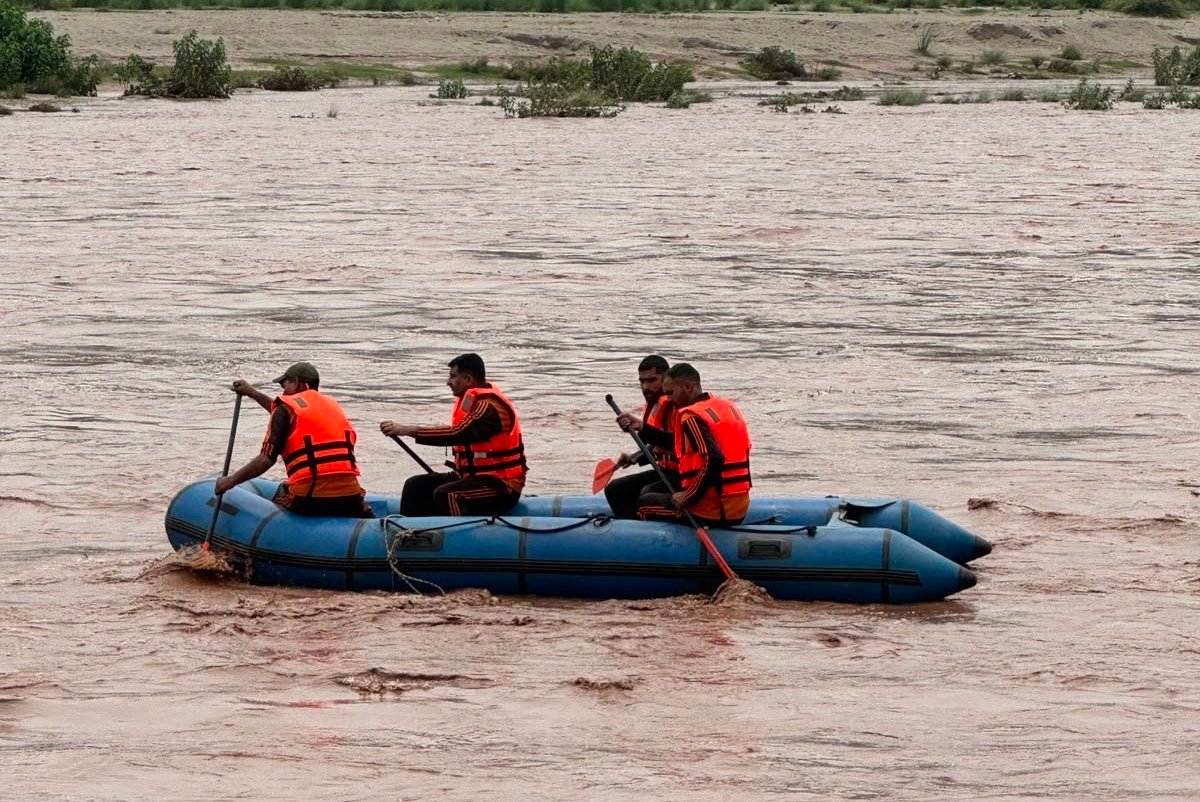
The SDRF Standby Deployment has been strengthened after the State Disaster Response Force (SDRF) positioned its squads across vulnerable river pockets. The precautionary measure aims to enhance emergency preparedness as authorities continue monitoring river conditions and weather developments during the active monsoon season.
Khowai River Levels Approach Warning Mark as Water Resources Department Intensifies Monitoring
SDRF Standby Deployment Expanded Across Vulnerable River Areas
The SDRF Standby Deployment was expanded with the placement of response squads at vulnerable river pockets across the state. According to the available information, the State Disaster Response Force stationed its personnel strategically to ensure rapid response if emergency situations arise.
The deployment reflects the government’s focus on preparedness during periods of active monsoon conditions. Moreover, positioning response teams near vulnerable locations enables authorities to react more efficiently to evolving situations.
River pockets often receive additional attention during heavy rainfall because rising water levels can influence surrounding areas. Consequently, disaster management agencies regularly monitor such locations and maintain response readiness.
Although SDRF teams have been deployed, officials have not reported any emergency operations linked to the current deployment.
SDRF Standby Deployment Enhances Disaster Preparedness
The SDRF Standby Deployment forms part of broader disaster preparedness efforts aimed at reducing response time during adverse weather conditions. Strategic positioning of emergency personnel allows authorities to mobilize rescue and relief operations quickly if required.
Furthermore, SDRF teams receive specialized training to respond to floods, water-related emergencies, search and rescue operations, and other natural disasters. Their presence in vulnerable areas strengthens the state’s emergency response capability.
Disaster management agencies regularly review weather forecasts and river conditions before deciding where to position response units. Therefore, standby deployments are an important preventive measure during the monsoon season.
The latest deployment demonstrates continued coordination between disaster management authorities and other government departments.
SDRF Standby Deployment Supports Continuous River Monitoring
The SDRF Standby Deployment complements ongoing monitoring efforts by disaster management agencies and water resource authorities. Continuous surveillance of river conditions helps officials identify changing situations and determine whether additional emergency measures are necessary.
Moreover, close coordination between SDRF personnel and local administrations improves communication during periods of heightened weather activity. Timely information also enables authorities to respond efficiently if river conditions deteriorate.
Emergency preparedness depends on both monitoring and operational readiness. Consequently, maintaining trained response teams near vulnerable river pockets strengthens the state’s overall disaster management framework.
According to the available information, the deployment remains a precautionary measure based on current assessments.
SDRF Standby Deployment Reflects Proactive Emergency Planning
The SDRF Standby Deployment highlights the importance of proactive planning in disaster risk management. Emergency response agencies frequently position personnel in advance of potential weather-related challenges rather than waiting for situations to escalate.
Furthermore, preparedness measures help protect communities by ensuring that trained teams remain available whenever assistance becomes necessary. Preventive deployments also support faster coordination with local authorities and emergency services.
Effective disaster management relies on planning, communication, and timely action. Therefore, maintaining SDRF teams at vulnerable river locations contributes to improved public safety during the monsoon.
The current deployment reflects the administration’s continued emphasis on readiness while monitoring evolving weather and river conditions.
Conclusion
The SDRF Standby Deployment has reinforced disaster preparedness after State Disaster Response Force squads were stationed across vulnerable river pockets. The precautionary measure demonstrates the importance of maintaining emergency response capabilities during the active monsoon season.
Furthermore, strategic deployment of trained response teams strengthens coordination, improves operational readiness, and supports timely action if weather conditions worsen. Continuous monitoring of rivers and rainfall also remains essential for effective disaster management.
Overall, the SDRF Standby Deployment highlights the state’s proactive approach to emergency preparedness and public safety. As authorities continue assessing weather conditions and river levels, additional official updates will guide future response measures if required.
FAQs
1. What is the SDRF Standby Deployment?
The SDRF Standby Deployment refers to the positioning of State Disaster Response Force squads across vulnerable river pockets as a precautionary preparedness measure.
2. Why were SDRF teams deployed?
According to the available information, the teams were stationed to enhance emergency preparedness in vulnerable river areas during the monsoon season.
3. Where have the SDRF squads been stationed?
The squads have been deployed across vulnerable river pockets identified by the authorities.
4. Has the SDRF launched any rescue operations?
Based on the available information, no emergency rescue operations have been reported in connection with the current deployment.
5. Why is standby deployment important during the monsoon?
Standby deployment enables trained emergency personnel to respond quickly to evolving situations, improving disaster preparedness and public safety.