


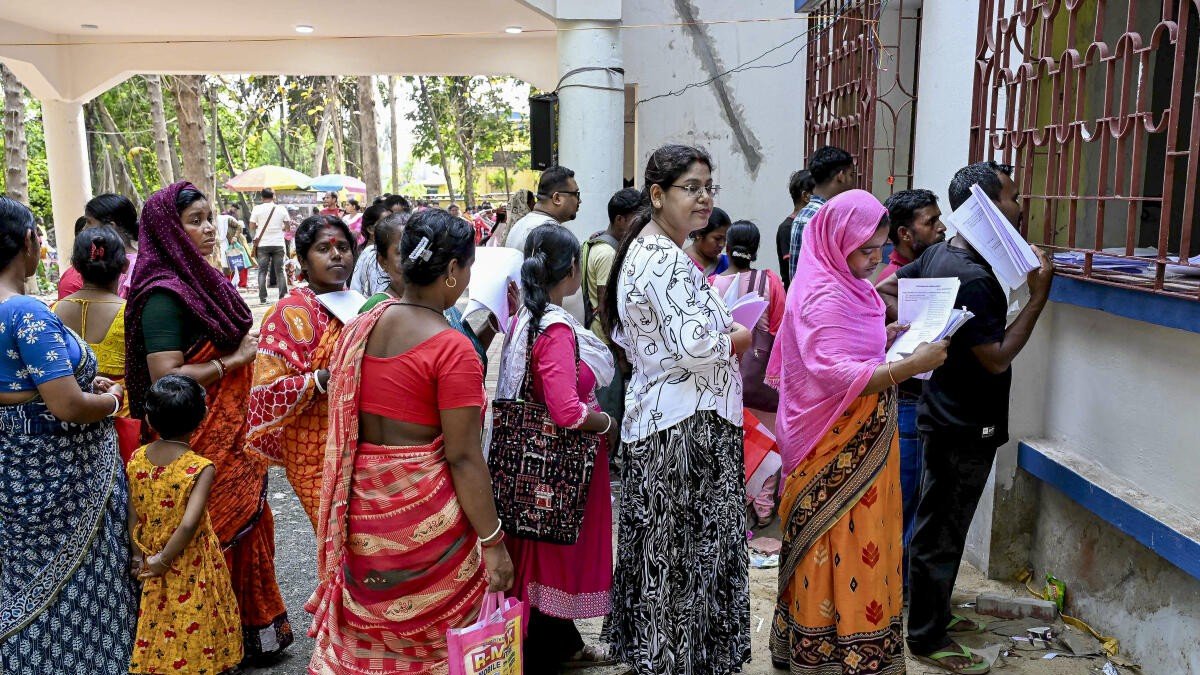
The West Bengal Assembly Elections Phase has officially begun with intense political activity, strong security arrangements, and significant voter enthusiasm. Moreover, several constituencies bordering the Northeast play a crucial role in shaping the electoral outcome. Authorities have ensured smooth polling, while political parties closely monitor every development.
Major Assam Forest Guard Recruitment Update: 83 Vacancies Announced for Security Boost
High Stakes Mark the Beginning of Polling
The first phase of polling has started across multiple constituencies, and officials have deployed strict security measures to maintain order. Additionally, election authorities have arranged extensive monitoring systems to prevent disruptions. Voters have already begun arriving early at polling stations, which indicates strong participation.
Furthermore, political parties have intensified their ground-level strategies to secure an early advantage. Candidates have focused on local issues, while party workers continue to mobilize supporters. As a result, this phase has gained national attention due to its strategic importance.
Exciting Tripura U15 Girls Cricket Team: Rising Cup Squad Announced
Northeast Border Constituencies Gain Importance
Several constituencies near the Northeast border have emerged as key battlegrounds in this election. These areas often influence broader political trends due to their unique demographic composition. Therefore, parties have prioritized campaigning in these regions.
In addition, leaders have addressed issues such as connectivity, border security, and economic development. Voters in these constituencies have shown increased awareness, which could significantly impact the overall results. Consequently, analysts expect close contests in many of these seats.
Tight Security Ensures Smooth Voting Process
Authorities have implemented multi-layered security arrangements to ensure peaceful polling. Security personnel have taken positions at sensitive booths, while surveillance systems monitor activities in real time. Moreover, officials have coordinated with local administration to handle any emergencies quickly.
At the same time, polling staff have followed strict guidelines to maintain transparency. They have managed voter queues efficiently and ensured that all protocols remain in place. Therefore, the election process continues without major disruptions so far.
Voter Enthusiasm Reflects Democratic Strength
Voters have shown strong enthusiasm from the early hours of the morning. Many citizens have expressed their determination to participate in the democratic process. As a result, polling stations have witnessed steady footfall throughout the day.
Moreover, first-time voters have played a crucial role in driving engagement. They have actively participated and shared their experiences, which encourages others to vote. Consequently, this turnout reflects growing political awareness among the public.
Political Parties Intensify Competition
Political parties have engaged in aggressive campaigning ahead of the polling day. Leaders have conducted rallies, roadshows, and public meetings to influence voters. Additionally, parties have used digital platforms to expand their reach.
Meanwhile, candidates have focused on grassroots issues such as employment, infrastructure, and social welfare. They have interacted directly with voters to build trust. Therefore, this intense competition has made the election more dynamic and unpredictable.
Election Commission Monitors Every Development
The Election Commission has maintained strict oversight throughout the polling process. Officials have deployed observers in critical areas to ensure compliance with rules. Furthermore, they have taken immediate action against any violations.
In addition, the commission has encouraged voters to report irregularities. This proactive approach has strengthened transparency and accountability. As a result, the election process continues under close supervision.
Challenges and Key Concerns
Despite strong arrangements, authorities remain cautious about potential challenges. Weather conditions, logistical issues, and local tensions can affect polling. However, officials have prepared contingency plans to address these concerns.
Moreover, misinformation on digital platforms remains a challenge. Authorities have urged citizens to rely on verified sources. Consequently, responsible communication plays a vital role in maintaining a fair election environment.
What Lies Ahead in the Election Process
The first phase sets the tone for the remaining stages of the election. Political parties will analyze voter turnout and trends to adjust their strategies. Additionally, candidates will strengthen their outreach efforts based on initial feedback.
As the election progresses, the focus will shift to upcoming phases. Each stage will contribute to the final outcome, which makes every vote crucial. Therefore, this phase holds significant importance in shaping the political landscape.
FAQs
1. What is the West Bengal Assembly Elections Phase?
It refers to the first stage of polling in the West Bengal Assembly elections, where selected constituencies vote.
2. Why are Northeast border constituencies important?
These constituencies influence regional dynamics and often play a key role in determining overall results.
3. How is security managed during polling?
Authorities deploy multiple layers of security, including personnel, surveillance systems, and observers.
4. What issues dominate this election phase?
Key issues include development, employment, infrastructure, and regional concerns.
5. Why is voter turnout important?
High turnout reflects strong democratic participation and can influence election outcomes significantly.