


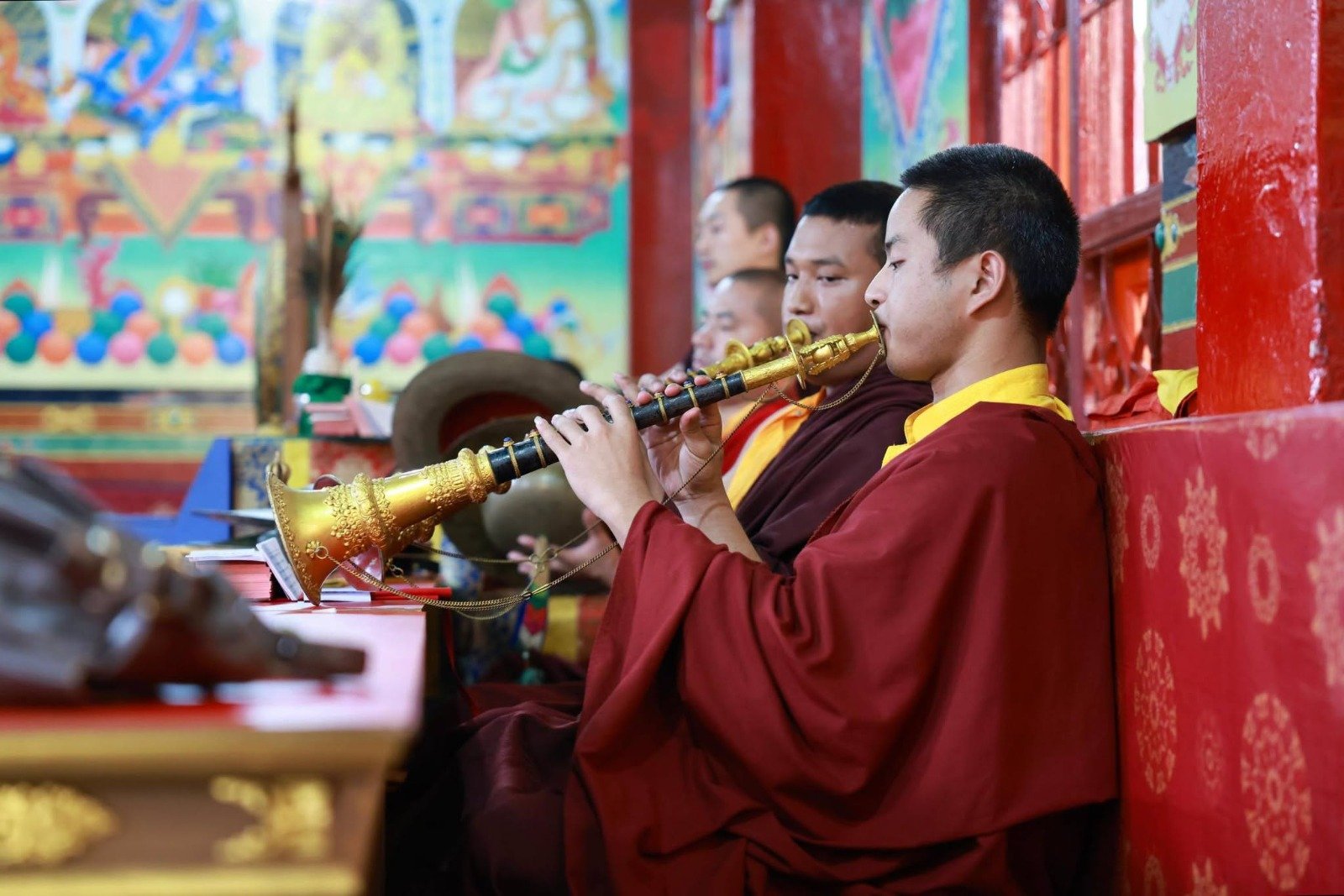
The Sikkim Buddhist Duechen Organisation (SBDO) and local Buddhist associations organised special prayers for victims of the devastating Nepal floods at Dotaphu Deorali Chorten Monastery on Wednesday. Monks, SBDO representatives and members of several Buddhist organisations joined the religious ceremonies. The prayers sought peace and liberation for those who lost their lives in the disaster. The organisers also performed traditional Buddhist rituals for protection from future natural calamities. The programme included 5,000 recitations and a ceremony featuring 1,000 butter lamps.
Read More: Meghalaya Expands Healthcare Infrastructure
Key Facts
- Location: Dotaphu Deorali Chorten Monastery, Sikkim
- Organiser: Sikkim Buddhist Duechen Organisation (SBDO)
- Purpose: Prayers for Nepal flood victims
- SBDO President: Pasong Namgyal
- Special ritual: ‘Nansit Shiwa Karpo’ or ‘Jinsek’ fire offering
- Zangchoed Monlam: 5,000 chants
- Tongchey ceremony: 1,000 butter lamps
- Participants: Monks and representatives of several Buddhist organisations
- Occasion: Wednesday
Sikkim Holds Prayers for Nepal Flood Victims
The SBDO organised the prayer programme in collaboration with local Buddhist associations. Monks led the religious rituals at the Dotaphu Deorali Chorten Monastery.
Representatives from various Buddhist groups attended the event. They offered prayers for people who died in the devastating floods in Nepal and sought peace for their souls.
The gathering also reflected solidarity between Buddhist communities in Sikkim and neighbouring Nepal during a difficult period.
Fire Offering Performed for Protection
SBDO President Pasong Namgyal said the organisation conducted a special ‘Nansit Shiwa Karpo’ or ‘Jinsek’ fire offering.
According to Namgyal, the ritual followed the advice of His Holiness Lachung Tulku Rinpoche. The ceremony sought to help avert natural calamities and protect sentient beings from future disasters.
The traditional fire offering formed an important part of the religious programme.
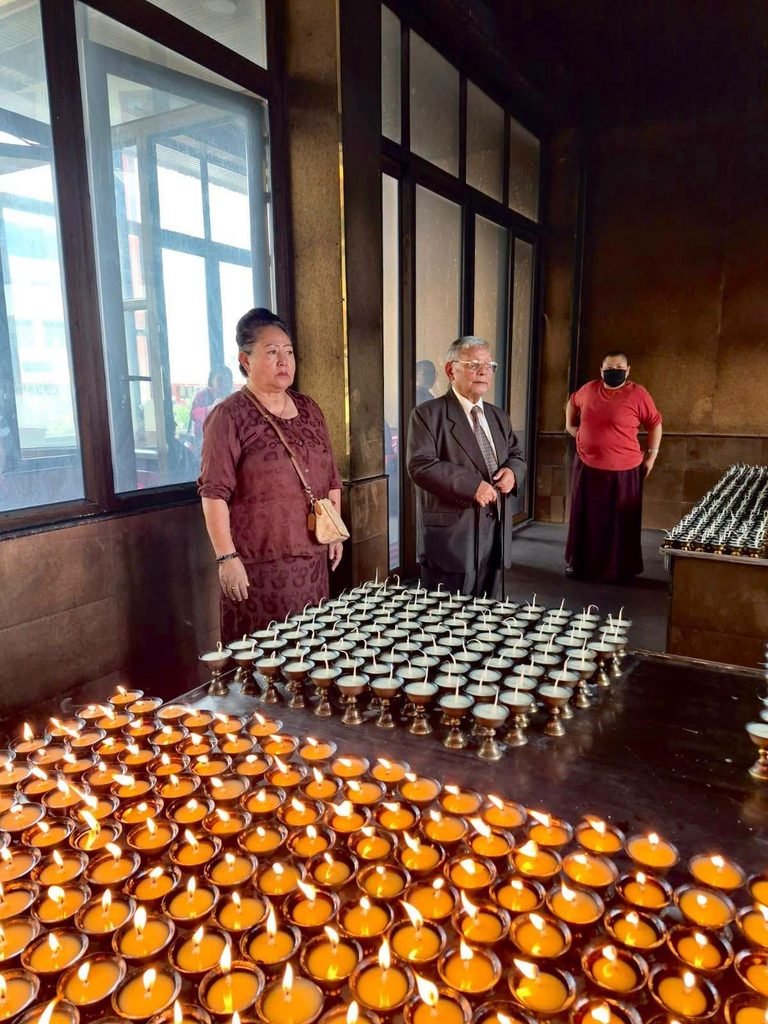
5,000 Buddhist Chants Recited
The organisers also concluded the ‘Zangchoed Monlam’ recitation, which began on the 25th day of the lunar calendar.
The recitation concluded with a total of 5,000 chants. Participants dedicated the prayers to those who lost their lives in the Nepal floods.
Furthermore, the organisers conducted a ‘Tongchey’ ceremony with 1,000 butter lamps. The ceremony focused on the liberation of the souls of those who perished in the disaster.
Buddhist Organisations Join Ceremony
Several Buddhist organisations participated in the prayer programme alongside the SBDO.
These included the Denjong Tashi Yargay Society, Live to Love Sikkim Chapter, Machig Rimed Choe Chog, as well as Tamang, Sherpa and Gurung Buddhist associations.
Their participation highlighted the collective response of Sikkim’s Buddhist community to the tragedy in neighbouring Nepal.
Religious Solidarity Across the Region
Sikkim shares strong cultural and religious links with neighbouring Himalayan regions, including Nepal.
Therefore, the prayer programme carried significance beyond the monastery. It offered a platform for people in Sikkim to express sympathy and solidarity with families affected by the floods.
At the same time, the traditional rituals reflected the Buddhist community’s spiritual response to a major natural disaster.
Q&A: Sikkim Prayers for Nepal Flood Victims
What happened in Sikkim?
The SBDO and local Buddhist organisations held special prayers for victims of the Nepal floods.
Where were the prayers held?
The ceremony took place at Dotaphu Deorali Chorten Monastery in Sikkim.
Who organised the programme?
The Sikkim Buddhist Duechen Organisation organised the prayers with local Buddhist associations.
How many chants were recited?
The Zangchoed Monlam concluded with 5,000 chants.
How many butter lamps were used?
The Tongchey ceremony featured 1,000 butter lamps.
What is the Jinsek ritual?
Jinsek, also known as ‘Nansit Shiwa Karpo’, is a traditional Buddhist fire offering performed in this context for protection from natural calamities and the welfare of sentient beings.
Sikkim’s close cultural and Buddhist connections with Nepal make such community prayers particularly significant across the Himalayan region and Northeast India.
Also Read: Dimapur Job Fraud: Man Arrested Over ₹1.5 Lakh