


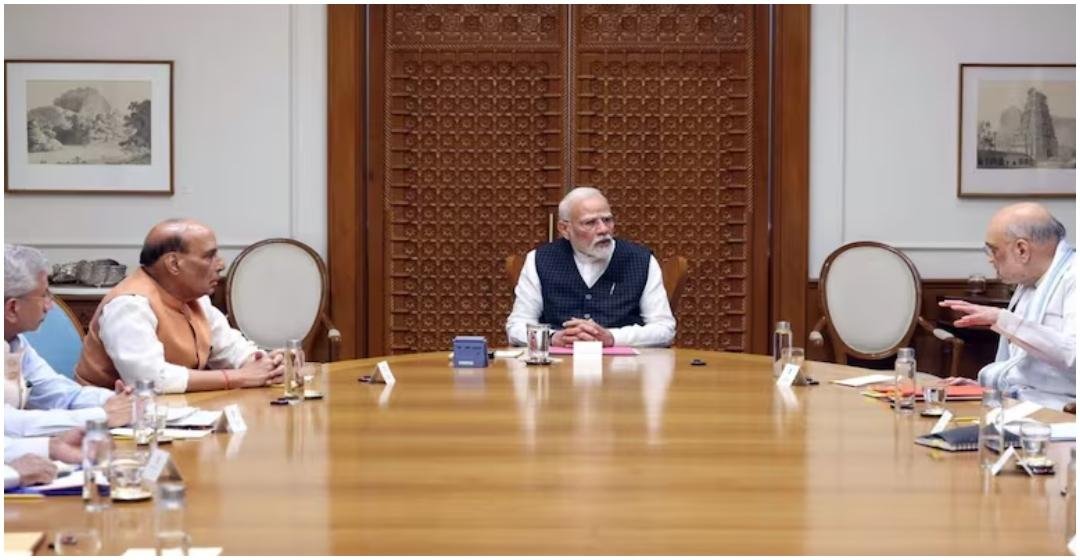
Sikkim could see its Lok Sabha representation double from one seat to two under the Union Cabinet’s proposed 50% expansion of parliamentary constituencies. The revised delimitation framework also projects more seats for other Northeastern states, including Assam, Arunachal Pradesh, Manipur, Meghalaya and Tripura.
Goods Train Derailment Disrupts Assam Rail Services
Sikkim Lok Sabha Seats May Increase from One to Two
Sikkim may gain a second seat in the Lok Sabha if the Centre’s revised delimitation proposal becomes law. The Union Cabinet has cleared a plan to increase parliamentary representation by 50% across states and Union Territories.
Under the proposed formula, Sikkim’s representation would rise from one Lok Sabha seat to two. This change could strengthen the state’s presence in the country’s Lower House and expand its electoral representation.
However, the projected increase is not yet final. Parliament must consider and approve the proposed legislation before the government can implement the changes. The final constituency arrangements will also depend on the delimitation process.
What the Proposed Delimitation Plan Means for Northeast India
The proposed expansion could bring changes across several Northeastern states. Assam, which currently has 14 Lok Sabha seats, could receive 21 seats under the revised framework.
Meanwhile, Arunachal Pradesh, Manipur, Meghalaya and Tripura could each see their representation increase from two seats to three.
Sikkim could move from one seat to two. Similar indicative calculations also suggest that Mizoram and Nagaland may receive two seats each, compared with their current one seat apiece.
The projected changes are based on a uniform 50% increase in the existing allocation. They remain indicative figures rather than a final, officially notified seat distribution.
Why Has the Centre Proposed a 50% Increase in Lok Sabha Seats?
The revised proposal aims to expand representation while addressing concerns about the balance of political influence among states.
Population differences have made delimitation a sensitive national issue. States with faster population growth could gain a larger share of parliamentary seats if representation were redistributed solely according to population figures.
The revised framework seeks to avoid changing the relative share of Lok Sabha seats held by individual states. Instead, it proposes increasing each state’s existing allocation by 50%.
According to reports, the government also intends to use the 2011 Census for redrawing constituency boundaries while preserving the existing relative distribution of seats among states until 2051.
Proposed Lok Sabha Seat Changes in Northeastern States
The projected changes would affect the parliamentary representation of several states in the Northeast.
| State | Current seats | Projected seats |
|---|---|---|
| Sikkim | 1 | 2 |
| Assam | 14 | 21 |
| Arunachal Pradesh | 2 | 3 |
| Manipur | 2 | 3 |
| Meghalaya | 2 | 3 |
| Tripura | 2 | 3 |
| Mizoram | 1 | 2 |
| Nagaland | 1 | 2 |
These figures reflect the proposed 50% expansion and indicative rounding. They should not be treated as final allocations until the legislation and delimitation process are completed.
What Is Delimitation and Why Does It Matter?
Delimitation refers to the process of determining or redrawing the boundaries of electoral constituencies. It also involves adjusting the allocation of seats based on the applicable constitutional and legal framework.
The process plays an important role in ensuring electoral representation. It determines the constituencies from which voters elect their representatives to Parliament and state legislative assemblies.
A change in the number of Lok Sabha seats can also affect constituency boundaries, election administration and political representation. Therefore, the proposed expansion could have a significant impact on India’s electoral structure.
For smaller states such as Sikkim, an additional parliamentary seat could create another constituency and provide voters with an additional representative in the Lok Sabha.
Revised Proposal Linked to Women’s Reservation
The proposed expansion is also connected to the implementation of women’s reservation in Parliament and state legislative assemblies.
The Centre’s revised constitutional amendment proposal seeks to operationalise the 33% reservation for women through a delimitation exercise. The proposed framework would increase the number of seats before implementing the reservation arrangements.
The government has also proposed raising the maximum strength of the Lok Sabha to 850 members. The proposed distribution includes up to 815 members from states and 35 from Union Territories.
The revised plan follows concerns raised over the earlier delimitation proposal, particularly regarding the possible impact on the representation of states with different population growth rates.
Parliament Must Still Approve the Proposed Changes
Despite the Cabinet’s approval, the proposed expansion has not yet become law. The revised constitutional amendment and related delimitation legislation must go through the parliamentary process.
The government is expected to take up the proposals during the special sitting of Parliament scheduled to begin on November 30, 2026. Their passage and subsequent implementation will determine when the new seat allocations can take effect.
Until then, Sikkim will continue to have its existing single Lok Sabha constituency. The projected increase to two seats remains conditional on the approval and implementation of the revised framework.
Conclusion
The proposed 50% expansion of Lok Sabha seats could bring a major change to parliamentary representation in Northeast India. Sikkim may gain a second seat, while Assam could rise to 21 seats and Arunachal Pradesh, Manipur, Meghalaya and Tripura could each receive three.
The proposal aims to expand representation while maintaining the relative share of seats held by different states. However, the projected changes will become effective only after Parliament approves the required legislation and the delimitation process moves forward.
Frequently Asked Questions (FAQs)
1. How many Lok Sabha seats does Sikkim currently have?
Sikkim currently has one Lok Sabha seat.
2. How many Lok Sabha seats could Sikkim get?
Under the proposed 50% expansion, Sikkim could receive two Lok Sabha seats.
3. How many Lok Sabha seats could Assam have?
Assam’s representation could increase from 14 to 21 seats under the proposed framework.
4. Which Northeastern states could have three Lok Sabha seats?
Arunachal Pradesh, Manipur, Meghalaya and Tripura could each have three seats under the projected allocation.
5. Will Mizoram and Nagaland also gain Lok Sabha seats?
Indicative calculations suggest that Mizoram and Nagaland could each increase from one seat to two.
6. Has the proposed Lok Sabha seat expansion become law?
No. The Union Cabinet has cleared the revised proposal, but Parliament must still consider and approve the required legislation.
7. Why is the government proposing a 50% increase in Lok Sabha seats?
The proposal aims to expand parliamentary representation and facilitate the implementation of women’s reservation while maintaining the relative share of seats among states.