


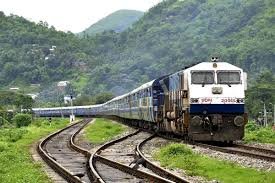
Sikkim has moved a step closer to joining India’s national railway network with the latest Sikkim rail link milestone. The Sevoke-Rangpo rail project has achieved a crucial breakthrough as trial runs successfully reached the final tunnels. Notably, this progress highlights the rapid advancement of one of the most challenging railway projects in the country. Therefore, the milestone marks a historic moment for connectivity and regional development.
Vibrant Naga Kuki Tribal Festivals Celebrate Spring Harvest Traditions
Progress in Sevoke-Rangpo Rail Project
The Sevoke-Rangpo railway line has recorded significant progress in recent months. Engineers have completed most of the tunneling work, and trial runs have now reached the final sections. Moreover, the project has overcome complex geological challenges and difficult terrain.
This Sikkim rail link milestone reflects strong execution and advanced engineering. As a result, authorities have gained confidence in meeting the project timeline.
Northeast Gas Grid Completion: Massive 95% Milestone Boosts Energy Access
Trial Runs Reach Final Tunnels
Trial runs have successfully entered the last set of tunnels, marking a critical phase of the project. These tunnels form a major portion of the railway line due to the mountainous landscape. Furthermore, successful testing ensures safety and operational readiness.
Through this Sikkim rail link milestone, engineers have validated key systems and infrastructure. Consequently, the project moves closer to full-scale operations.
Boost to Connectivity and Accessibility
The railway link will transform connectivity for Sikkim by providing direct access to the national rail network. Travelers and businesses will benefit from faster and more reliable transportation. Additionally, improved accessibility will reduce dependence on road travel.
This Sikkim rail link milestone will significantly enhance mobility in the region. Moreover, it will strengthen links between Sikkim and major economic centers across India.
Economic and Tourism Impact
The new rail connection will create substantial economic opportunities. Businesses will gain easier access to markets, while transportation costs will decrease. Furthermore, the tourism sector will experience growth as travel becomes more convenient.
This Sikkim rail link milestone supports long-term economic development. As a result, the project will attract investment and boost regional income.
Engineering Challenges and Achievements
The Sevoke-Rangpo project involves complex engineering due to steep terrain and fragile geology. Engineers have constructed multiple tunnels and bridges to navigate these challenges. Additionally, advanced technology has ensured safety and durability.
This Sikkim rail link milestone showcases engineering excellence. Moreover, it demonstrates the ability to execute large-scale infrastructure projects in difficult conditions.
Strategic Importance
The railway link holds strategic importance for both development and connectivity. It will improve access to remote areas and strengthen infrastructure in the region. Furthermore, better connectivity will support emergency response and logistics.
This Sikkim rail link milestone aligns with broader national goals of integrating remote regions. Consequently, it plays a vital role in strengthening the Northeast’s connectivity.
Conclusion
The rail link milestone marks a historic step toward integrating the state with India’s national railway network. With trial runs reaching the final tunnels, the Sevoke-Rangpo project is nearing completion. Although challenges remain, the progress achieved reflects strong commitment and innovation. Ultimately, this Sikkim rail link milestone promises to transform connectivity, economy, and development in Sikkim.
FAQs
1. What is the Sikkim rail link milestone?
It refers to the successful progress of the Sevoke-Rangpo rail project, with trial runs reaching the final tunnels.
2. Why is this project important?
It will connect Sikkim to the national railway network, improving transportation and accessibility.
3. What challenges did the project face?
The project faced difficult terrain, complex geology, and extensive tunneling requirements.
4. How will it benefit the economy?
It will reduce transport costs, boost tourism, and attract investment to the region.
5. When will the railway become operational?
Authorities expect operations to begin after final testing and safety clearances are completed.