


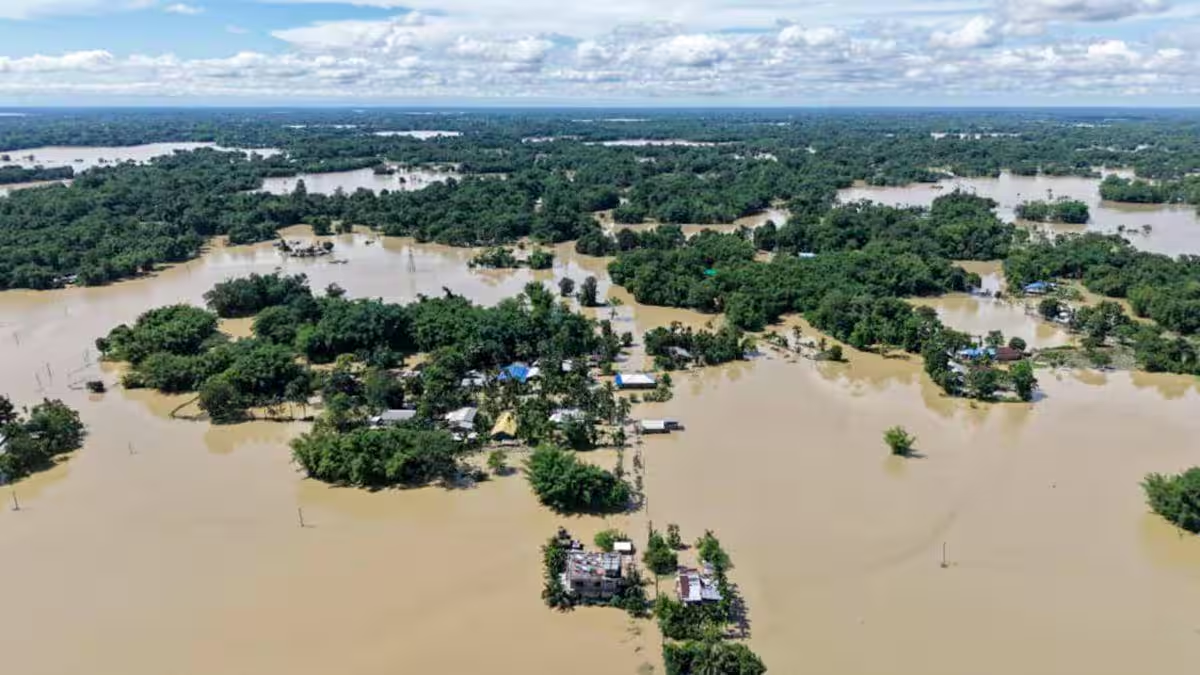
Assam’s flood crisis has intensified scrutiny of relief operations in Sivasagar after the state’s flood-related death toll reached 95, according to official updates. The focus has shifted toward the condition of relief camps, availability of essential supplies, medical support, sanitation, and assistance for displaced families.
Floodwaters have affected communities across Assam, forcing residents to leave vulnerable areas and seek shelter in safer locations. Moreover, relief camps have become critical centres for food distribution, healthcare, drinking water, and emergency support.
However, the reported toll and camp conditions can change as authorities continue assessments. Relief agencies therefore face the immediate task of supporting displaced residents while preparing for further rainfall and possible changes in flood conditions.
Tanishka Chugera: Beyond Goodbye, A Daughter’s Journey Through Love, Loss and Healing
Sivasagar Relief Camps Face Closer Scrutiny
Relief camps in Sivasagar have come under greater attention as flood-affected families seek temporary shelter.
Officials and relief workers must maintain adequate supplies of food, drinking water, medicines, sanitation materials, and other essentials. Furthermore, authorities need to monitor the number of people arriving at each camp as floodwaters force additional evacuations.
The pressure can increase quickly when rainfall continues.
However, conditions can differ between individual camps, making local assessments important.
Assam Flood Toll Reaches 95
The reported flood-related death toll of 95 has underscored the severity of Assam’s situation.
Flooding can create multiple risks, including drowning, landslides, electrocution, disease outbreaks, and accidents during evacuation. Moreover, prolonged inundation can damage homes, roads, agricultural fields, and public infrastructure.
The rising toll has increased pressure on authorities to strengthen emergency response.
However, official assessments can change as agencies verify deaths and assess affected areas.
Displaced Families Depend on Relief Camps
Thousands of flood-affected residents may depend on temporary shelters when their homes become unsafe.
Relief camps provide a controlled location where authorities can distribute essential supplies and coordinate assistance. Additionally, camps can help officials identify vulnerable residents who require medical care or other specialised support.
This makes effective camp management particularly important.
However, displaced families may continue to face uncertainty while floodwaters remain high.
Food and Drinking Water Remain Priorities
Adequate food and safe drinking water are among the most immediate requirements in flood shelters.
Authorities need to maintain regular distribution while accounting for changing camp populations. Furthermore, clean water can reduce the risk of waterborne illnesses after prolonged flooding.
Supply chains can become difficult when roads remain inundated.
However, local authorities can coordinate with relief agencies and community groups to address shortages.
Healthcare Services Need Attention
Flood conditions can increase pressure on local healthcare systems.
Relief camps may need access to basic medical services, medicines, emergency treatment, and referral facilities. Moreover, authorities need to monitor vulnerable residents, including children, older people, and people with existing medical needs.
Timely healthcare can prevent minor conditions from becoming serious.
However, medical requirements can vary significantly between camps.
Sanitation Becomes a Major Concern
Flooding can disrupt sanitation systems and contaminate water sources.
Relief camps therefore require functioning toilets, waste-disposal arrangements, clean water, and regular hygiene measures. Additionally, authorities need to prevent stagnant water from creating conditions that encourage disease transmission.
Maintaining sanitation becomes increasingly difficult when camps remain crowded.
However, regular inspection can help officials identify problems before they become larger public-health concerns.
Children and Vulnerable Residents Need Protection
Flood emergencies can disproportionately affect vulnerable residents.
Children, older people, pregnant women, and people with disabilities may require additional assistance inside relief camps. Moreover, authorities need to ensure that families can access food, healthcare, sanitation, and safe accommodation.
Identifying vulnerable groups can improve relief delivery.
However, support requirements can change as families remain displaced for longer periods.
Roads and Connectivity Affect Relief
Floodwaters can disrupt transportation across affected districts.
Damaged or submerged roads can delay food deliveries, medical supplies, rescue teams, and other assistance. Furthermore, isolated communities may depend on boats or alternative transport routes.
Sivasagar’s relief operations therefore require coordination between local authorities and emergency agencies.
However, transport conditions can change rapidly as water levels rise or recede.
Agriculture Faces Heavy Losses
Flooding can also affect farmers and rural livelihoods.
Standing crops may remain submerged for extended periods, while livestock can face shortages of feed and safe shelter. Additionally, damage to agricultural land can create financial pressure for families after floodwaters recede.
Relief efforts may therefore need to extend beyond immediate shelter.
However, the full scale of agricultural losses usually becomes clearer after authorities conduct detailed assessments.
Schools and Public Services Disrupted
Flooding can interfere with education and other essential public services.
Schools may temporarily close when buildings become inaccessible or authorities use facilities as relief centres. Moreover, damage to roads and communication networks can make it difficult for residents to access government services.
Recovery will require restoring these services after water levels decline.
However, authorities must prioritise safety while flood conditions remain unstable.
Community Groups Support Relief Efforts
Local communities can play an important role during flood emergencies.
Volunteers and community organisations can help distribute supplies, assist displaced families, and communicate urgent needs to officials. Furthermore, local knowledge can help relief teams identify vulnerable households and isolated locations.
Community participation can strengthen emergency response.
However, relief distribution should remain coordinated to avoid duplication and ensure equitable assistance.
Weather Conditions Could Influence Recovery
Continued rainfall can complicate relief operations.
Additional precipitation can increase water levels, prolong inundation, and make transportation more difficult. Moreover, authorities may need to adjust evacuation and shelter plans as local conditions change.
Weather monitoring therefore remains important.
However, residents should follow official warnings and evacuation instructions rather than relying on unverified forecasts.
Authorities Face Relief Management Challenge
The flood toll has increased pressure on Assam’s disaster-management system.
Officials must balance rescue operations, relief distribution, medical support, infrastructure management, and public communication. Additionally, they need to maintain accurate information about displaced populations and changing flood conditions.
Effective coordination can reduce gaps in emergency assistance.
However, large-scale disasters can place substantial pressure on local resources.
Compensation and Recovery Will Follow
Flood-affected families may require assistance even after they leave relief camps.
Authorities may assess damage to homes, agricultural land, livestock, and other property before providing eligible compensation or rehabilitation support. Furthermore, recovery efforts can take considerably longer than the emergency response.
Long-term planning will therefore remain important.
However, compensation and rehabilitation depend on government assessments and applicable relief guidelines.
Conclusion
The Sivasagar relief camps have come under closer scrutiny as Assam’s flood crisis continues and the reported death toll reaches 95. The situation highlights the urgent need to maintain adequate shelter, food, drinking water, healthcare, sanitation, and transportation for displaced residents.
Moreover, authorities must continue monitoring camp populations and identify vulnerable families requiring additional assistance. At the same time, changing rainfall and flood conditions could create fresh challenges for rescue and relief operations.
Overall, the flood response in Sivasagar will depend on effective coordination between government agencies, relief workers, healthcare teams, and local communities. Continued monitoring and transparent communication will remain essential as Assam moves from immediate emergency response toward recovery.
FAQs
1. Why are Sivasagar relief camps under scrutiny?
Authorities and relief agencies are facing increased attention on shelter conditions, food supplies, healthcare, sanitation, and support for flood-displaced families.
2. What is Assam’s reported flood death toll?
The reported flood-related death toll has reached 95, although official assessments can change as authorities verify casualties.
3. What do relief camps provide?
Relief camps can provide temporary shelter, food, drinking water, medical support, sanitation facilities, and assistance for displaced residents.
4. Why does flooding affect healthcare?
Floods can disrupt access to medical facilities while increasing risks associated with contaminated water, injuries, and other emergency health needs.
5. What should residents do during continued flooding?
Residents should follow official evacuation and safety instructions, monitor verified government updates, and avoid entering dangerous floodwaters.