


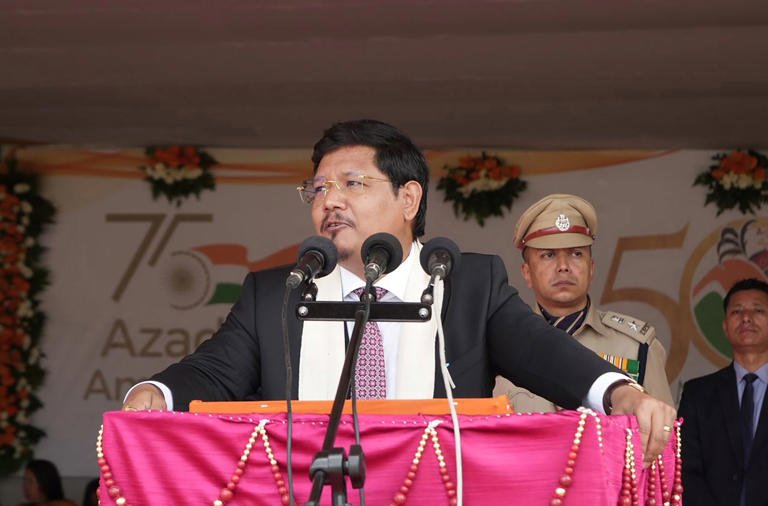
Meghalaya Chief Minister Conrad K Sangma on Wednesday said the exclusion of tribal communities from the proposed Uniform Civil Code (UCC) frameworks in Assam and Uttarakhand offers “slight comfort” to indigenous people across the Northeast.
Speaking during an interaction with reporters, Sangma said tribal communities remain concerned about the possible impact of the Uniform Civil Code on their traditional customs, cultural identity, and constitutional protections. However, he noted that exemptions provided to tribal groups in certain states indicate recognition of the unique social and customary systems followed by indigenous communities.
The Chief Minister said tribal societies in northeastern states possess distinct traditions and governance structures that have existed for generations. Therefore, he stressed that any policy affecting personal laws and social customs must respect the constitutional safeguards granted to tribal populations.
Read More: Akhilesh Yadav Accuses UP Govt Of Caste-Based Fake Encounters
Meghalaya CM Raises Concerns Over Tribal Rights
Sangma stated that tribal communities in Meghalaya and other northeastern states enjoy special protections under the Constitution, particularly through provisions such as the Sixth Schedule. He said these safeguards protect traditional institutions, customary laws, and local self-governance systems.
According to him, many tribal groups fear that a nationwide Uniform Civil Code could interfere with long-standing customary practices related to marriage, inheritance, land ownership, and family matters.
The Chief Minister clarified that the concerns do not arise from opposition to reform or national integration. Instead, tribal communities want assurance that their unique identities and rights will remain protected under any future legal framework.
He added that the exemption of tribal groups from UCC provisions in Assam and Uttarakhand shows that policymakers recognise the sensitivity of the issue.
Constitutional Safeguards Must Remain Intact
Sangma stressed that constitutional protections for indigenous communities should remain untouched under all circumstances. He said the framers of the Constitution introduced special provisions for tribal areas after recognising their distinct social and cultural systems.
The Meghalaya Chief Minister noted that northeastern states differ significantly from many other parts of the country in terms of customary governance and community-based traditions. Therefore, he said policymakers should adopt a sensitive and consultative approach while discussing issues related to personal laws.
Sangma also highlighted the importance of engaging with tribal bodies, civil society groups, and community leaders before making decisions on such matters. According to him, dialogue and consultation remain essential in maintaining trust and social harmony.
He further said the Northeast has always valued cultural diversity and coexistence. Any legal framework introduced at the national level should respect this diversity rather than weaken it.
Debate Over Uniform Civil Code Continues
The Uniform Civil Code has remained a major topic of political and legal debate across India in recent years. Supporters argue that a common civil code would ensure equality and simplify personal laws related to marriage, divorce, inheritance, and adoption.
However, several tribal organisations and minority groups have expressed concerns over its possible impact on traditional customs and community rights.
In Uttarakhand, the state government recently moved forward with its UCC framework while exempting Scheduled Tribes from its provisions. Assam Chief Minister Himanta Biswa Sarma has also previously indicated that tribal communities would remain outside the scope of any such implementation in the state.
Political observers believe these exemptions reflect the sensitivity surrounding tribal identity and constitutional autonomy in northeastern and hill states.
Northeast Leaders Continue Seeking Clarity
Sangma said leaders from northeastern states would continue seeking clarity from the Centre regarding the future scope and implementation of the Uniform Civil Code. He stressed that preserving tribal identity remains a priority for governments in the region.
The Meghalaya Chief Minister also pointed out that many tribal societies follow matrilineal systems and unique inheritance traditions. Therefore, any changes affecting customary laws could create social complications and cultural concerns.
He urged policymakers to ensure that indigenous voices remain central to discussions on legal reforms. According to him, policies affecting tribal communities should emerge through consensus rather than unilateral decisions.
Sangma also said the people of the Northeast have consistently supported national unity while preserving their cultural uniqueness. He added that constitutional protections help maintain this balance between identity and integration.
Tribal Organisations Welcome Remarks
Several tribal organisations and social groups in Meghalaya welcomed Sangma’s remarks regarding the exclusion of tribal communities from UCC frameworks. Community leaders said the statement reflects widespread concerns among indigenous populations in the Northeast.
Some organisations also reiterated demands for stronger constitutional safeguards and greater consultation before introducing legal reforms affecting tribal customs.
Political analysts noted that issues related to identity, land rights, and customary laws often carry significant emotional and political importance in northeastern states.
The debate around the Uniform Civil Code has therefore generated strong reactions across the region, especially among tribal communities that fear erosion of traditional governance systems.
Meghalaya Government to Protect Indigenous Interests
Sangma assured that the Meghalaya government would continue protecting the interests of indigenous communities and uphold constitutional safeguards available to tribal populations.
He said the state administration remains committed to preserving customary institutions, traditional governance systems, and cultural practices. The Chief Minister added that Meghalaya values its diversity and unique social fabric.
Sangma concluded by saying that while exemptions in Assam and Uttarakhand provide some reassurance, tribal communities still expect continued dialogue and clear constitutional protection regarding any future implementation of the Uniform Civil Code.
He stressed that maintaining trust, inclusiveness, and respect for diversity remains essential for preserving harmony in the Northeast and across the country.
Read More: President Murmu Calls for Citizen-Friendly Policing in Sikkim