


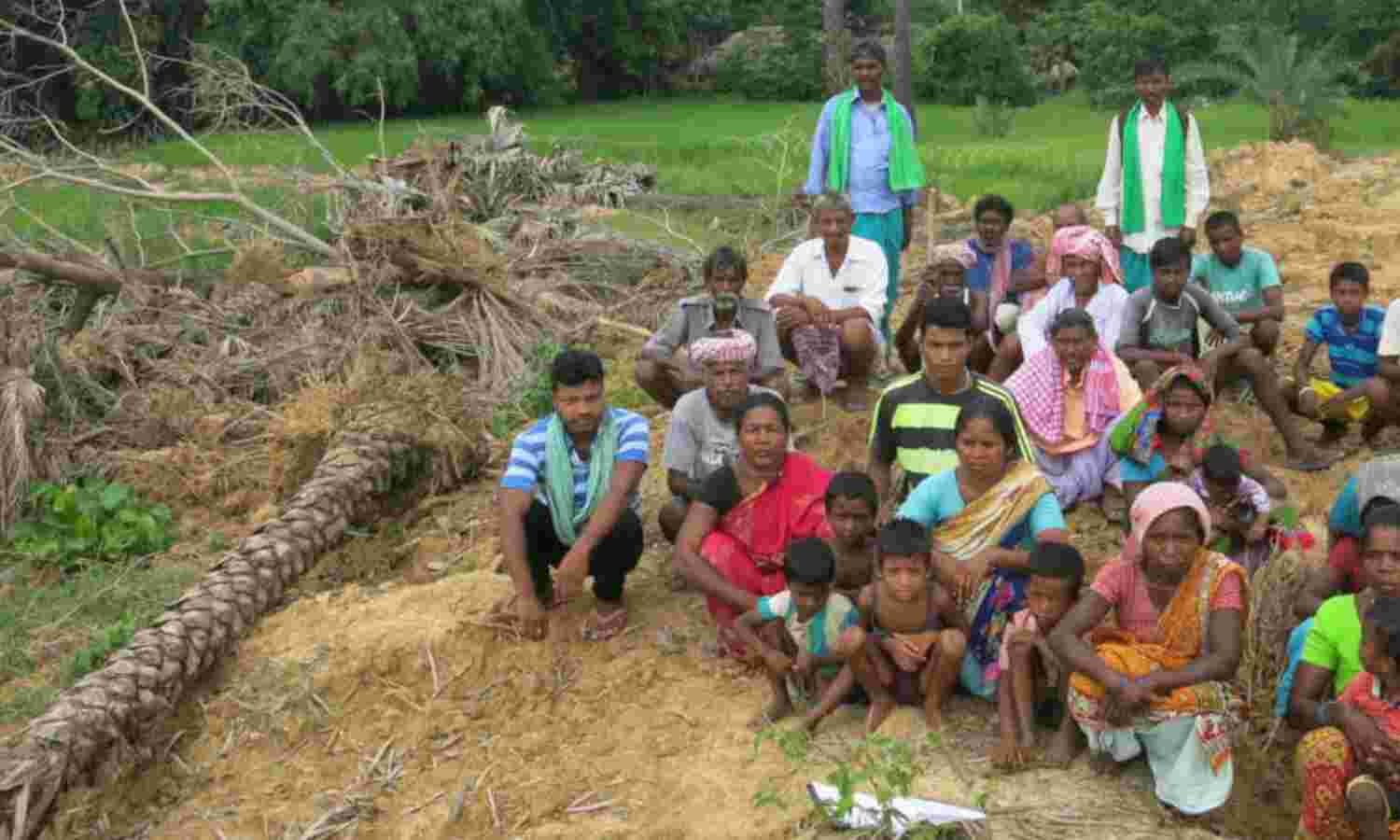
The Tribal Mineral Rights Debate has gained prominence as experts caution that national mining initiatives targeting resource-rich regions in Manipur, Arunachal Pradesh, and Meghalaya must fully recognize tribal land ownership systems. The discussion follows growing interest in critical mineral exploration across Northeast India. Moreover, specialists emphasize that sustainable development, community participation, and legal protections should remain central to any future mining strategy in the region.
Bhutan Earthquake Tremors Shake Assam, Trigger Public Concern
Significant Religious Institution Scrutiny Demand Sparks Debate
Tribal Mineral Rights Debate Intensifies Amid Mining Discussions
The Tribal Mineral Rights Debate has emerged as a significant policy issue as experts evaluate the implications of expanding critical mineral exploration in Northeast India. Recent discussions have highlighted Manipur, Arunachal Pradesh, and Meghalaya as areas with potential mineral resources that could contribute to national development goals.
Moreover, experts have stressed that any mining-related initiatives must carefully consider existing land ownership systems and community rights. The issue has attracted attention from policymakers, researchers, and local stakeholders alike.
Critical Minerals Gain Strategic Importance
Critical minerals have become increasingly important due to their role in modern industries and emerging technologies. Consequently, governments around the world are seeking to strengthen access to resources used in renewable energy systems, electronics, and advanced manufacturing.
Additionally, minerals such as lithium, rare earth elements, graphite, and other strategic resources are considered essential for supporting future industrial growth and energy transitions.
Northeast India Draws Attention for Resource Potential
Manipur, Arunachal Pradesh, and Meghalaya have attracted interest because of their geological characteristics and potential mineral reserves. Therefore, discussions about exploration and resource development have become more frequent in recent years.
Furthermore, the Northeast’s diverse landscape and natural resources make the region an important area for economic and environmental policy considerations.
Tribal Land Ownership Remains a Key Concern
Experts have emphasized that tribal land ownership rights must remain central to any mining-related decision-making process. Consequently, discussions have focused on ensuring that development initiatives respect customary ownership structures and existing legal protections.
Moreover, many communities in the Northeast maintain traditional systems of land management that play a vital role in their cultural identity and livelihoods. These systems often influence how land-related decisions are approached.
Importance of Community Consultation
Meaningful consultation with local communities has been highlighted as a critical requirement for responsible resource development. Therefore, experts argue that stakeholders should be actively involved in discussions regarding exploration, environmental impacts, and potential economic benefits.
Additionally, community participation can help improve transparency and foster trust between authorities, investors, and local populations. Inclusive decision-making often contributes to more sustainable outcomes.
Balancing Development and Indigenous Rights
The debate reflects broader questions about balancing economic development with the protection of indigenous and tribal rights. Consequently, policymakers face the challenge of pursuing resource-based growth while respecting established ownership systems.
Furthermore, development initiatives that incorporate community perspectives are often viewed as more effective and socially sustainable. Achieving this balance remains a key objective for many stakeholders.
Environmental Considerations Add Complexity
Environmental concerns also play an important role in discussions surrounding mineral exploration. Therefore, experts emphasize the need for careful assessments before any large-scale mining activity is undertaken.
Moreover, environmental evaluations can help identify potential impacts on forests, water resources, biodiversity, and local communities. Sustainable practices remain essential for long-term resource management.
Legal Frameworks Shape Future Decisions
Existing laws and constitutional protections influence how land and resource issues are addressed in Northeast India. Consequently, legal considerations remain a central aspect of discussions regarding future mining initiatives.
Additionally, experts note that strong regulatory frameworks can help ensure accountability, protect community interests, and provide clarity for all stakeholders involved.
Economic Opportunities and Local Benefits
Critical mineral development has the potential to generate economic opportunities if managed responsibly. Therefore, discussions often focus on how local communities can benefit through employment, infrastructure development, and revenue-sharing mechanisms.
Furthermore, experts argue that equitable benefit-sharing can help ensure that resource development contributes positively to regional growth and community welfare.
Future Policy Discussions Expected
The Tribal Mineral Rights Debate is likely to continue as national and regional authorities assess opportunities related to critical minerals. Meanwhile, experts, community leaders, and policymakers are expected to engage in further discussions regarding land rights, environmental protection, and sustainable development.
Moreover, future decisions will likely depend on how effectively stakeholders address concerns surrounding ownership, consultation, and long-term community interests.
Conclusion
The Tribal Mineral Rights Debate highlights the complex relationship between resource development and indigenous land ownership in Northeast India. As attention grows around critical minerals in Manipur, Arunachal Pradesh, and Meghalaya, experts have emphasized the importance of recognizing tribal land rights and ensuring that development initiatives proceed in a fair and transparent manner. Their concerns reflect broader efforts to balance national economic objectives with the protection of community interests.
Moreover, the discussion underscores the significance of meaningful consultation and inclusive policymaking. Tribal communities possess longstanding connections to their land, making their participation essential in decisions involving resource exploration and development. Respect for traditional ownership systems can help build trust and support sustainable outcomes.
Furthermore, environmental protection, legal safeguards, and equitable benefit-sharing remain important considerations in any future mining strategy. As policymakers continue to evaluate the region’s mineral potential, attention will remain focused on ensuring that development aligns with social, cultural, and environmental priorities. Overall, the Tribal Mineral Rights Debate serves as an important reminder that sustainable resource development requires careful consideration of both economic opportunities and community rights.
FAQs
Q1. What is the Tribal Mineral Rights Debate?
The Tribal Mineral Rights Debate refers to ongoing discussions about ensuring that mining and mineral exploration initiatives respect tribal land ownership rights and community interests.
Q2. Which states are part of the discussion?
The debate focuses primarily on Manipur, Arunachal Pradesh, and Meghalaya, which have attracted attention for their potential critical mineral resources.
Q3. Why are critical minerals important?
Critical minerals are used in technologies such as renewable energy systems, electronics, batteries, and advanced manufacturing industries.
Q4. Why is community consultation important in mining projects?
Consultation helps ensure that local communities understand potential impacts, participate in decision-making, and benefit from development initiatives.
Q5. How does the Tribal Mineral Rights Debate affect future mining plans?
The Tribal Mineral Rights Debate emphasizes that future mining initiatives should balance economic development goals with legal protections, environmental safeguards, and tribal land ownership rights.