


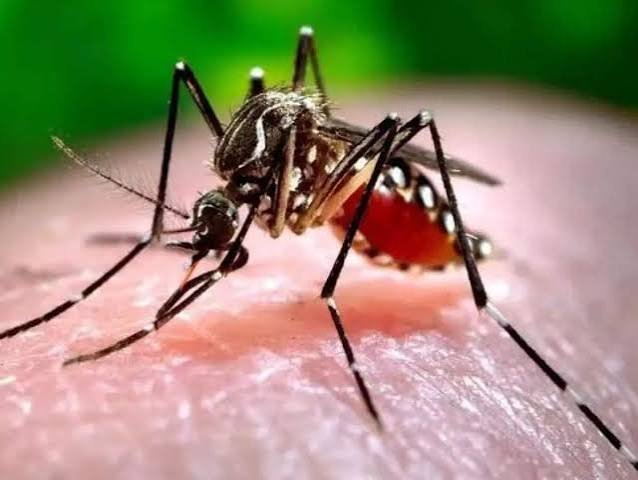
Tripura is strengthening its preventive response against mosquito-borne illnesses as the post-monsoon period raises the risk of vector-borne disease transmission. Health teams are focusing on surveillance, malaria prevention and mosquito-control measures across vulnerable areas. The approach includes anti-larval activities, source reduction, community awareness and early detection of suspected infections.
The state’s efforts form part of a broader public-health strategy for controlling malaria, dengue and other vector-borne diseases. National guidance also places strong emphasis on intensified monitoring and vector-control measures during the monsoon and post-monsoon periods.
Tripura Hosts State Consultation Panel on Technology in Governance at IT Bhavan
Tripura Post-Monsoon Vector Control Targets Mosquito Breeding
The Tripura post-monsoon vector control strategy focuses on reducing mosquito breeding before infections can spread widely. Rainfall can leave stagnant water in drains, containers, low-lying areas and other locations where mosquitoes may breed. Therefore, health teams rely on source reduction and anti-larval measures to address breeding conditions.
Anti-larval activity targets mosquitoes during their aquatic stages. The National Centre for Vector Borne Diseases Control recommends measures such as approved larvicides, biological control and environmental management as part of integrated vector management.
Tripura has an established health administration for vector-borne disease control. The NCVBDC lists a State Programme Officer for the National Vector Borne Disease Control Programme under the Directorate of Family Welfare and Preventive Medicine in Agartala.
Meanwhile, recent activity in the state shows that malaria prevention remains a priority. On September 30, 2026, a special malaria health camp was organised at Raihumcha in Khowai district’s Mungiakami area. The initiative specifically focused on reducing mosquito-borne disease risks during and after the rainy season.
Health Teams Strengthen Surveillance and Early Response
The Tripura post-monsoon vector control approach also depends on detecting infections quickly. Health facilities and field teams can identify suspected cases through surveillance and testing, allowing authorities to respond when clusters emerge.
Malaria remains an important focus because transmission can vary across locations and seasons. Consequently, field-level health activities combine disease surveillance with preventive interventions rather than relying on treatment alone.
The Union Health Ministry has advised states to maintain heightened vigilance during the monsoon and post-monsoon months. Its preparedness framework includes regular reviews, hotspot mapping, source reduction, anti-larval measures, rapid response mechanisms and stronger public awareness.
Tripura also participated in a regional review meeting on malaria elimination in July 2026. The meeting in Agartala included officials from the National Centre for Vector Borne Diseases Control, the National Health Mission and Tripura’s health administration. Field visits subsequently covered health facilities and community-level locations in Sepahijala and West Tripura.
Such monitoring is important because mosquito-borne disease control requires continuous attention. Even when reported infections remain limited in a particular locality, preventive teams can identify breeding conditions before they contribute to wider transmission.
Anti-Larval Measures Form Part of Wider Prevention
The Tripura post-monsoon vector control campaign is not limited to chemical treatment. National guidelines recommend integrated vector management that combines source reduction, anti-larval measures, biological control and other appropriate interventions.
Source reduction remains particularly important because it removes the conditions mosquitoes need to reproduce. Drains, water-holding containers, pits and other stagnant-water locations can receive attention during field inspections. The NCVBDC’s Urban Malaria Scheme recommends measures such as filling low-lying areas, improving drainage, clearing vegetation and removing standing water.
Anti-larval operations can complement these environmental measures. Depending on local conditions, authorities may use approved chemical larvicides or biological methods. The national programme identifies agents such as temephos and Bti for appropriate anti-larval applications, while larvivorous fish can also support mosquito control in suitable water bodies.
Moreover, public participation remains essential. Households can reduce potential breeding sites by preventing water from accumulating around homes and by maintaining clean surroundings. Health authorities also use information, education and communication activities to encourage preventive behaviour.
The national government has emphasised this combination of community engagement and technical intervention. Its July 2026 review highlighted capacity building, awareness campaigns and cooperation between health authorities and other departments as important elements of monsoon-related disease prevention.
Focus Remains on Dengue, Malaria and Other Risks
The Tripura post-monsoon vector control effort covers more than a single mosquito-borne disease. National vector-control programmes address malaria, dengue and Japanese encephalitis, while surveillance systems also support responses to other vector-borne infections.
Dengue prevention requires particular attention to mosquito breeding around populated areas. The Union Health Ministry has urged states to strengthen surveillance, diagnosis, treatment and public awareness while maintaining vector-control activities during high-risk periods.
Tripura’s health authorities have also conducted malaria-focused community activities during the current post-monsoon period. The September 30 health camp in Khowai demonstrates how district-level services can combine screening, community mobilisation and mobile health support in areas where seasonal disease risks require additional attention.
At the national level, the government has strengthened surveillance through a network of 887 Sentinel Surveillance Hospitals and 27 Apex Referral Laboratories for dengue detection. It also provides diagnostic support and technical guidance to states under the national vector-borne disease programme.
For Tripura, sustained surveillance will remain important as weather conditions change after the monsoon. Therefore, field teams can use local disease information and mosquito-control observations to identify areas requiring additional preventive attention.
Conclusion
The Tripura post-monsoon vector control effort reflects the importance of acting before mosquito-borne infections become wider outbreaks. Anti-larval measures, source reduction, surveillance and community awareness can work together to reduce breeding opportunities and improve early response.
Recent malaria-focused activity in Khowai and the state’s participation in national and regional vector-control reviews show continued attention to seasonal disease risks. However, effective prevention will depend on sustained field monitoring and cooperation between health workers, local administrations and communities.
FAQs
What is Tripura post-monsoon vector control?
Tripura post-monsoon vector control refers to preventive measures used to reduce mosquito breeding and limit the transmission of diseases such as malaria and dengue after the rainy season.
Why are anti-larval measures important after the monsoon?
Rainfall can leave stagnant water in many locations. Anti-larval measures target mosquitoes during their aquatic stages and therefore help reduce breeding before adult mosquitoes emerge.
Which diseases are targeted by vector-control programmes?
Major targets include malaria, dengue and Japanese encephalitis. Other vector-borne diseases may also require surveillance and control measures depending on local risks.
What role does source reduction play?
Source reduction removes or manages places where mosquitoes can breed. Measures can include improving drainage, removing stagnant water and addressing water-holding containers and other breeding sites.
How can communities support mosquito-borne disease prevention?
Communities can help by keeping surroundings clean, preventing stagnant water accumulation and cooperating with health teams during surveillance and vector-control activities.