


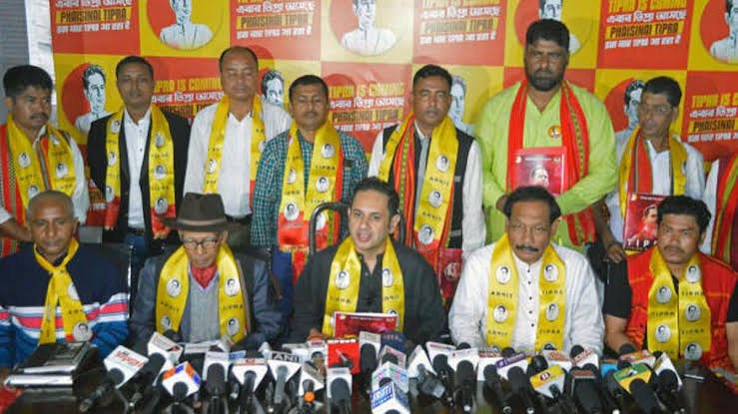
Tripura’s upcoming local polls are set to create a major electoral contest across 587 village committees, bringing tribal representation, grassroots governance, development, and political organisation into sharp focus. The large-scale contest will test the strength of political parties and local candidates across the state’s tribal areas.
The elections come amid heightened political activity involving TIPRA Motha, the BJP, and other political organisations. Moreover, competing parties are expected to focus on indigenous rights, land protection, employment, infrastructure, education, healthcare, and welfare delivery as they seek support from village communities.
The 587 village committees will provide an important test of grassroots political strength. However, local candidates, community priorities, alliances, voter turnout, and campaign organisation could ultimately determine the results.
Supreme Court Allows Kuki Legal Groups Access to Biren Singh Forensic Report
587 Village Committees Create Major Contest
The scale of the elections makes the 587 village committees an important political battleground.
Political parties must build extensive grassroots networks to contest seats across a large number of village institutions. Furthermore, they need strong local candidates who understand community-level concerns and can maintain direct contact with voters.
The contest could therefore place significant organisational demands on every political organisation.
However, the number of committees alone cannot determine which party will emerge strongest.
TIPRA Motha Faces Crucial Grassroots Test
TIPRA Motha enters the local polls with a strong focus on indigenous rights and tribal political representation.
The party has highlighted issues involving constitutional safeguards, land protection, language, culture, and greater political participation. Additionally, its performance across the 587 village committees could indicate whether its broader political agenda continues to resonate at the grassroots level.
A strong result could strengthen the party’s position in Tripura’s tribal politics.
However, local candidates and village-specific issues will also influence voters.
BJP Seeks Greater Influence
The BJP will also face an important test across Tripura’s tribal areas.
The party can highlight government development programmes, welfare initiatives, infrastructure projects, and employment measures during the campaign. Moreover, stronger performance at the village level could help the BJP expand its grassroots network.
The 587 committees therefore provide a significant opportunity for organisational growth.
However, competition from established tribal political forces could make several contests highly competitive.
Indigenous Rights Take Centre Stage
Indigenous rights are likely to remain a major theme throughout the campaign.
Political parties may discuss constitutional safeguards, political representation, land security, cultural preservation, and protection of tribal interests. Furthermore, these issues could become particularly important in communities where questions of identity and land remain politically sensitive.
TIPRA Motha is expected to maintain strong emphasis on these concerns.
However, voters may also prioritise immediate development needs.
Land Protection Remains Important
Land protection could become one of the most closely discussed issues during the local polls.
Land directly affects agriculture, livelihoods, settlement, and community identity. Moreover, indigenous communities may expect political representatives to protect existing safeguards and address concerns involving land administration.
Political parties will therefore need to present clear positions on land-related questions.
However, individual communities may face different land and livelihood challenges.
Language and Culture Shape Political Messaging
Language and cultural preservation could also influence the campaign.
Tribal languages represent an important part of indigenous identity, while cultural institutions can help preserve traditions and community heritage. Additionally, education policies and public administration can affect how effectively indigenous languages remain part of everyday life.
Political organisations may use these issues to connect with younger voters.
However, cultural concerns will compete with practical priorities such as employment and infrastructure.
Development Issues Could Decide Seats
Despite the focus on identity and representation, development will remain central to local elections.
Voters may evaluate candidates on roads, electricity, drinking water, schools, healthcare, agricultural support, employment, and welfare access. Moreover, improvements in connectivity can create greater access to markets, education, and government services.
Candidates will therefore need to address practical concerns alongside broader political issues.
However, priorities will vary between villages.
Candidate Selection Becomes Critical
Candidate selection could determine the outcome of many contests.
Village-level voters often assess candidates according to their reputation, accessibility, community relationships, and understanding of local problems. Furthermore, candidates with strong local networks can remain competitive even when broader party politics becomes polarised.
Political parties will therefore need to select candidates carefully.
However, candidate popularity alone cannot guarantee victory.
Alliances Could Alter Electoral Arithmetic
Political alliances could significantly influence the contest across the 587 village committees.
Parties may cooperate in selected areas to avoid dividing their support base. Additionally, local understandings could differ from statewide political arrangements because community-level calculations often determine electoral decisions.
This could produce different competitive patterns from one village to another.
However, alliances can also create disagreements over seat allocation and candidate selection.
Youth Employment Becomes Key Issue
Young voters could place employment and economic opportunities high on the political agenda.
Education, vocational training, entrepreneurship, agriculture, and access to jobs remain important concerns for rural communities. Moreover, better roads and digital connectivity can support new economic opportunities.
Political parties are therefore likely to include youth-focused measures in their campaigns.
However, voters may judge these promises against actual delivery.
Village Committees Strengthen Local Governance
Village committees provide an important grassroots link between communities and local administration.
Local representatives can raise community concerns and influence development priorities. Furthermore, elections allow voters to select representatives who can communicate local needs through the wider administrative structure.
The 587 committees therefore carry significance beyond party competition.
However, village-level bodies have distinct responsibilities from the autonomous district council and state government.
Multi-Cornered Contests Could Increase
The local polls could produce several closely fought, multi-cornered contests.
TIPRA Motha, the BJP, and other political organisations may compete for overlapping voter groups. Moreover, independent candidates and local political leaders could influence the outcome in particular villages.
Vote division could consequently become an important factor.
However, the final competitive landscape will become clearer after candidates and alliances are formally established.
Results Could Reshape Tribal Politics
The outcome of the 587 village committee elections could influence political calculations across Tripura’s tribal areas.
A strong performance could expand a party’s grassroots network and strengthen its local leadership. Conversely, unexpected results could force political organisations to reassess their strategies and alliances.
The elections could therefore have consequences beyond village governance.
However, local election results should not automatically predict future Assembly or parliamentary contests.
Conclusion
Tripura’s 587 village committees are set for a major grassroots electoral contest that could test the political strength of TIPRA Motha, the BJP, and other competing organisations. Indigenous rights, land protection, language, cultural identity, employment, infrastructure, and welfare are likely to shape the campaign.
Moreover, the scale of the elections will place significant importance on candidate selection, grassroots organisation, local alliances, and voter turnout. Each village could produce a different political contest based on its own priorities and leadership dynamics.
Overall, the 587 village committees represent an important battleground for Tripura’s tribal politics. The results could reshape grassroots influence and provide a clearer picture of the state’s evolving political landscape.
FAQs
1. How many village committees are involved?
The upcoming local polls involve 587 village committees, making the contest a major grassroots electoral exercise.
2. Which parties are expected to compete?
TIPRA Motha, the BJP, and other political organisations are expected to compete across different tribal areas.
3. What issues could influence voters?
Indigenous rights, land protection, language, employment, education, healthcare, infrastructure, and welfare delivery could become major campaign issues.
4. Why are the village committees politically important?
They provide a grassroots platform for local representation and allow communities to influence development priorities and local governance.
5. Could the elections affect wider Tripura politics?
Yes. The results could influence party strategies, grassroots organisation, local leadership, and future political calculations across the state’s tribal areas.