


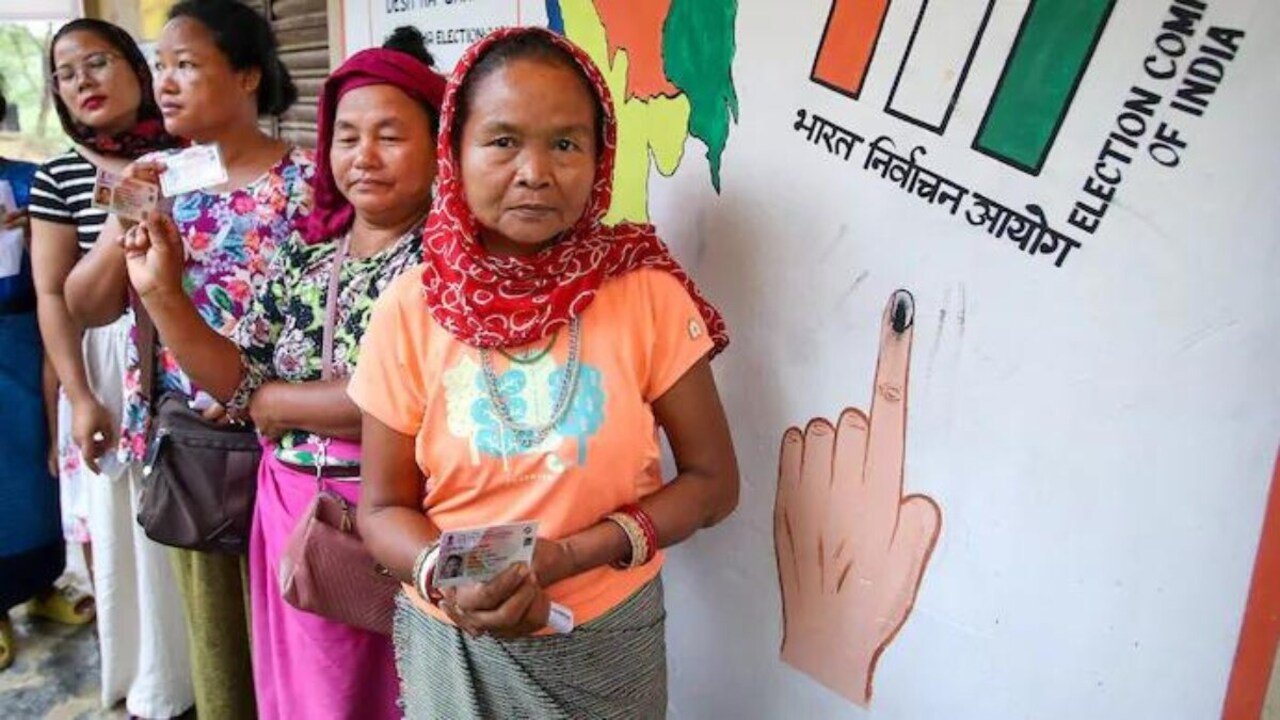
Tripura civic election observers have become a focus of debate as opposition parties demand stronger safeguards for the upcoming urban local body elections. The State Election Commission has begun preparations to appoint 23 observers for elections across 21 urban local bodies, including the Agartala Municipal Corporation. Meanwhile, Left Front leaders have called for central security forces, better protection for candidates and polling agents, and stricter arrangements in areas they consider vulnerable to political violence. The demands reflect opposition concerns about the fairness of the electoral process, while the authorities continue preparations for the polls expected in the last week of November 2026.
Manik Saha Opposition Criticism Centres on Public Grievances
Tripura Civic Election Observers Face Calls for Stronger Oversight
The State Election Commission has moved ahead with preparations for the upcoming civic polls and sought a list of suitable officers from the state government for appointment as election observers. According to a report published on October 27, the Commission plans to appoint 23 observers to oversee elections across 21 urban local bodies.
These bodies include the Agartala Municipal Corporation, municipal councils and nagar panchayats across Tripura. Observers can support the electoral process by monitoring compliance with election rules, reporting irregularities and helping the Commission maintain oversight during key stages of polling.
The appointment process comes amid demands from opposition parties for stronger safeguards. The Left Front has argued that election preparations should address concerns about candidate access, campaign activity, polling arrangements and the safety of election agents. Its leaders have called for measures that would allow all parties to participate without intimidation.
However, the demand for strict observer guidelines is part of a wider debate about election administration. The Commission must establish clear responsibilities for observers and ensure that they follow consistent procedures across different urban bodies. Transparent reporting and prompt action on documented complaints can also help maintain confidence in the process.
The Commission has not yet announced the final election date, according to the October 27 report. Preparations indicate that polling may take place during the last week of November, with counting targeted for early December.
Opposition Demands Central Forces and Clear Deployment Rules
The Left Front has pressed the state government and police leadership to strengthen security arrangements for the civic elections. On October 23, leaders of five Left parties met Acting Director General of Police G.S. Rao and submitted a six-point memorandum seeking central paramilitary force deployment and safeguards throughout the electoral process.
The delegation represented the CPI(M), CPI, Revolutionary Socialist Party, All India Forward Bloc and CPI(ML) Liberation. Left Front convenor Manik Dey led the group. The memorandum called for security arrangements that would allow candidates, party workers, polling agents and voters to participate without intimidation.
Among its demands, the parties sought the deployment of central forces at every polling station. They also called for route marches and patrolling in municipal areas beginning seven days before polling. According to the memorandum, these measures would help authorities monitor sensitive locations and deter potential disturbances.
The opposition also demanded unhindered movement for candidates during the nomination period. It proposed security along roads leading to returning officers’ offices, particularly to protect candidates travelling to submit their papers. In addition, the parties asked officials to provide protection for polling agents travelling to and from polling stations when necessary.
Another proposal involved identifying sensitive polling stations in consultation with opposition parties. The Left Front argued that authorities should consider local concerns when determining which locations need additional security. It also called for fair access to public meeting venues and monitoring of hotels, guest houses and community halls during the campaign silence period.
These proposals go beyond the deployment of personnel on polling day. They seek safeguards throughout the election cycle, including nomination filing, campaigning, voting and counting. However, the memorandum records the opposition’s demands and allegations; it does not establish that every proposed measure will be adopted.
The Acting DGP reportedly indicated that he would seek central forces if the Union government made them available. The final arrangements will depend on decisions by the relevant authorities and the availability of personnel.
Opposition Cites Previous Elections to Support Its Demands
The Left Front has referred to the 2021 municipal elections and the recently concluded Village Committee polls to explain its concerns. In its memorandum, the five-party delegation alleged that opposition candidates faced obstruction during nomination filing in several municipal areas in 2021. It also claimed that some polling agents could not enter polling stations and that counting agents faced intimidation or removal from counting centres.
The parties further alleged that opposition candidates and workers encountered political violence during the Village Committee elections. Their memorandum referred to areas including Hejamara, Belbari, Jirania and Jampuijala, among others. These claims form part of the opposition’s stated reasons for seeking additional safeguards ahead of the next civic polls.
Such allegations carry implications for election planning because nomination access, safe campaigning and the ability to appoint polling agents are central parts of the electoral process. If candidates cannot submit papers freely or agents cannot perform their assigned duties, the authorities may face questions about the implementation of election rules.
At the same time, allegations should be assessed through evidence, official records and responses from the authorities concerned. A memorandum documents the concerns raised by its signatories, but it does not independently verify every incident they describe. Clear investigation procedures and transparent decisions can help distinguish substantiated complaints from disputed political claims.
The opposition has also asked the authorities to identify vulnerable locations before polling begins rather than wait for incidents to occur. Early risk assessments can help officials plan patrols, allocate available personnel and prepare responses to potential disruptions. Such planning can also make security arrangements more predictable for candidates and voters.
For the Commission, the challenge is to apply the rules consistently across all 21 urban local bodies. Authorities must consider specific local conditions while maintaining impartiality between political parties. Clear communication about security arrangements and complaint procedures would help candidates understand how they can seek assistance during the election period.
Election Commission Prepares for Polling Across 21 Urban Bodies
Alongside the debate over security, the State Election Commission continues its technical and administrative preparations. Officials have reported that the first-level checking of electronic voting machines took place on October 13, 14 and 15. The Commission intends to place the tested machines at the disposal of returning officers as preparations progress.
The Commission has also discussed electoral rolls, polling station arrangements, nominations, scrutiny of nomination papers and withdrawal procedures with representatives of political parties. These steps form part of the broader process required before the election schedule can be finalised.
The expected late-November polling period leaves several administrative tasks to complete. Officials must coordinate staffing, prepare polling locations, distribute election materials and communicate the relevant procedures to candidates and parties. Observer appointments form one part of this wider preparation.
The appointment of 23 observers will place additional emphasis on monitoring and reporting. To make that role effective, the Commission can clarify observers’ responsibilities, reporting channels and procedures for escalating complaints. Consistent instructions would also help ensure that similar issues receive comparable attention across different municipal areas.
However, the appointment of observers alone cannot resolve every concern raised by political parties. Effective oversight also depends on observers having access to relevant information, officials responding to documented complaints and the Commission taking appropriate action when it identifies violations. Security agencies will separately need to implement whatever deployment arrangements the competent authorities approve.
The Commission has stressed the importance of impartiality and peaceful polling during its preparations. Political parties have also participated in discussions about electoral rolls, voting arrangements and security. Continued consultation could help clarify outstanding concerns before the election schedule is announced.
Ultimately, the effectiveness of the arrangements will depend on implementation. Candidates need to know how to report obstruction, polling agents need clarity about their rights and responsibilities, and voters need confidence that they can participate freely. Transparent procedures can help the Commission address these needs without favouring any political party.
Conclusion
Tripura civic election observers have become an important part of the debate over electoral oversight as the State Election Commission prepares to appoint 23 observers for polls across 21 urban local bodies. Opposition parties, led by the Left Front, have called for stricter security measures, central forces at polling stations and safeguards for candidates and polling agents throughout the election process.
The opposition has based its demands partly on allegations about previous municipal and Village Committee elections. These claims require assessment against available evidence and official records. Meanwhile, the Commission continues preparations involving electronic voting machines, electoral rolls and polling arrangements, with voting expected in the last week of November 2026, according to current reports.
As the election approaches, clear observer guidelines, transparent complaint procedures and coordinated security planning will be important. The authorities’ response to documented concerns, alongside consistent enforcement of election rules, will help determine whether candidates and voters can participate with confidence. The Commission has yet to announce the final polling schedule and complete security arrangements.
FAQs
1. How many observers will Tripura appoint for the civic elections?
The State Election Commission plans to appoint 23 observers for elections across 21 urban local bodies, including the Agartala Municipal Corporation.
2. What are opposition parties demanding before the civic polls?
The Left Front has called for central paramilitary forces, protection for candidates and polling agents, security during nomination filing, patrols in vulnerable areas and consultation on sensitive polling stations.
3. Which parties submitted the security memorandum?
Five Left parties submitted the memorandum: CPI(M), CPI, RSP, All India Forward Bloc and CPI(ML) Liberation. Left Front convenor Manik Dey led the delegation that met the Acting DGP on October 23, 2026.
4. When are the Tripura urban local body elections expected?
Reports published on October 27 said polling was likely in the last week of November 2026, with counting targeted for early December. The final election schedule had not been announced in that report.
5. Why are strict observer guidelines important?
Clear guidelines can establish how observers monitor compliance, document complaints and report potential violations. Consistent procedures can support transparency and help election authorities respond to concerns across different urban local bodies.