


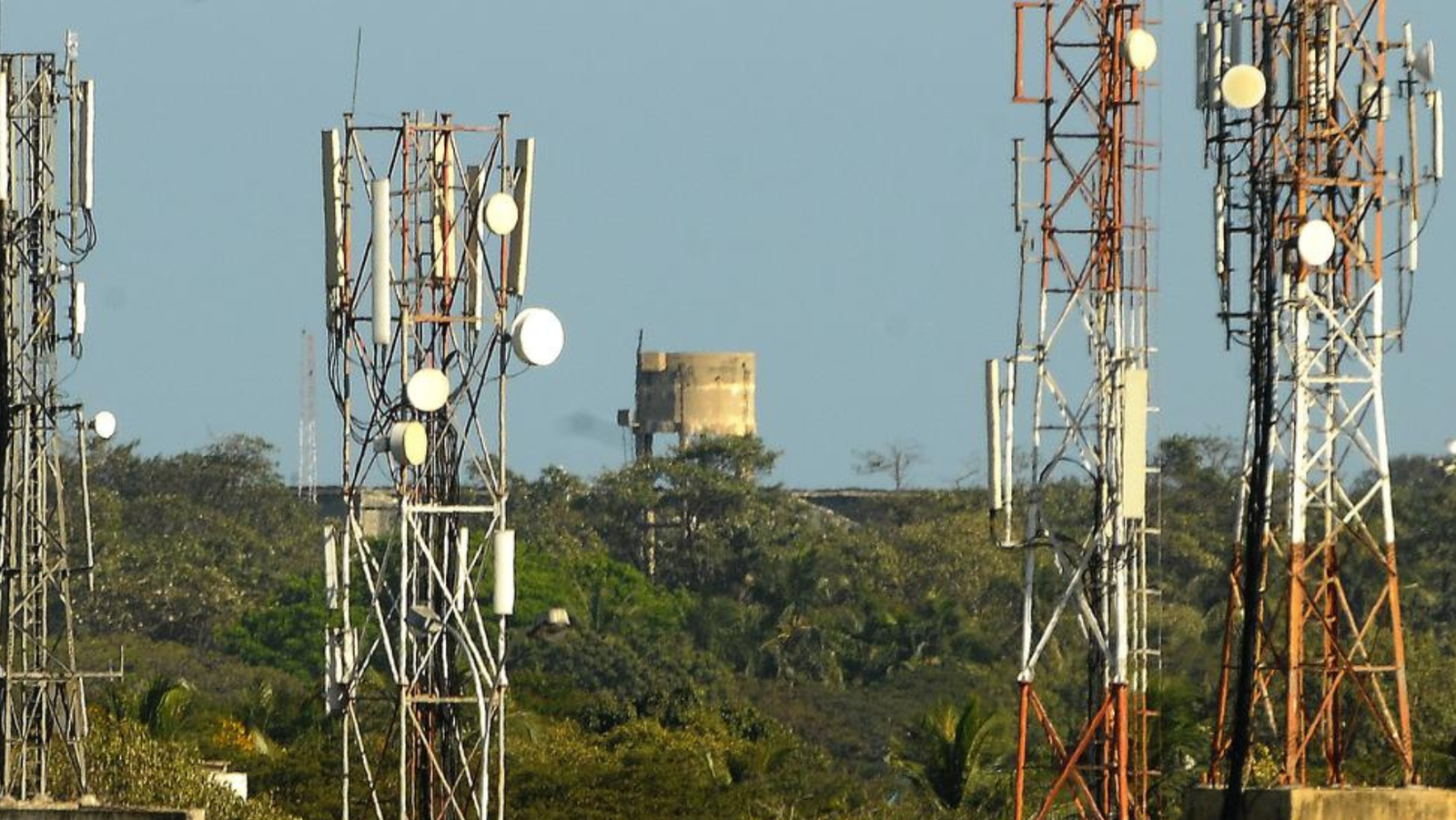
Arunachal mobile connectivity concerns intensified after regional organizations questioned official claims regarding telecom coverage in remote villages across Arunachal Pradesh. Meanwhile, community representatives stated that several rural areas continue facing weak network signals, frequent service disruptions, and limited internet access despite reports of high coverage percentages. Local groups argued that communication challenges continue affecting education, healthcare access, emergency response, and digital services in remote regions. Additionally, organizations urged authorities and telecom providers to conduct ground-level assessments instead of relying solely on official data.
Siang hydropower MoU signed by villagers
Assam Price Hike Protests Intensify Across State Streets
Regional Groups Challenge Coverage Claims
Representatives from regional organizations stated that official telecom coverage figures do not accurately reflect the real situation in many villages. Consequently, community leaders called for independent field verification of mobile network availability in remote and border areas. Several organizations claimed that residents often struggle to access even basic calling services.
Local representatives explained that unreliable connectivity creates daily difficulties for students, healthcare workers, and small businesses. However, officials have maintained that significant improvements in rural telecom infrastructure have been implemented in recent years. At the same time, residents from remote districts reported recurring problems involving unstable signals and internet interruptions.
The Arunachal mobile connectivity concerns also highlighted growing frustration regarding digital infrastructure gaps in mountainous terrain. Furthermore, organizations argued that official statistics should consider actual service quality instead of only tower installation numbers.
Remote Villages Continue Facing Communication Challenges
Community members from remote areas stated that poor mobile connectivity affects access to emergency services and government welfare programs. Meanwhile, residents explained that digital banking, online education, and telemedicine services often become difficult because of unstable network connections.
Several local groups noted that weather conditions and difficult terrain frequently disrupt communication infrastructure in hilly regions. Specifically, villagers described situations where people travel long distances simply to access stable mobile signals. Earlier, regional administrations had promoted rural connectivity initiatives aimed at improving telecommunications access in underserved locations.
The Arunachal mobile connectivity concerns therefore sparked wider discussion regarding infrastructure planning and digital inclusion policies. Consequently, civil society organizations demanded faster implementation of reliable telecom solutions in isolated communities.
Education And Healthcare Services Impacted
Education advocates stated that weak internet connectivity continues affecting students in remote villages, especially those depending on digital learning resources. Meanwhile, teachers and community volunteers explained that online educational opportunities remain limited because of inconsistent network access.
Healthcare workers also expressed concern regarding communication barriers during emergencies and medical consultations. In addition, telemedicine and digital health services reportedly face operational challenges in several rural regions. Experts observed that reliable connectivity has become increasingly important for essential public services and disaster response systems.
The Arunachal mobile connectivity concerns further renewed debate regarding equitable access to digital infrastructure. Moreover, policy analysts stressed that remote populations should not remain excluded from modern communication networks and online services.
Organizations Demand Ground-Level Surveys
Regional organizations urged authorities to conduct physical verification of mobile coverage conditions across affected villages. Meanwhile, community leaders stated that official telecom assessments should involve direct consultation with local residents and village councils.
Representatives argued that network availability often differs significantly between urban centers and isolated settlements. However, officials have reportedly continued highlighting progress under rural connectivity expansion programs. At the same time, observers noted that geographic challenges in Arunachal Pradesh complicate infrastructure development and maintenance activities.
The Arunachal mobile connectivity concerns therefore became a major issue during regional public discussions and community meetings. Consequently, activists called for stronger accountability and transparency regarding telecom infrastructure projects.
Telecom Infrastructure Challenges Highlighted
Technical experts explained that Arunachal Pradesh’s mountainous terrain creates major obstacles for telecom expansion and maintenance. Meanwhile, engineers stated that remote villages often require specialized infrastructure and higher operational costs compared to urban regions.
Authorities acknowledged that weather disruptions and difficult accessibility can delay repair and installation activities. In addition, telecom analysts noted that maintaining stable connectivity in border and forested areas remains technically demanding. Experts also recommended increased investment in alternative communication technologies and satellite-based services.
The Arunachal mobile connectivity concerns generated broader conversations about digital inequality in northeastern India. Specifically, observers emphasized the importance of long-term infrastructure planning for geographically challenging regions.
Calls Grow For Improved Telecom Services
Community organizations urged telecom providers and government agencies to prioritize service quality improvements instead of relying mainly on coverage statistics. Furthermore, residents requested faster repairs, stronger network reliability, and expanded internet access in remote villages.
Digital rights advocates also emphasized that communication access now directly influences economic opportunities, education, and public welfare. Consequently, experts called for coordinated efforts involving telecom companies, administrative agencies, and local communities. Analysts believe improved connectivity could significantly support regional development and social inclusion.
The Arunachal mobile connectivity concerns may therefore influence future telecom policy discussions and infrastructure investments in the state. Ultimately, regional organizations stated that reliable communication services remain essential for improving living conditions in remote Arunachal Pradesh communities.
Conclusion
The Arunachal mobile connectivity concerns raised by regional organizations have intensified discussions regarding telecom infrastructure and digital access in remote villages across the state. Meanwhile, residents continue reporting weak signals, unstable internet connections, and communication difficulties despite official coverage claims. Community groups and experts emphasized the need for ground-level verification and stronger infrastructure investment. Ultimately, the issue highlights the growing importance of reliable digital connectivity for education, healthcare, emergency response, and regional development in Arunachal Pradesh.
FAQs
Q1. Why are regional organizations concerned about mobile connectivity? Organizations claim that many remote villages still face poor network access despite official reports showing high telecom coverage.
Q2. Which areas are reportedly affected by weak connectivity? Remote and rural villages across Arunachal Pradesh are reportedly experiencing unstable mobile and internet services.
Q3. What are the Arunachal mobile connectivity concerns about? The Arunachal mobile connectivity concerns focus on weak telecom services, unreliable internet access, and gaps between official claims and ground realities.
Q4. How does poor connectivity affect residents? Weak networks reportedly disrupt education, healthcare access, digital banking, emergency communication, and online government services.
Q5. Why is telecom infrastructure difficult in Arunachal Pradesh? Experts stated that mountainous terrain, weather conditions, and remote geography create major challenges for telecom expansion and maintenance.
Q6. What solutions are organizations demanding? Regional groups are calling for ground-level surveys, improved infrastructure investment, reliable services, and better accountability from telecom providers.