


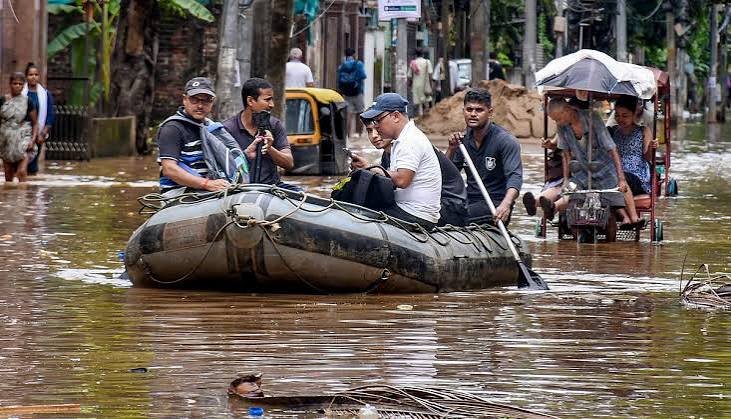
The Assam flood death toll has reached 103, according to the latest figure provided, underscoring the severity of the state’s ongoing flooding crisis. The rising toll comes as several districts continue to deal with inundated communities, damaged infrastructure, and widespread displacement.
The latest fatalities add to the humanitarian impact of the disaster. Moreover, rescue teams, district administrations, and relief agencies continue to face the challenge of supporting affected residents while floodwaters remain in vulnerable areas.
Authorities will need to maintain emergency assistance while also preparing for longer-term rehabilitation and recovery.
Meghalaya Pineapples Hit Bengaluru: Premium Khasi Pineapples Reach Major Indian Metros
Assam Flood Death Toll Reaches 103
The official Assam flood death toll of 103 marks a grim milestone in the current disaster.
Each additional fatality highlights the continuing risks faced by residents in flood-affected areas. Furthermore, dangerous water levels, damaged roads, isolated communities, and difficult rescue conditions can complicate emergency operations.
Authorities continue to monitor affected areas as the situation develops.
Flooding Causes Widespread Disruption
Floodwaters have affected communities across multiple parts of Assam.
Residents can face displacement, property damage, disrupted transportation, and difficulties accessing essential services. Additionally, agricultural land and livestock can suffer major losses when floodwaters remain for extended periods.
The broader economic and social impact can therefore continue even after water levels begin to decline.
Rescue Operations Remain Important
Emergency teams play a crucial role in protecting residents in vulnerable areas.
Rescue operations can involve evacuating families, transporting people to safer locations, and delivering essential supplies. Moreover, responders must work carefully in areas where roads, bridges, and other infrastructure have suffered damage.
Maintaining safe access remains a key priority.
Relief Camps Support Displaced Residents
Relief camps provide temporary shelter for people who cannot safely remain in their homes.
Authorities need to ensure that these facilities receive adequate food, drinking water, sanitation supplies, and medical assistance. Furthermore, prolonged displacement can create additional challenges for children, elderly residents, and other vulnerable groups.
Camp management will therefore remain an important part of the response.
Agriculture Faces Major Losses
Flooding has also affected Assam’s agricultural sector.
Submerged farmland can damage standing crops and disrupt planting schedules. Additionally, farmers may face difficulties replacing agricultural inputs and restoring fields once floodwaters recede.
The agricultural impact could therefore extend well beyond the immediate flood period.
Infrastructure Damage Adds Pressure
Roads, bridges, drainage systems, and other infrastructure can suffer damage during severe flooding.
Such damage can make rescue operations more difficult and delay the delivery of essential supplies. Moreover, repairing infrastructure can require significant resources after the emergency phase ends.
Authorities will need to assess damage systematically as conditions improve.
Health Risks Require Monitoring
Flooding can create additional public-health concerns.
Standing water, overcrowded shelters, contaminated water sources, and disrupted sanitation can increase health risks. Furthermore, authorities may need to strengthen disease surveillance and provide medical services in affected communities.
Preventive healthcare will remain important during the recovery period.
Vulnerable Communities Need Continued Support
Some residents may face greater difficulties during prolonged flooding.
Children, elderly people, people with disabilities, and families who have lost homes or livelihoods may require additional assistance. Additionally, authorities need to ensure that relief reaches remote communities that remain difficult to access.
Targeted support can help address these unequal impacts.
Recovery Will Extend Beyond the Emergency
The death toll represents only one part of the disaster’s overall impact.
Families may also face property losses, livelihood disruption, agricultural damage, and displacement. Moreover, communities will need sustained assistance to rebuild homes, restore infrastructure, and recover economic activity.
Long-term rehabilitation will therefore remain essential after emergency operations conclude.
Disaster Preparedness Gains Importance
The scale of the flooding could reinforce the need for stronger disaster-preparedness measures.
Authorities can review flood forecasting, evacuation planning, drainage systems, embankments, and community-warning mechanisms. Furthermore, lessons from the current crisis can help improve preparedness for future extreme weather events.
Reducing future risks requires both infrastructure and community-level planning.
What Happens Next?
Authorities will continue monitoring flood conditions while maintaining rescue and relief operations.
The immediate priorities include protecting residents, providing essential supplies, supporting relief camps, and maintaining emergency healthcare. Additionally, officials will need to begin detailed assessments of fatalities, property damage, agricultural losses, and infrastructure once conditions permit.
The transition toward recovery will depend on how quickly floodwaters recede.
Conclusion
The Assam flood death toll has officially reached 103, marking a devastating milestone in the state’s ongoing flooding crisis. The figure reflects the human cost of widespread inundation and the continuing challenges faced by affected communities.
Moreover, authorities must maintain rescue operations, relief services, healthcare support, and assistance for displaced families. At the same time, long-term rehabilitation will be necessary to address damage to homes, agriculture, livelihoods, and infrastructure.
Overall, the Assam flood death toll of 103 highlights the urgent need for continued emergency support and stronger disaster resilience as the state moves toward recovery.
FAQs
1. What is the latest Assam flood death toll?
The latest figure provided is 103 deaths.
2. Are rescue operations still important?
Yes. Authorities need to continue monitoring vulnerable areas and supporting residents who remain at risk.
3. How are floods affecting communities?
Flooding can cause deaths, displacement, property damage, agricultural losses, transportation disruptions, and health risks.
4. What happens after the flood emergency?
Authorities will need to focus on rehabilitation, infrastructure repairs, livelihood recovery, and support for affected families.
5. Why is disaster preparedness important?
Improved early warnings, evacuation planning, drainage, flood-control infrastructure, and community preparedness can help reduce the impact of future floods.