


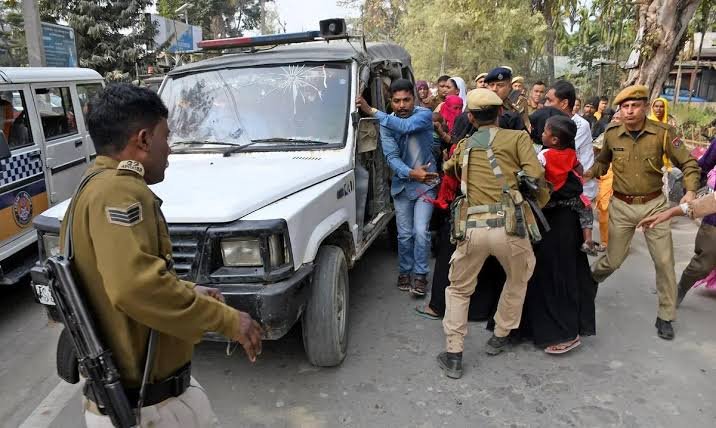
The Assam child marriage crackdown intensified in October 2026 as police launched fresh operations across several districts, including areas near the state’s borders. Chief Minister Himanta Biswa Sarma reported 524 arrests and 441 registered cases as of 5 pm on October 27. In a separate overnight operation, police arrested 98 people across Assam, including 64 in Dhubri district. The latest action forms part of the state government’s wider campaign against child marriage, with police investigating people allegedly involved in arranging, facilitating or solemnising underage marriages. Authorities are also pursuing cases across multiple districts to strengthen enforcement of laws protecting minors.
Tripura Education Department Distributes Scooties to Meritorious Female Students
Assam Child Marriage Crackdown Expands Across Border Districts
Assam Police intensified their enforcement drive in October as the state government renewed efforts to prevent child marriage. The latest operations covered several districts, with Dhubri recording the highest number of arrests in the reported overnight action.
Police arrested 98 people during that operation. Dhubri accounted for 64 arrests, while officers reported another 34 arrests across Nagaon, Boko, Chhaygaon and Bongaigaon. The accused allegedly had links to child marriage cases, although authorities had not disclosed the specific allegations against every individual.
Dhubri’s location near the Bangladesh border makes the district an important area for administrative and law-enforcement coordination. However, the latest reports do not establish that the alleged child marriages involved cross-border activity. The reported crackdown primarily concerns alleged violations of laws governing the minimum legal age for marriage and the involvement of people who may have facilitated such unions.
Police carried out searches across several police station jurisdictions. In Dhubri, the reported arrests included people suspected of participating in or facilitating underage marriages. Officers also conducted operations in other districts as part of the broader statewide campaign.
Meanwhile, the government has continued to emphasise enforcement alongside efforts to protect children and improve opportunities for girls. Authorities have highlighted the effects of child marriage on education, health and long-term economic prospects.
The latest arrests represent a new phase of enforcement, but they do not establish the final outcome of the cases. Investigators must examine individual allegations, gather evidence and follow the required legal procedures before courts determine responsibility.
Assam Reports 524 Arrests and 441 Registered Cases
Chief Minister Himanta Biswa Sarma announced that police had arrested 524 people and registered 441 cases by 5 pm on October 27. He shared the figures in a public update and reiterated the government’s stated objective of eliminating child marriage in Assam.
The figures provide a statewide snapshot of the renewed campaign. However, they differ in scope from the 98 arrests reported during the separate overnight operation. The two sets of figures should not be added together without confirmation that their reporting periods and coverage do not overlap.
Police have conducted operations in multiple districts, including Dhubri, Nagaon, Goalpara, South Salmara, Barpeta and Bongaigaon. Several local operations have resulted in arrests linked to alleged underage marriages.
In Nagaon district, for example, police arrested six people during a crackdown under Kachua Police Station’s jurisdiction. Authorities alleged that the individuals had helped arrange or conduct underage marriages. The accused were produced before a court, according to local reporting.
Other operations resulted in arrests in areas under Boko-Chaygaon and in Charaideo district. These cases illustrate the geographical reach of the ongoing enforcement drive, although the allegations and evidence differ from one case to another.
The government has pursued a strict approach to child marriage since earlier statewide operations began in 2023. Police action has targeted not only individuals allegedly involved in underage marriages but also people suspected of facilitating or solemnising them.
Nevertheless, arrest figures alone cannot measure the campaign’s overall impact. A fuller assessment would require information about case outcomes, convictions, prevention efforts and changes in the prevalence of child marriage. The latest figures show the scale of reported enforcement, while the legal process will determine the outcomes of individual cases.
Legal Action Targets Those Allegedly Facilitating Underage Marriages
India’s legal framework prohibits child marriage and provides measures to protect minors. The Prohibition of Child Marriage Act, 2006, establishes the legal framework for addressing underage marriages and penalising people who perform, conduct, direct or abet such unions where the law applies.
The Protection of Children from Sexual Offences Act, 2012, may also apply when an alleged case involves sexual offences against a child. The specific provisions depend on the facts and circumstances of each case.
Assam Police have targeted people suspected of arranging or facilitating underage marriages, including alleged participants and others involved in the arrangements. Depending on the evidence, investigations may examine the roles of parents, guardians, religious functionaries and other individuals.
However, authorities must establish the specific conduct and alleged offence of each person. Family relationships, occupation or presence at a wedding do not by themselves prove criminal responsibility. Investigators must rely on evidence and apply the relevant laws correctly.
Courts also play an essential role in ensuring due process. Arrests allow authorities to investigate allegations, but they do not amount to convictions. The accused retain the legal rights available to them, and courts assess the evidence before reaching a decision.
Alongside enforcement, preventing child marriage requires awareness, access to education and support for vulnerable families. Community organisations, schools and local authorities can help identify risks and connect children with appropriate services.
These measures can complement police action by addressing circumstances that may leave children vulnerable to early marriage. Therefore, a lasting response requires both effective enforcement and practical support for children and families.
Education and Community Awareness Remain Important
Child marriage can disrupt schooling, restrict future choices and expose children to serious health and social risks. Girls who marry early may face pressure to leave education, take on adult responsibilities and become financially dependent before they are ready.
For that reason, preventing underage marriage requires more than arrests. Families need access to accurate information about the law, while children need safe opportunities to continue their education and seek support when they face pressure to marry.
Schools and local organisations can help raise awareness about children’s rights and the consequences of early marriage. They can also encourage families to seek assistance from appropriate authorities when a child faces a risk of being married before reaching the legal age.
In border districts such as Dhubri, effective administration also depends on coordination between police, local authorities and community representatives. Such coordination can help officials respond to reported cases while ensuring that children receive appropriate protection.
At the same time, awareness programmes should respect children’s dignity and privacy. Authorities and community members should avoid exposing minors to public scrutiny or treating them as responsible for marriages arranged by adults.
The state government’s stated goal is to eliminate child marriage through sustained enforcement and wider social intervention. Measuring progress will require reliable data on reported cases, prevention, access to education and legal outcomes.
Ultimately, Assam’s campaign will need to combine consistent policing with community participation and safeguards for children. These measures can help address both alleged violations and the conditions that allow child marriage to continue.
Conclusion
The Assam child marriage crackdown intensified in October 2026, with Chief Minister Himanta Biswa Sarma reporting 524 arrests and 441 registered cases as of 5 pm on October 27. A separate overnight operation resulted in 98 arrests, including 64 in Dhubri district. Police also reported enforcement actions in Nagaon, Boko, Chhaygaon, Bongaigaon and other areas.
The latest operations form part of the state government’s continuing campaign against alleged underage marriages and those suspected of facilitating them. While Dhubri’s border location makes coordination important, the available reports do not establish that the current cases involved cross-border child marriage networks. Authorities must assess each allegation individually and follow the relevant legal procedures.
Going forward, effective prevention will depend on cooperation between police, schools, local authorities and communities. Law enforcement can address suspected violations, while education and child-protection services can help reduce the risks that lead to early marriage. The legal outcomes of the current cases and further prevention data will provide a clearer picture of the campaign’s impact.
FAQs
1. How many people were arrested in Assam’s latest child marriage crackdown?
The Chief Minister reported 524 arrests and 441 registered cases as of 5 pm on October 27, 2026. A separate overnight operation resulted in 98 arrests.
2. Which district recorded the highest number of arrests in the overnight operation?
Dhubri recorded 64 of the 98 arrests reported during the overnight operation.
3. Why is Assam Police targeting people linked to child marriages?
Police are investigating alleged violations of laws prohibiting child marriage, including the roles of people suspected of arranging, facilitating or solemnising underage unions.
4. Which laws address child marriage in India?
The Prohibition of Child Marriage Act, 2006, provides the main legal framework. The POCSO Act, 2012, may also apply when a case involves sexual offences against a child.
5. How can communities help prevent child marriage?
Communities can raise awareness about children’s rights, support continued education and contact appropriate authorities when a child faces pressure to marry before reaching the legal age.