


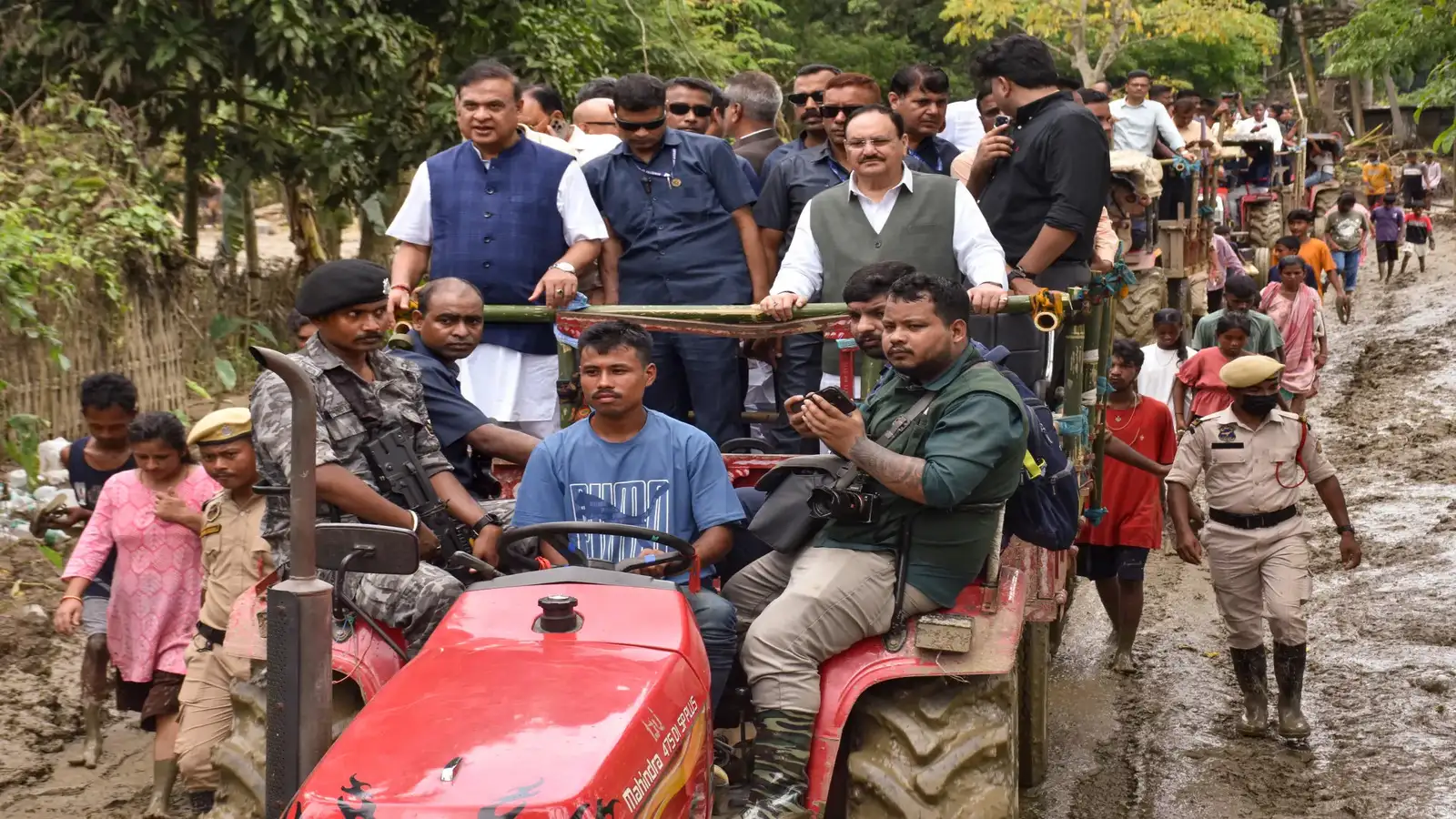
The Assam government has reportedly announced a one-year land tax waiver for residents of the worst-affected districts of Sivasagar and Charaideo following the recent flood crisis. The measure aims to provide financial relief to households dealing with damage and economic disruption.
The waiver forms part of the state’s broader response to the impact of flooding in affected communities. Moreover, suspending land tax obligations could help families and landholders manage immediate recovery expenses without an additional government levy.
However, the exact eligibility criteria, implementation process, and categories of land covered by the waiver will determine how widely residents can benefit.
Meghalaya Pineapples Hit Bengaluru: Premium Khasi Pineapples Reach Major Indian Metros
Assam Land Tax Waiver Provides Immediate Relief
The Assam land tax waiver will reportedly remain in effect for one year in Sivasagar and Charaideo.
Landholders normally face recurring tax obligations connected with their land holdings. Furthermore, removing this financial responsibility temporarily can provide some breathing room for families whose income or property has suffered during a disaster.
The measure therefore adds a direct financial component to the state’s flood-relief response.
Sivasagar and Charaideo Among Worst-Hit Areas
Sivasagar and Charaideo have reportedly faced significant effects from the recent flooding.
Flooding can damage homes, agricultural fields, roads, and other local infrastructure. Additionally, affected households can face losses to crops, livestock, household goods, and income-generating activities.
The tax waiver could therefore complement other relief and rehabilitation measures.
Flood-Affected Families Face Financial Pressure
Flood recovery can create substantial expenses for households.
Families may need to repair damaged property, replace essential items, restore agricultural activities, or cover other unexpected costs. Moreover, agricultural communities can face additional financial pressure when flooding damages crops shortly before harvest.
A temporary tax waiver could help reduce one recurring expense during the recovery period.
Government Expands Disaster Relief Measures
The decision reportedly forms part of the Assam government’s wider response to the flood situation.
Governments commonly combine direct assistance with measures designed to reduce financial obligations after major disasters. Furthermore, tax relief can complement compensation, relief camps, infrastructure repairs, and agricultural assistance.
The effectiveness of the measure will depend on how quickly eligible residents receive the benefit.
Agricultural Landholders Could Benefit
Agriculture plays an important role in the economies of both districts.
Flooding can affect cultivated land and disrupt agricultural production for an entire season. Additionally, farmers may need to invest in seeds, equipment, soil restoration, and other inputs before returning to normal cultivation.
A temporary land-tax waiver could therefore provide some financial relief while agricultural recovery continues.
Implementation Details Will Matter
The government will need to establish a clear mechanism for applying the waiver.
Officials may need to identify eligible landholders and ensure that the exemption reflects the announced one-year period. Moreover, local revenue offices will likely play an important role in implementing the measure.
Clear communication will help residents understand how the waiver affects their tax obligations.
Relief Could Support Local Recovery
Reducing government dues can leave more household resources available for recovery.
Residents may redirect money toward repairing homes, restoring agricultural land, or meeting other essential needs. Furthermore, increased household spending during recovery can support local businesses and service providers.
The measure could therefore have effects beyond individual landholders.
Charaideo Residents Receive Financial Support
The inclusion of Charaideo extends the tax relief to another flood-affected district.
Residents there may face similar challenges involving damaged agricultural land and disrupted livelihoods. Additionally, local authorities can use other relief programmes alongside the tax waiver to address infrastructure and household-level losses.
Coordinated assistance will remain important for effective recovery.
Sivasagar Gets Targeted Tax Relief
Sivasagar’s inclusion reflects the severity of the reported flood impact in the district.
A targeted waiver allows the government to focus financial relief on areas facing particularly severe damage. Moreover, authorities can adjust assistance programmes according to local conditions and recovery requirements.
The one-year period provides residents with temporary relief while reconstruction continues.
Long-Term Recovery Still Required
A tax waiver can reduce financial pressure, but it cannot address every consequence of a major flood.
Residents may still require support for housing, agriculture, roads, drainage, healthcare, and livelihood restoration. Furthermore, strengthening flood resilience could help reduce the impact of future extreme weather events.
The tax measure will therefore likely work best alongside broader recovery programmes.
What Happens Next?
Local administrations will need to communicate the waiver’s implementation details to affected residents.
Authorities may provide information about eligibility, documentation, revenue records, and the period covered by the exemption. Additionally, residents may need to follow local procedures to ensure that the waiver is correctly reflected in their land-tax records.
Further relief measures could accompany the tax announcement as recovery progresses.
Conclusion
The Assam land tax waiver for Sivasagar and Charaideo provides a one-year financial relief measure for residents in two of the state’s worst-affected flood districts. The decision could help households and landholders redirect limited resources toward recovery and rebuilding.
Moreover, the waiver can complement other disaster-relief measures aimed at restoring livelihoods and infrastructure. At the same time, clear implementation rules will be essential to ensure that eligible residents receive the intended benefit.
Overall, the one-year land tax waiver represents a targeted financial response to the flood crisis while Assam continues its broader recovery efforts.
FAQs
1. Which districts are covered by the waiver?
The reported one-year land tax waiver covers Sivasagar and Charaideo.
2. How long will the waiver last?
The announced tax relief will reportedly remain in effect for one year.
3. Why has the government introduced the waiver?
The measure aims to provide financial relief to residents affected by severe flooding and related economic losses.
4. Will every resident automatically receive the waiver?
Eligibility and implementation will depend on the government’s detailed rules and procedures.
5. Is the waiver the only flood-relief measure?
No. The tax waiver can form part of a broader recovery response involving household, agricultural, infrastructure, and livelihood assistance.