


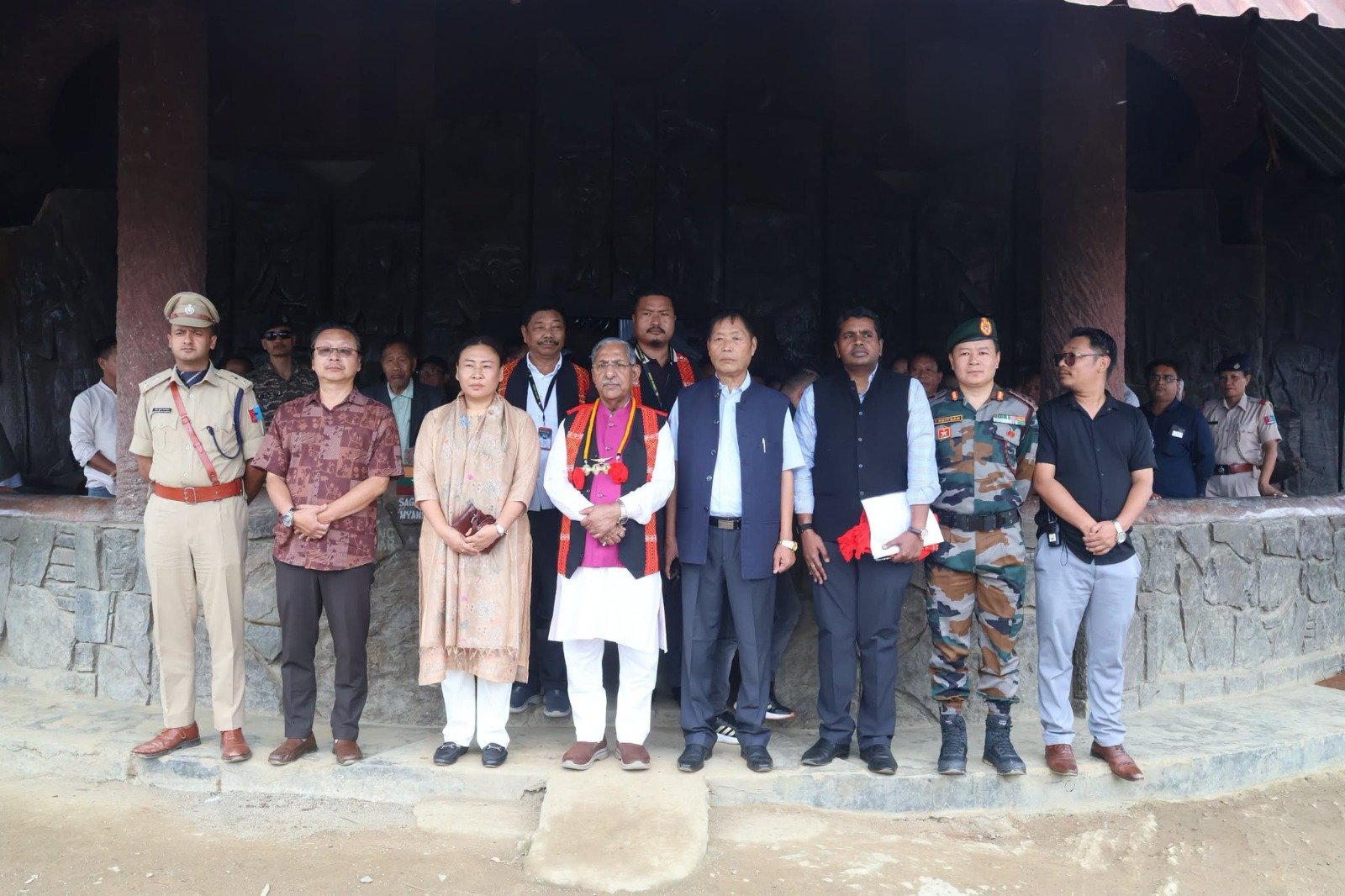
Nagaland Governor Nand Kishore Yadav has reportedly visited landslide-hit Longwa village in Mon district to assess the situation and review rehabilitation requirements. The visit brings attention to the challenges facing residents affected by landslides in the remote border region.
The Governor’s field assessment focuses on the immediate difficulties faced by affected families and the measures needed to restore normal conditions. Moreover, the visit could help authorities identify gaps in relief, infrastructure, and rehabilitation efforts.
The assessment comes as landslide-prone areas across Nagaland continue to face connectivity and safety challenges during adverse weather conditions.
Meghalaya Pineapples Hit Bengaluru: Premium Khasi Pineapples Reach Major Indian Metros
Governor Visits Landslide-Hit Longwa
The Longwa landslide assessment involved Governor Nand Kishore Yadav visiting the affected village to observe the situation on the ground.
A direct field visit allows officials to understand the impact more clearly than relying solely on administrative reports. Furthermore, local residents can communicate their concerns directly to senior authorities during such assessments.
The visit could therefore help shape the government’s rehabilitation response.
Rehabilitation Needs Under Review
The Governor’s visit reportedly focused on assessing the requirements of affected residents.
Rehabilitation can involve restoring damaged homes, roads, public infrastructure, and basic services. Additionally, authorities may need to identify families requiring temporary accommodation or other forms of assistance.
The scale of these requirements will depend on the extent of damage in the affected areas.
Longwa Faces Difficult Terrain
Longwa lies in Mon district, an area characterised by hilly terrain and remote settlements.
Such geography can make disaster response more difficult, particularly when landslides damage roads or isolate communities. Moreover, limited connectivity can delay the movement of relief materials, medical teams, and heavy equipment.
Authorities therefore need to account for geographical challenges when planning rehabilitation.
Landslides Threaten Connectivity
Landslides can disrupt roads that serve as vital links between remote villages and larger towns.
Blocked routes can affect access to markets, schools, healthcare facilities, and government services. Furthermore, repeated slope failures can delay repair work and create uncertainty for communities.
Restoring reliable connectivity will therefore remain an important part of the recovery process.
Local Residents Need Immediate Support
Affected families may require assistance while authorities assess the full extent of the damage.
Emergency support can include food, drinking water, temporary shelter, healthcare, and other essential services. Additionally, authorities may need to identify particularly vulnerable residents who require specialised assistance.
A detailed field assessment can help determine these priorities.
Infrastructure Assessment Remains Important
Landslides can damage more than residential structures.
Roads, drainage systems, electricity infrastructure, communication networks, and public facilities may also require inspection. Moreover, repairing infrastructure without addressing underlying slope instability could leave the area vulnerable to future incidents.
Technical assessments will therefore be important before major reconstruction begins.
Weather Conditions Could Affect Recovery
Ongoing rainfall can complicate landslide recovery.
Fresh rainfall may destabilise already weakened slopes and create additional hazards. Furthermore, poor weather can restrict the movement of machinery and personnel into remote areas.
Authorities may therefore need to adjust rehabilitation work according to local weather and ground conditions.
Coordination Between Agencies Needed
Effective rehabilitation often requires cooperation between multiple government departments.
District administration, disaster-management authorities, public works agencies, health officials, and local representatives may all have roles to play. Additionally, coordination can help prevent duplication and ensure that urgent needs receive attention first.
The Governor’s assessment could help strengthen this coordination.
Long-Term Risk Reduction Matters
Rehabilitation should address both immediate damage and future landslide risks.
Authorities could examine drainage improvements, slope stabilisation, road engineering, retaining structures, and monitoring systems. Moreover, identifying vulnerable locations can help communities prepare for future emergencies.
Long-term planning can therefore complement immediate relief.
What Happens Next?
The next stage will involve translating the field assessment into concrete rehabilitation measures.
Authorities may evaluate infrastructure damage, identify affected families, estimate restoration requirements, and prioritise urgent interventions. Furthermore, local administration can continue monitoring the affected area for additional slope movement.
The recovery process will depend on the scale of damage and prevailing ground conditions.
Conclusion
The visit by Nagaland Governor Nand Kishore Yadav to landslide-hit Longwa village has brought senior-level attention to rehabilitation requirements in Mon district. The field assessment provides an opportunity to understand the challenges faced by residents and evaluate the infrastructure damage.
Moreover, effective recovery will require coordination between district authorities, technical agencies, and local communities. At the same time, authorities must consider continuing landslide risks while planning reconstruction and restoring connectivity.
Overall, the Longwa landslide assessment highlights the importance of combining immediate relief with long-term disaster-resilience measures for vulnerable communities in Nagaland.
FAQs
1. Where did Governor Nand Kishore Yadav visit?
The Governor reportedly visited Longwa village in Mon district, Nagaland, following landslide impacts.
2. Why was the visit conducted?
The visit aimed to assess the situation and understand rehabilitation requirements for affected residents.
3. What rehabilitation measures could be required?
Authorities may need to address damaged homes, roads, public infrastructure, utilities, and other essential services.
4. Why is Longwa vulnerable to landslides?
Its mountainous terrain and challenging road connectivity can increase the difficulties associated with landslide risks and disaster response.
5. What is important for long-term recovery?
Alongside rebuilding damaged infrastructure, authorities need to consider drainage, slope stabilisation, monitoring, and other measures that can reduce future landslide risks.