


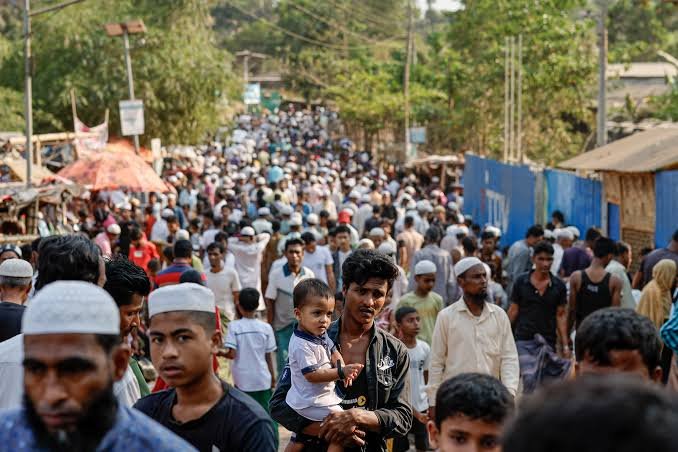
More than 6,600 displaced citizens continue to receive shelter across 38 state-run relief camps as authorities maintain emergency support for communities affected by the ongoing crisis. The camps remain an important part of the state’s response, providing displaced families with temporary accommodation and access to essential assistance.
The continued occupancy indicates that many affected residents have not yet been able to return home. Moreover, authorities must maintain adequate supplies, sanitation, healthcare, and other essential services while the displacement continues.
The situation also highlights the importance of transitioning from immediate relief toward longer-term rehabilitation as conditions improve.
Meghalaya Pineapples Hit Bengaluru: Premium Khasi Pineapples Reach Major Indian Metros
Relief Camps Continue Supporting Displaced Families
The relief camps remain operational as more than 6,600 people continue to seek temporary shelter.
State-run facilities provide displaced residents with a safer place to stay while authorities assess conditions in affected areas. Furthermore, maintaining these facilities requires regular coordination between district administrations, relief agencies, healthcare workers, and local volunteers.
The continued presence of thousands of residents demonstrates the scale of the ongoing displacement.
38 State-Run Camps Provide Shelter
Authorities have established 38 relief camps to accommodate affected residents.
Each camp may require regular supplies of food, drinking water, medicines, sanitation materials, and other necessities. Additionally, officials must monitor camp conditions as the number of residents changes.
Keeping the camps adequately resourced will remain an important administrative priority.
More Than 6,600 People Remain Displaced
The figure of more than 6,600 displaced citizens indicates that many families still face difficulties returning to their homes.
Damage to houses, roads, agricultural land, or essential infrastructure can prevent immediate resettlement. Moreover, residents may need assurances that their communities remain safe before authorities can facilitate returns.
The government will therefore need to assess conditions beyond simply monitoring shelter numbers.
Essential Services Remain Important
Relief camps must provide more than temporary accommodation.
Residents need access to clean water, food, sanitation, medical assistance, and basic hygiene facilities. Furthermore, children and elderly residents may require additional support during prolonged displacement.
Regular health and safety monitoring can help authorities address emerging concerns quickly.
Healthcare Support Needed in Camps
Large groups living in temporary facilities can face increased health challenges.
Medical teams may need to monitor common illnesses, injuries, and other health concerns among residents. Additionally, maintaining sanitation and clean drinking-water supplies can help reduce preventable health risks.
Continued healthcare access will therefore remain essential while camps remain open.
Children and Families Face Disruption
Displacement can interrupt children’s education and everyday routines.
Authorities and local volunteers may need to provide educational activities or temporary learning arrangements when normal schools cannot operate. Moreover, families may require assistance in replacing essential belongings lost or damaged during the crisis.
Support programmes can help reduce the disruption caused by prolonged displacement.
Camp Management Requires Coordination
Managing 38 relief camps requires continuous logistical planning.
District officials must track occupancy, distribute supplies, coordinate medical assistance, and respond to requests from residents. Furthermore, effective communication can help ensure that vulnerable families receive appropriate support.
Coordination becomes particularly important when people move between camps or begin returning home.
Returning Home Requires Safety Assessments
Authorities cannot encourage residents to return until affected areas become sufficiently safe.
Officials may need to inspect houses, roads, bridges, drainage systems, and other infrastructure. Additionally, continuing weather hazards or unstable conditions could delay resettlement.
A carefully managed return process can help prevent displaced families from facing additional risks.
Rehabilitation Will Follow Relief
Emergency shelter represents only the first stage of disaster recovery.
Once immediate conditions stabilise, authorities will need to address damaged homes, livelihoods, infrastructure, and public facilities. Moreover, families who lost income or property may require longer-term financial and livelihood support.
The transition from relief camps to permanent rehabilitation will therefore require careful planning.
Local Communities Support Relief Operations
Community volunteers can play an important role in maintaining relief operations.
Local residents and voluntary organisations can assist with food distribution, information sharing, transportation, and other support activities. Furthermore, community participation can help authorities identify needs that may not appear in administrative assessments.
Such cooperation can strengthen the overall relief response.
What Happens Next?
The immediate priority remains keeping all 38 relief camps adequately supplied and ensuring the safety of the more than 6,600 residents staying there.
Authorities will also need to monitor conditions in affected communities and determine when families can safely return. Additionally, rehabilitation plans should address housing, livelihoods, infrastructure, and other long-term needs.
The number of people in relief camps could gradually decline as recovery progresses.
Conclusion
The continued operation of 38 state-run relief camps, sheltering more than 6,600 displaced citizens, demonstrates the ongoing scale of the crisis. The facilities remain essential for families who cannot yet safely return home.
Moreover, authorities must maintain food, water, healthcare, sanitation, and other basic services while residents remain displaced. At the same time, long-term rehabilitation and safe resettlement will become increasingly important as emergency conditions improve.
Overall, the relief camps’ continued operation provides vital temporary support while authorities work toward restoring normal life for affected communities.
FAQs
1. How many people remain in relief camps?
More than 6,600 displaced citizens reportedly continue to receive shelter.
2. How many relief camps remain operational?
Authorities are operating 38 state-run relief camps.
3. What services do relief camps provide?
Camps typically provide temporary shelter alongside food, drinking water, sanitation, healthcare, and other essential assistance.
4. Why have residents not returned home?
Some families may remain displaced because their homes or surrounding infrastructure remain damaged or conditions are not yet considered safe.
5. What happens after emergency relief?
Authorities will need to focus on safe resettlement, housing repairs, livelihood recovery, infrastructure restoration, and longer-term rehabilitation.