


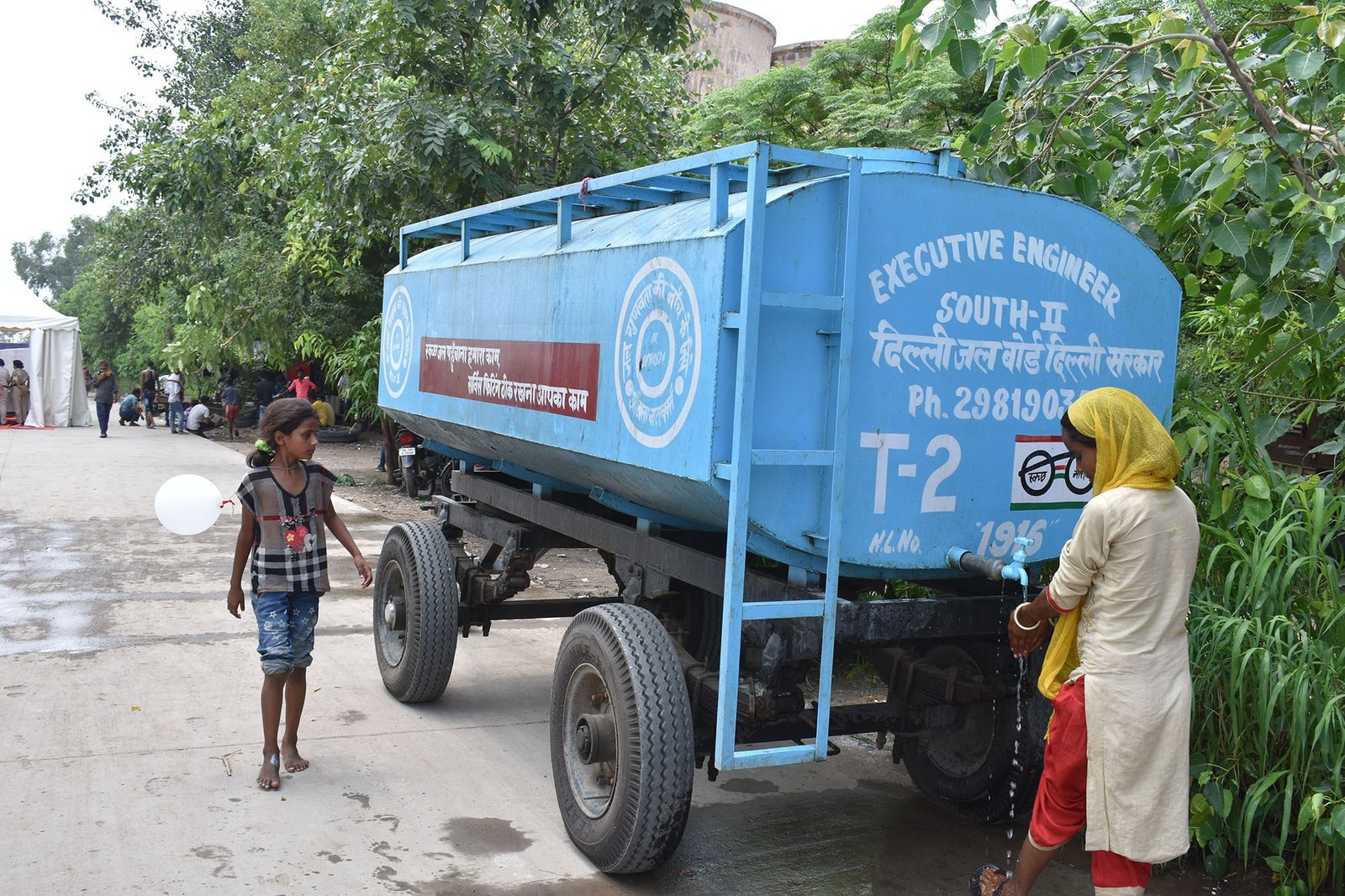
The Drinking Water Logistics operation has been expanded after mobile purification trucks were dispatched to remote waterlogged relief camps. The initiative aims to ensure access to safe drinking water for displaced residents while authorities continue managing relief efforts in areas affected by flooding and persistent monsoon conditions.
Drinking Water Logistics Mobilized for Remote Relief Camps
The Drinking Water Logistics initiative moved into action after authorities deployed mobile purification trucks to remote relief camps affected by waterlogging. According to the available information, the vehicles have been dispatched to provide purified drinking water to people staying in flood-affected camps.
Access to safe drinking water remains a priority during disaster response operations. Moreover, water purification units help reduce dependence on damaged or contaminated local water sources while supporting relief activities.
Mobile purification systems can treat and distribute potable water directly at relief locations. Consequently, their deployment strengthens emergency water supply operations in areas where conventional infrastructure may be disrupted.
Although purification trucks have been dispatched, officials have not disclosed the number of camps receiving assistance or the volume of water being supplied.
Drinking Water Logistics Supports Public Health During Relief Operations
The Drinking Water Logistics effort plays an important role in protecting public health during emergency situations. Reliable access to clean drinking water helps meet the immediate needs of people living in temporary relief camps.
Furthermore, mobile purification technology enables authorities to produce safe drinking water closer to affected communities. This approach improves operational efficiency while reducing transportation challenges in remote or waterlogged areas.
Disaster management agencies often prioritize drinking water alongside food, medical assistance, and shelter during relief operations. Therefore, deploying purification trucks forms an essential part of coordinated humanitarian response efforts.
The latest initiative reflects the administration’s continued focus on maintaining basic services in flood-affected regions.
Drinking Water Logistics Enhance Emergency Response Capacity
The Drinking Water Logistics operation demonstrates the importance of mobile infrastructure during disaster response. Water purification trucks allow emergency teams to deliver essential services even when permanent water supply systems become difficult to access.
Moreover, relief agencies coordinate with local administrations to identify camps requiring immediate assistance. Efficient planning also helps ensure that purified drinking water reaches vulnerable communities without unnecessary delays.
Emergency logistics depend on flexibility, coordination, and rapid deployment. Consequently, mobile purification units strengthen the overall effectiveness of relief operations during adverse weather conditions.
According to the available information, the trucks remain deployed to support remote relief camps experiencing waterlogging.
Drinking Water Logistics Reflect Continued Relief Preparedness
The Drinking Water Logistics initiative also highlights the importance of preparedness in disaster management. Maintaining mobile purification capabilities enables authorities to respond quickly whenever emergencies affect access to safe drinking water.
Furthermore, coordinated efforts between disaster management agencies, water supply departments, and local administrations improve the delivery of essential public services. Such collaboration strengthens the resilience of emergency response systems during natural disasters.
Reliable drinking water remains one of the most critical requirements in relief operations. Therefore, investments in mobile purification infrastructure contribute to more effective humanitarian assistance during floods and other emergencies.
The current deployment reflects the government’s ongoing commitment to supporting flood-affected communities through organized relief measures.
Conclusion
The Drinking Water Logistics operation has been strengthened with the deployment of mobile purification trucks to remote waterlogged relief camps. The initiative underscores the importance of ensuring access to safe drinking water for communities affected by flooding.
Furthermore, mobile purification systems improve emergency response by providing reliable drinking water where conventional supply networks face disruption. Coordinated relief efforts also enhance public health protection during challenging weather conditions.
Overall, Logistics initiative demonstrates the significance of proactive planning and efficient resource deployment in disaster management. As relief operations continue, authorities are expected to maintain support for affected communities while monitoring evolving conditions.
FAQs
1. What is the Drinking Water Logistics initiative?
The Logistics initiative involves the deployment of mobile purification trucks to provide safe drinking water to remote waterlogged relief camps.
2. Why were mobile purification trucks dispatched?
According to the available information, the trucks were sent to ensure access to purified drinking water in flood-affected relief camps.
3. Who benefits from the Drinking Water Logistics operation?
The initiative supports residents staying in remote waterlogged relief camps.
4. Have officials disclosed how many camps received the trucks?
Based on the available information, authorities have not announced the number of camps covered by the operation.
5. Why is safe drinking water important during disaster relief?
Access to safe drinking water helps protect public health and supports essential humanitarian relief efforts during emergencies.