


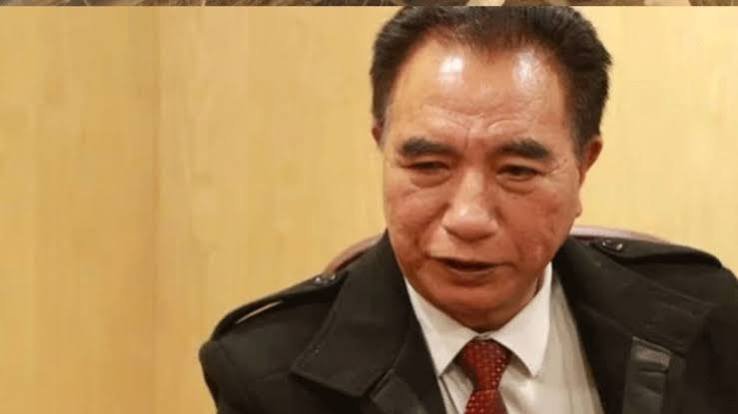
Christian bodies in Mizoram, including the Council of Churches in Mizoram, joined Chief Minister Lalduhoma in coordinated social media appeals urging the Central Government to reconsider operational barriers proposed under the FCRA Amendment Bill 2026.
The campaign reflects concerns among church organisations and other Christian bodies about how proposed changes could affect their ability to manage foreign contributions and conduct charitable activities. Moreover, the coordinated appeal has brought the proposed legislation into sharper focus in Mizoram.
The issue has also become part of a wider debate over regulation, transparency, and the operational freedom of organisations receiving foreign contributions.
Nisha JamVwal At Jeffrey Archers star studded wedding Anniversary
FCRA Amendment Bill Faces Opposition
The FCRA Amendment Bill 2026 has attracted concern from Christian organisations in Mizoram over provisions they believe could create additional operational difficulties.
Church bodies have used social media to communicate their concerns and request reconsideration from the Central Government. Furthermore, their campaign highlights the importance of foreign contributions for organisations involved in religious, charitable, educational, and community activities.
The debate centres on how regulation can balance accountability with operational practicality.
Council of Churches Joins Appeal
The Council of Churches in Mizoram has participated in the coordinated campaign against provisions viewed as restrictive.
Church organisations have called for greater consideration of the practical consequences of the proposed changes. Additionally, they want the government to examine how new compliance requirements could affect organisations working across communities.
Their intervention adds an organised institutional voice to the ongoing discussion.
Lalduhoma Supports Reconsideration
Chief Minister Lalduhoma has also expressed support for reconsidering concerns surrounding the proposed FCRA changes.
His position has given the issue greater political visibility within Mizoram. Moreover, the Chief Minister’s involvement reflects the sensitivity of foreign-contribution regulations in a state where churches and civil-society organisations play significant community roles.
The appeal seeks dialogue rather than an immediate confrontation over the legislation.
Concerns Over Operational Barriers
The primary concern centres on potential operational barriers that organisations could face under the proposed framework.
Additional compliance requirements can increase administrative responsibilities for organisations that rely on foreign contributions. Furthermore, smaller organisations may find complex regulatory procedures particularly difficult to manage.
Church bodies therefore want policymakers to consider the practical implications before implementing major changes.
FCRA Rules Govern Foreign Contributions
The Foreign Contribution Regulation Act (FCRA) provides the legal framework governing the receipt and use of foreign contributions by eligible organisations in India.
The framework aims to ensure that foreign funds remain transparent and comply with national regulations. However, organisations receiving such funds must also meet various compliance requirements.
The proposed amendment has consequently prompted discussion about the appropriate balance between regulation and organisational functioning.
Transparency and Compliance Remain Important
Regulation of foreign contributions serves an important public-interest purpose.
Authorities need mechanisms to monitor how foreign funds enter the country and how organisations use them. Additionally, strong compliance systems can help prevent misuse of funds and improve financial transparency.
At the same time, organisations argue that compliance rules should remain practical and proportionate.
Churches Highlight Community Work
Christian organisations in Mizoram undertake activities across areas such as education, healthcare, social welfare, and community support.
They argue that regulatory changes affecting foreign contributions could influence the way some organisations conduct these activities. Moreover, additional administrative requirements could require greater financial and human resources.
The organisations therefore want the government to consider the wider community implications of the proposed provisions.
Social Media Becomes a Platform for Advocacy
The coordinated appeal has largely used social media to communicate concerns to the Central Government and the public.
Digital platforms allow organisations to reach supporters and policymakers quickly. Furthermore, coordinated online messaging can increase visibility around legislative issues and encourage wider public discussion.
The campaign demonstrates how social media has become an important tool for civic and policy advocacy.
Mizoram’s Political Response
The issue has generated a notable political response in Mizoram.
Lalduhoma’s involvement places the state government’s concerns alongside those raised by Christian bodies. Additionally, the state’s political leadership can use such engagement to communicate regional perspectives on national legislation.
The development could therefore contribute to further discussions between Mizoram and the Centre.
Dialogue Remains Central
The organisations’ appeal focuses on reconsideration of the provisions rather than simply opposing regulation of foreign contributions.
A dialogue-based approach could allow policymakers to examine concerns raised by affected organisations while retaining appropriate safeguards. Moreover, consultations could help identify practical solutions to compliance challenges.
Such engagement may become important as the legislative process progresses.
Potential Impact on Organisations
If operational requirements become more demanding, organisations may need to strengthen their internal compliance systems.
Smaller organisations could face greater administrative pressure than larger institutions. Furthermore, organisations may need additional expertise to manage reporting and financial requirements effectively.
These potential effects explain why church bodies are asking policymakers to reconsider specific provisions.
What Happens Next?
The debate will depend on how the Central Government responds to the concerns raised by Mizoram’s Christian organisations and political leadership.
Further consultation could provide an opportunity to clarify disputed provisions and examine their practical consequences. Additionally, the legislative process may allow stakeholders to present detailed recommendations.
The issue is likely to remain an important subject of discussion in Mizoram.
Conclusion
The FCRA Amendment Bill 2026 has triggered coordinated appeals from Christian bodies in Mizoram, including the Council of Churches in Mizoram, with Chief Minister Lalduhoma also calling for reconsideration of operational concerns.
Moreover, the debate reflects a broader challenge of balancing effective regulation and financial transparency with the practical functioning of organisations that receive foreign contributions. At the same time, continued dialogue between stakeholders and the Central Government could help address concerns surrounding compliance and implementation.
Overall, the coordinated campaign highlights the strong interest in Mizoram over how proposed FCRA changes could affect religious, charitable, and community organisations operating in the state.
FAQs
1. What is the FCRA Amendment Bill 2026?
The proposed legislation seeks to amend India’s regulatory framework governing foreign contributions received by eligible organisations.
2. Why are Christian bodies in Mizoram concerned?
They have raised concerns about operational and compliance barriers that they believe could affect organisations receiving foreign contributions.
3. Has CM Lalduhoma supported the concerns?
Yes. Lalduhoma has joined calls for the Central Government to reconsider the concerns surrounding the proposed changes.
4. Why is FCRA regulation important?
FCRA regulation provides mechanisms for monitoring foreign contributions and promoting financial accountability and transparency.
5. What are the organisations asking for?
The organisations are seeking reconsideration of provisions they consider operationally restrictive and greater consideration of their practical impact.