


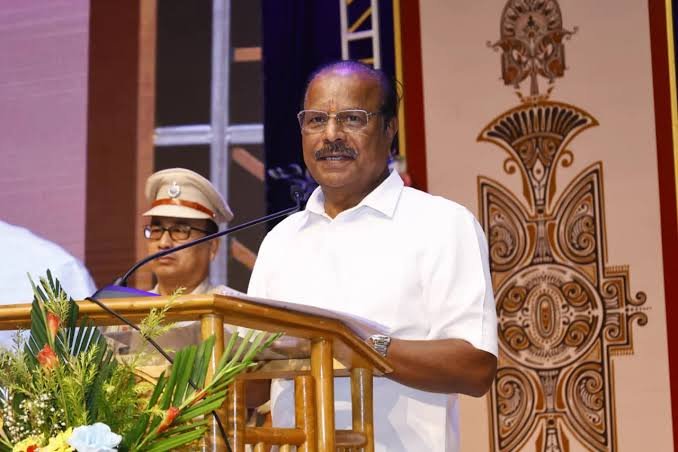
Tripura Governor Indrasena Reddy Nallu inaugurated the Bir Bikram Ekta Camp 2026 at the Tripura Institute of Technology (TIT), Narsingarh, on October 2. The 10-day programme has brought together NCC cadets representing 17 NCC Directorates from different parts of the country. The camp focuses on national integration, cultural exchange, discipline, leadership and youth development.
The inaugural programme took place at the A.P.J. Abdul Kalam Auditorium on the TIT campus. The 13 Tripura Battalion NCC organised the camp under the aegis of the NCC Directorate, North Eastern Region. Officials from the NCC, armed forces and Assam Rifles attended the opening ceremony along with participating cadets.
Sikkim Special Gram Sabha Drives Awareness of Watershed Schemes and SHG Livelihoods
Bir Bikram Ekta Camp 2026 Brings Cadets Together
The Bir Bikram Ekta Camp 2026 provides a national platform for young NCC cadets to interact with peers from different regions. According to reports, cadets from 17 NCC Directorates are participating in the 10-day programme in Tripura.
The camp has been designed around the broader objective of national integration. Cadets can experience traditions from other parts of India while also learning about Tripura’s history, culture and social diversity.
Moreover, the programme places emphasis on discipline and teamwork. These qualities remain central to NCC activities and can help young participants develop confidence, responsibility and a stronger sense of cooperation.
The participation of cadets from different states also creates opportunities for cultural interaction. Participants can share regional traditions, performances and experiences while developing friendships beyond their respective states.
The organisers have therefore positioned the Bir Bikram Ekta Camp 2026 as more than a routine NCC gathering. It combines youth development with cultural understanding and exposure to the Northeast.
Governor Highlights Unity in Diversity
Governor Indrasena Reddy Nallu addressed the cadets during the inaugural programme and highlighted Tripura’s cultural diversity and tradition of communal harmony. He described the state as a place where different communities have lived together while maintaining their distinctive cultural traditions.
The Governor also encouraged the participating cadets to become ambassadors of unity after returning to their schools, colleges and communities. He stressed the importance of discipline, patriotism, social responsibility and service among young people.
Furthermore, Nallu spoke about India’s development in areas including digital innovation, space exploration, infrastructure and social welfare. He encouraged the cadets to maintain ambitious goals and contribute positively to the country’s development.
His address also connected the purpose of the camp with the broader idea of unity in diversity. Since the participants come from different regions, the programme offers them an opportunity to understand India’s varied cultural traditions through direct interaction.
The Governor particularly appreciated the 13 Tripura Battalion NCC for organising the Bir Bikram Ekta Camp and Special National Integration Camp. He expressed confidence that participating cadets would carry the messages of friendship, discipline and national integration back to their respective communities.
Cultural Exchange Forms Core of Camp Activities
Cultural exchange remains one of the central components of the Bir Bikram Ekta Camp 2026. The opening programme featured patriotic and folk-cultural presentations by NCC cadets, allowing participants to showcase different traditions.
The inaugural ceremony also included a welcome address, the National Song, ceremonial lamp lighting and a short film highlighting the objectives and activities of the camp. The programme concluded with the National Anthem and NCC Song.
Cadets from states including Uttar Pradesh and Haryana reportedly looked forward to presenting their regional traditions and learning about the cultural practices of Tripura and the wider Northeast. This exchange gives participants a direct opportunity to understand traditions that may be unfamiliar to them.
Meanwhile, the programme extends beyond the inaugural ceremony. Subsequent activities have included educational, historical, environmental and cultural visits across Tripura.
Around 400 participating cadets later visited important locations including Mata Tripureswari Temple at Udaipur, Sepahijala Wildlife Sanctuary, Neermahal at Melaghar and the Akhaura border area. These visits were designed to provide exposure to Tripura’s heritage, biodiversity and geographical significance.
The combination of classroom-style interaction, cultural programmes and field visits gives the camp a broader educational character. Cadets can experience the state directly while interacting with people and communities outside the camp environment.
NCC Activities Promote Youth Leadership and Responsibility
The Bir Bikram Ekta Camp 2026 also highlights the NCC’s wider role in youth development. The organisation brings young people together through activities that emphasise discipline, teamwork, leadership and social responsibility.
At the inaugural event, Brigadier Nishant Chandel, Commander of 21 Sector Assam Rifles, addressed the gathering. He highlighted discipline, teamwork, national service and youth participation in nation-building.
The opening day also featured a special demonstration by Assam Rifles at the TIT campus. The programme gave participating cadets an opportunity to gain general awareness of the functioning of the armed forces.
Beyond the opening ceremony, the camp’s field activities have included environmental awareness and adventure-oriented experiences. The visit to Sepahijala Wildlife Sanctuary introduced cadets to Tripura’s biodiversity, while the visit to Neermahal exposed them to the state’s royal and architectural heritage.
The cadets also visited the Akhaura Integrated Check Post and adjoining border area. This provided an opportunity to understand the geographical and strategic importance of Tripura’s location along the international border.
Additionally, the camp has included recreational and adventure activities. These programmes are intended to build confidence and encourage participants to approach unfamiliar environments with responsibility and cooperation.
Tripura Provides Platform for National Integration
Hosting the Bir Bikram Ekta Camp 2026 in Tripura gives the state an opportunity to present its cultural and natural identity to young people from across India. The programme brings together participants who may have limited previous exposure to the Northeast.
Tripura’s historical landmarks, indigenous traditions, Bengali cultural influences and natural landscapes provide a broad setting for cultural learning. The Governor’s address also emphasised the state’s tradition of communal harmony and its place within India’s diverse cultural landscape.
The field visits reinforce that objective. By travelling to heritage sites, wildlife areas and the border region, cadets can gain a more practical understanding of the state’s geography and history.
Furthermore, direct interaction among cadets can strengthen mutual understanding. Participants can discuss their own regional customs while learning about other communities, which supports the camp’s national integration objective.
The programme also places Tripura’s youth institutions and NCC infrastructure in a wider national setting. TIT Narsingarh has provided the venue for the inaugural event, while the 13 Tripura Battalion NCC has coordinated the programme.
As the 10-day camp continues, participating cadets are expected to take part in additional cultural and educational activities. The experience can therefore extend beyond the duration of the event by encouraging participants to share what they learned after returning home.
Conclusion
The Bir Bikram Ekta Camp 2026 has brought NCC cadets from 17 NCC Directorates to Tripura for a programme centred on national integration, cultural exchange and youth development. Governor Indrasena Reddy Nallu inaugurated the camp at TIT Narsingarh and urged cadets to promote unity, discipline and social responsibility.
The programme combines cultural performances with educational visits and interactions. Its activities across Tripura also give participants exposure to the state’s heritage, biodiversity and geographical importance.
By bringing young people from different parts of India together, the camp provides a practical setting for understanding cultural diversity. The initiative also gives Tripura an opportunity to showcase its heritage while strengthening the bonds of friendship among NCC cadets.
FAQs
What is the Bir Bikram Ekta Camp 2026?
The Bir Bikram Ekta Camp 2026 is a 10-day NCC programme in Tripura focused on national integration, cultural exchange, discipline, youth development and friendship among cadets from different regions.
Where was the camp inaugurated?
The Bir Bikram Ekta Camp 2026 was inaugurated at the A.P.J. Abdul Kalam Auditorium of Tripura Institute of Technology at Narsingarh in Agartala.
Who inaugurated the Bir Bikram Ekta Camp 2026?
Tripura Governor Indrasena Reddy Nallu inaugurated the camp on October 2, 2026, and addressed the participating NCC cadets.
How many NCC Directorates are represented at the camp?
Reports state that NCC cadets representing 17 NCC Directorates are participating in the camp.
What activities are included in the camp?
The programme includes cultural performances, educational interactions, heritage visits, environmental exposure and visits to important locations across Tripura. Participating cadets have visited sites such as Neermahal, Sepahijala Wildlife Sanctuary, Mata Tripureswari Temple and the Akhaura border area.