


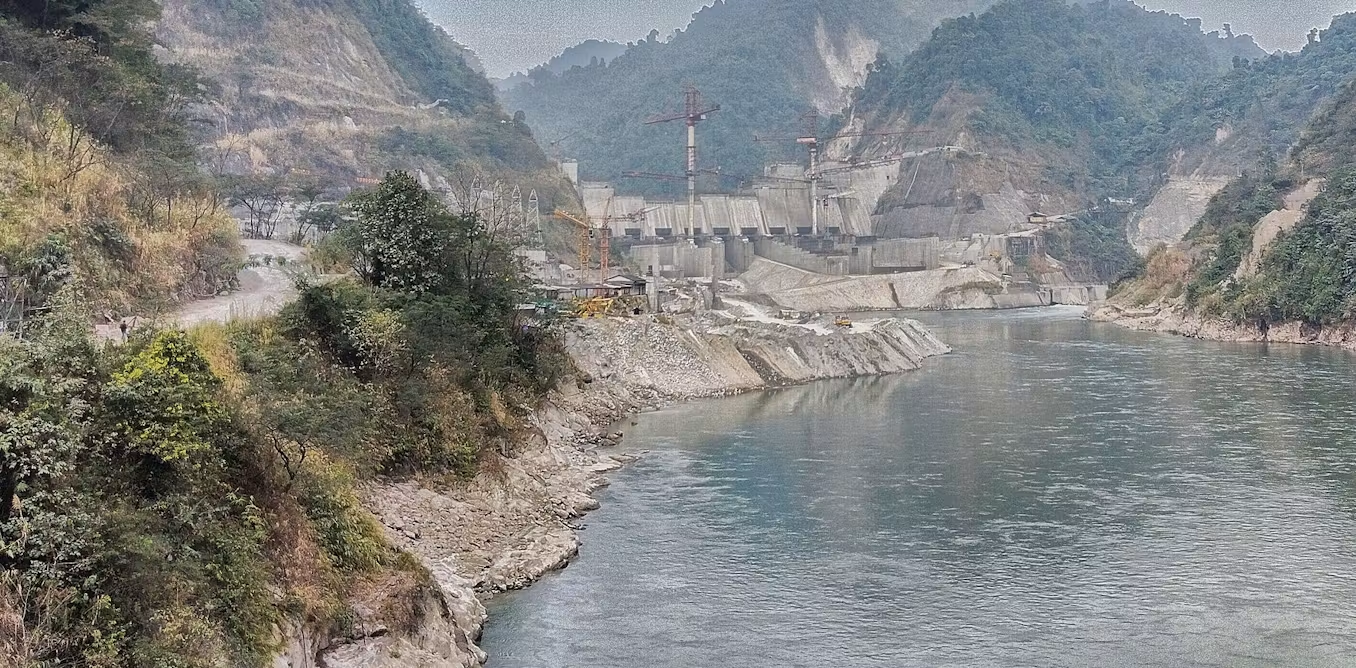
The Hydro Power Project Protests have intensified as local political factions debate the environmental impact of upcoming mega-dam projects. The proposed developments have generated discussion around power generation, economic growth and ecological protection. Moreover, different political groups have expressed contrasting views about the potential consequences for local communities and the environment. The debate highlights the challenge of balancing development needs with long-term environmental concerns.
Tripura House Voter Verification Set for September 15 to October 14, 2026
Hydro Power Project Protests Focus on Environmental Impact
The Hydro Power Project Protests centre on concerns about the ecological impact of large hydropower developments. Mega-dam projects can transform river systems and surrounding landscapes, making environmental assessment an important part of the planning process.
Moreover, local political groups have raised questions about how upcoming projects could affect forests, rivers, wildlife and communities located near proposed development areas.
Environmental concerns can also involve changes to river flow, construction activity and the wider ecological balance of affected regions.
Therefore, supporters and critics continue to examine the potential benefits and risks associated with large hydropower projects.
Furthermore, proper environmental assessment can help identify potential risks before construction begins.
Meanwhile, communities living near proposed project areas often seek clarity about how development could affect their livelihoods and surroundings.
Consequently, the debate has expanded beyond electricity generation to include questions about environmental sustainability and local interests.
Political Factions Debate Mega-Dam Plans
The Hydro Power Project Protests have also created a political debate over the direction of energy development. Different local factions have taken varying positions on the proposed mega-dam projects.
Moreover, supporters can argue that hydropower projects can increase electricity generation, improve infrastructure and contribute to economic development.
On the other hand, critics may focus on environmental risks and the potential impact on communities and natural resources.
Therefore, political discussions have increasingly centred on how authorities should balance development objectives with ecological safeguards.
Additionally, disagreements over large infrastructure projects can influence local political discourse because their effects may extend across multiple communities.
Meanwhile, policymakers must consider technical assessments, environmental requirements and the concerns raised by affected stakeholders.
However, political disagreements alone cannot determine the environmental impact of a project. Detailed scientific assessments and established regulatory procedures remain important.
Consequently, the debate could encourage greater public attention toward environmental studies and project planning.
The discussion also demonstrates the importance of transparent communication when authorities consider major infrastructure developments.
Hydropower Development Raises Community Concerns
The Hydro Power Project Protests also highlight the role of local communities in discussions surrounding major infrastructure projects.
Large dams can influence surrounding areas in different ways. While projects can create employment and improve infrastructure, communities may also raise concerns about land, forests, water resources and changes to local livelihoods.
Moreover, residents often want authorities to provide clear information about project locations, timelines and potential environmental consequences.
Therefore, consultation can play an important role before major construction activities begin.
Furthermore, transparent assessments can help communities understand both the potential benefits and possible risks associated with hydropower development.
Meanwhile, government agencies and project authorities need to follow applicable environmental and administrative procedures.
However, every project has its own geographical and ecological characteristics. Authorities consequently need to evaluate each proposal according to its specific circumstances rather than relying on general assumptions.
Additionally, continued dialogue can help identify concerns early and provide opportunities for stakeholders to raise legitimate questions.
The political debate surrounding the projects therefore reflects broader discussions about sustainable development and community participation.
Ultimately, balancing energy requirements with environmental protection remains central to the issue.
Hydro Power Debate Could Shape Future Development
The Hydro Power Project Protests could continue as proposed mega-dam projects move through their respective planning and approval processes.
Moreover, future discussions may focus on environmental assessments, regulatory clearances, construction plans and potential effects on local communities.
Authorities can strengthen public confidence by providing accessible information about project studies and mitigation measures.
Furthermore, environmental safeguards can help reduce potential ecological risks when authorities design and implement projects carefully.
Meanwhile, political factions may continue presenting competing arguments about the economic value and environmental consequences of hydropower development.
Therefore, policymakers face the challenge of evaluating energy requirements alongside ecological and social considerations.
However, hydropower remains an important component of renewable electricity generation in many regions. Its development still requires responsible planning because individual projects can have significant local effects.
Additionally, monitoring should continue beyond the approval stage. Environmental conditions and community concerns can change during construction and operation.
Consequently, effective oversight can help ensure that approved projects follow required safeguards.
The ongoing debate also highlights the importance of involving local stakeholders in major development decisions.
Ultimately, the future of mega-dam projects will depend on regulatory assessments, government decisions and the balance between development objectives and environmental protection.
Conclusion
The Hydro Power Project Protests have brought environmental concerns surrounding upcoming mega-dam projects into the political spotlight. Local factions continue to debate the balance between electricity generation, economic development and ecological protection. Moreover, transparent assessments, regulatory oversight and meaningful stakeholder consultation can help address concerns. As the projects progress, careful planning will remain essential to ensure that development objectives do not overlook environmental and community interests.
FAQs
1. What are the Hydro Power Project Protests about?
The protests and political debate concern the potential environmental and community impact of upcoming mega-dam projects.
2. Why are environmental concerns important for hydropower projects?
Large dams can affect river systems, forests, wildlife and surrounding communities, making environmental assessment important.
3. Why do political factions disagree over mega-dams?
Supporters may emphasise electricity generation and economic development, while critics may focus on environmental and community concerns.
4. How can authorities address concerns about mega-dam projects?
Authorities can conduct detailed environmental assessments, follow regulatory requirements and maintain transparent consultation with affected stakeholders.
5. Why are Hydro Power Project Protests significant?
They highlight the broader debate over how governments can pursue energy and infrastructure development while protecting ecosystems and local community interests.