


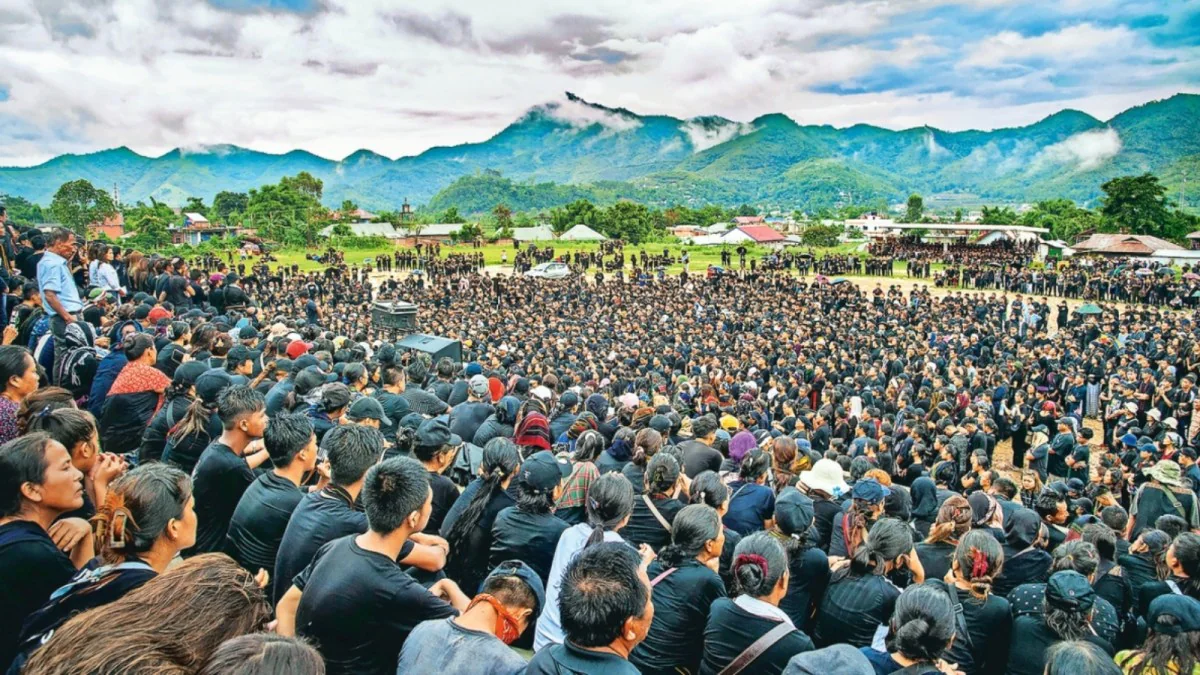
JTC demands Manipur leadership changes as the Joint Tribes Council (JTC) Manipur escalates its stance by publicly calling for the immediate resignation of the state’s Chief Minister and Deputy Chief Minister. The demand marks a significant shift from localized protests and blockades to a broader political challenge directed at the state’s top leadership. The development has attracted attention across Manipur, where political observers, community organizations, and government officials continue to assess the implications of the council’s position. Meanwhile, authorities and stakeholders are closely monitoring public reactions and the evolving political situation.
Youth Congress Launches Statewide Agitation
300 Voters Join Tipra Motha Party Program
JTC Escalates Demands Beyond Local Protests
The JTC demands Manipur leadership accountability through its latest public statement seeking the resignation of senior state leaders. Community representatives argue that the current situation requires stronger political responsibility and decisive action from those holding key executive positions.
According to JTC leaders, the demand follows growing dissatisfaction over issues that they believe require urgent attention from the state government. Moreover, the organization has sought wider public support for its position and encouraged peaceful democratic engagement. The latest development represents a notable escalation compared to previous actions that primarily focused on local grievances and regional concerns.
Furthermore, the council has emphasized that its demands reflect broader concerns expressed by sections of the affected communities.
Political Implications of the Resignation Demand
The JTC demands Manipur leadership changes at a time when political developments in the state remain under close scrutiny. Calls for the resignation of senior leaders often carry significant political implications, particularly when they come from influential community-based organizations.
Consequently, political observers expect increased debate regarding governance, administrative accountability, and public confidence in leadership. Analysts note that such demands can influence public discourse and shape discussions surrounding future policy decisions.
In addition, opposition groups and civil society organizations may closely follow developments to evaluate their potential impact on the state’s political landscape. The situation could therefore contribute to broader conversations about governance and institutional responsiveness.
Focus on Chief Minister and Deputy Chief Minister
The JTC demands Manipur leadership accountability specifically by calling for the resignation of the Chief Minister and Deputy Chief Minister Kipgen. The council has argued that leadership changes are necessary to address concerns raised by community representatives and stakeholders.
Meanwhile, government officials have continued administrative functions and public service delivery across the state. Authorities have not indicated any immediate changes in governance arrangements following the demand. However, the issue has generated significant discussion among political observers and community leaders.
Moreover, stakeholders expect further statements and responses from various groups as the situation continues to develop.
Reactions and Administrative Response
Authorities continue to monitor the developments while maintaining focus on law and order. The JTC demands Manipur leadership changes, but administrative departments remain engaged in routine governance activities and public welfare programs.
Officials have urged all groups to maintain peace and follow democratic and lawful processes while expressing their views. Additionally, security agencies remain vigilant to ensure that public order is preserved during any demonstrations or public gatherings connected to the issue.
Observers emphasize that constructive dialogue between stakeholders remains important for addressing concerns and preventing tensions from escalating further.
Conclusion
The JTC demands Manipur leadership changes through its call for the resignation of the Chief Minister and Deputy Chief Minister, marking a significant escalation in its political stance. While the demand has intensified public and political discussions, state authorities continue to focus on governance and maintaining stability. Furthermore, the coming days may prove important as stakeholders respond to the council’s position and assess its potential impact on Manipur’s political environment.
FAQs
1. What demand has JTC Manipur made?
The Joint Tribes Council Manipur has called for the resignation of the state’s Chief Minister and Deputy Chief Minister.
2. Why is this demand significant?
It represents a shift from localized protests to direct political demands targeting the state’s top leadership.
3. What does the JTC demands Manipur leadership statement involve?
The JTC demands Manipur leadership accountability by seeking immediate resignations from senior government leaders.
4. Has the government announced any leadership changes?
No official announcement regarding leadership changes has been made following the demand.
5. How are authorities responding?
Authorities are monitoring developments while continuing regular governance and public administration activities.
6. What could happen next?
Political discussions, stakeholder responses, and further dialogue may shape how the situation develops in the coming days.