


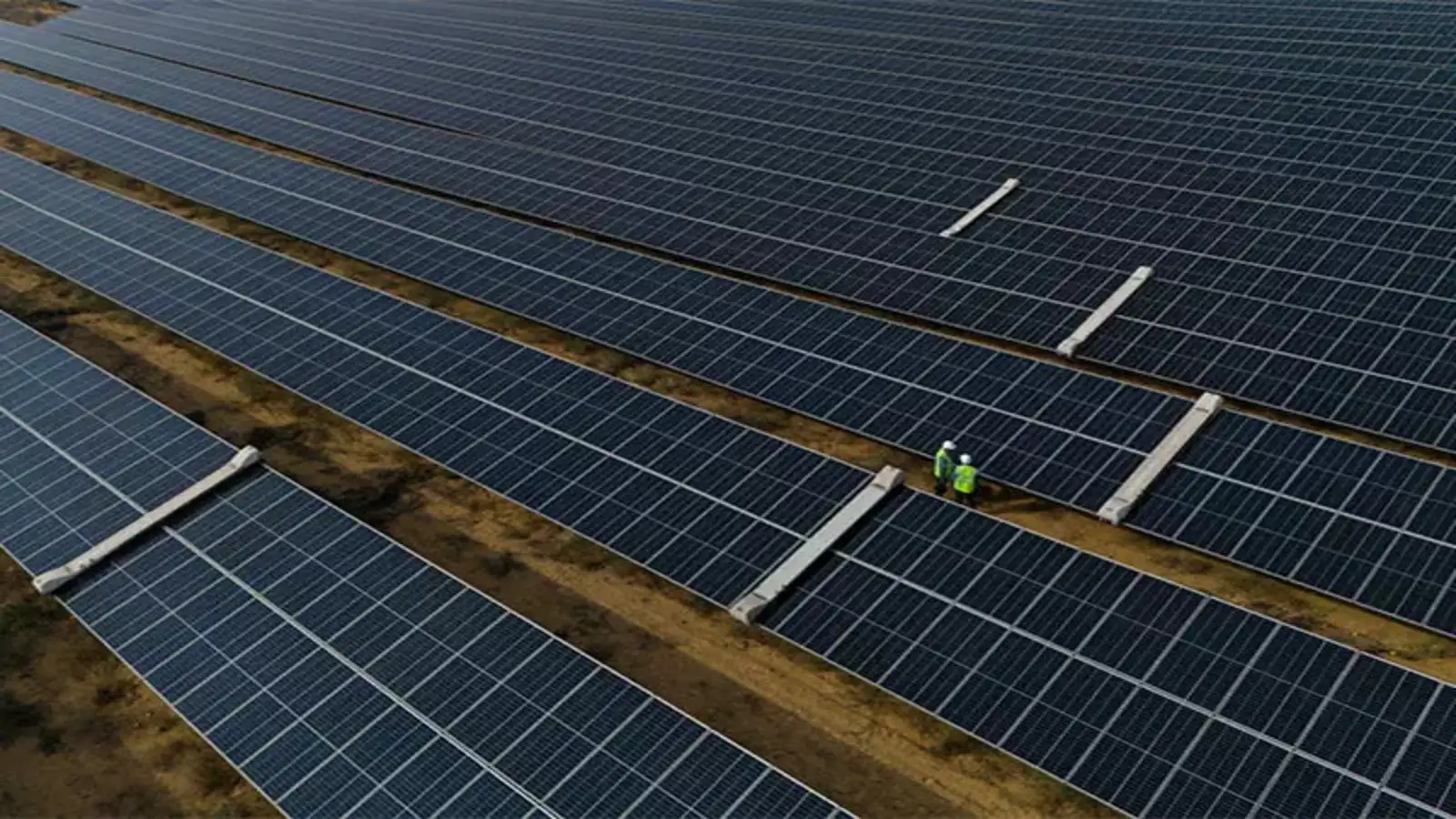
Manipur solar power project plans received major approval after authorities cleared a large-scale renewable energy initiative aimed at strengthening clean electricity generation and expanding sustainable infrastructure across the state. Meanwhile, energy and development officials stated that the proposed solar facility may significantly improve regional power capacity while supporting India’s broader transition toward renewable energy systems. The announcement immediately attracted attention across Northeast India because Manipur continues exploring alternative energy solutions amid rising electricity demand and infrastructure modernization efforts. Additionally, administrative agencies reportedly accelerated planning and coordination activities linked to the implementation phase of the approved project.
The development emerged as renewable energy investment gained momentum across multiple Indian states under national sustainability and climate-focused policy frameworks. Furthermore, energy experts observed that solar infrastructure expansion may help reduce dependence on conventional power sources while improving long-term energy security in remote and geographically challenging regions.
Guwahati Infrastructure Push Nears Major Launch
Mizoram Bamboo Industry Expansion Gets Major Approval
Authorities Approve Large Renewable Energy Initiative
Government officials formally confirmed approval for the major solar infrastructure project in Manipur. Manipur solar power project discussions therefore rapidly expanded across energy, environmental, and economic sectors.
Meanwhile, authorities explained that the initiative aims to strengthen electricity generation capacity while promoting environmentally sustainable development practices. Additionally, planners stated that the project may support long-term energy stability in both urban and rural regions across the state.
Energy department representatives emphasized that renewable power remains increasingly important because electricity demand continues rising alongside economic growth and infrastructure expansion. Furthermore, officials reportedly initiated coordination involving technical assessments, land planning, and grid integration systems linked to the project.
Earlier, policymakers repeatedly highlighted the need for cleaner and more resilient energy systems in Northeast India. Consequently, the latest approval generated optimism regarding future renewable infrastructure growth in the region.
At the same time, experts stressed the importance of efficient implementation and long-term operational planning for large-scale energy projects.
Solar Infrastructure Seen as Strategic Development Priority
Renewable energy expansion continues emerging as a major development focus across India’s northeastern states. Manipur solar power project initiatives therefore carry broader strategic significance beyond electricity generation alone.
Meanwhile, policy analysts observed that renewable infrastructure may improve energy access while reducing dependence on imported fossil fuels and conventional thermal systems. Additionally, solar energy projects often support long-term environmental sustainability and climate adaptation goals.
Several energy experts noted that geographically isolated and mountainous regions frequently benefit from decentralized and diversified power systems. Furthermore, solar technology advancements increasingly improved the commercial viability of renewable projects in previously underserved areas.
Economic researchers also emphasized that energy security remains closely linked with industrial growth, digital infrastructure, and regional development planning. Consequently, renewable power investment became an important policy priority for emerging regional economies.
However, environmental planners encouraged careful land management and ecological assessment during future project development phases.
Employment and Economic Opportunities Expected
The approved solar initiative may create new economic and employment opportunities across multiple sectors in Manipur. Manipur solar power project expectations therefore attracted strong interest from business groups and workforce organizations.
Meanwhile, officials indicated that construction, engineering, logistics, maintenance, and technical services linked to the project could generate direct and indirect employment opportunities. Additionally, local suppliers and infrastructure contractors may benefit from associated development activity during implementation.
Development specialists observed that renewable energy infrastructure frequently stimulates broader economic participation involving skilled labor, equipment supply chains, and regional services. Furthermore, green energy investment may encourage additional industrial and technological growth within surrounding areas.
Several economic analysts noted that infrastructure projects often improve investor confidence by strengthening long-term development capacity and public utility systems. Consequently, the approved project gained significance within wider discussions regarding economic modernization in Manipur.
At the same time, training experts highlighted the importance of workforce development programs supporting renewable energy skills and technical education.
Environmental Benefits Highlighted by Experts
Environmental researchers strongly emphasized the ecological importance of renewable energy expansion in vulnerable regions. Manipur solar power project development therefore aligned closely with broader climate sustainability and clean energy objectives.
Meanwhile, experts explained that solar power generation produces significantly lower carbon emissions compared with fossil fuel-based electricity systems. Additionally, renewable energy infrastructure may contribute to improved air quality and reduced environmental pressure linked to traditional energy production methods.
Climate specialists observed that northeastern states remain environmentally sensitive because of rich biodiversity, forest ecosystems, and fragile mountain landscapes. Furthermore, sustainable energy systems increasingly became central to balancing development goals with ecological protection.
Several environmental economists highlighted that renewable industries often support long-term sustainability without creating heavy pollution burdens associated with conventional industrial sectors. Consequently, clean energy projects gained stronger policy support within climate-focused governance frameworks.
However, researchers also stressed the need for responsible project design minimizing ecological disruption and protecting local biodiversity.
Infrastructure and Grid Modernization Gain Momentum
Authorities indicated that the solar project may support broader modernization of regional energy infrastructure and power distribution systems. Manipur solar power project planning therefore extended beyond generation capacity alone.
Meanwhile, energy officials reportedly evaluated grid connectivity improvements and transmission upgrades necessary for integrating large-scale renewable electricity into the regional power network. Additionally, technical experts focused on ensuring stable distribution systems capable of handling variable renewable energy output.
Infrastructure analysts observed that renewable projects often require parallel investment in storage systems, transmission capacity, and smart grid technologies. Furthermore, integrated energy planning becomes increasingly important as states transition toward diversified electricity generation models.
Several power sector researchers emphasized that reliable infrastructure remains essential for maintaining long-term efficiency and operational resilience within renewable energy systems. Consequently, modernization efforts involving both generation and transmission infrastructure gained policy importance.
At the same time, consumers and local industries expressed optimism regarding potential improvement in electricity reliability and future supply stability.
Northeast India Continues Renewable Energy Expansion
The approval also reflected wider momentum surrounding renewable energy development across Northeast India. Manipur solar power project growth therefore formed part of broader regional sustainability and infrastructure transformation efforts.
Meanwhile, policymakers across the region increasingly explored hydroelectric, solar, and wind-based alternatives to strengthen energy independence and reduce environmental impact. Additionally, renewable infrastructure projects attracted growing national attention because of the Northeast’s strategic geographic and ecological significance.
Energy market experts observed that clean energy investment may improve long-term economic resilience while supporting national climate commitments and sustainable development objectives. Furthermore, regional cooperation involving renewable infrastructure could strengthen power-sharing capacity across northeastern states.
Several development planners also emphasized that green energy systems may help improve electricity access in remote and underserved communities. Consequently, renewable energy expansion remained closely connected with broader regional modernization goals.
At the same time, observers noted that successful implementation would depend on financing stability, technical efficiency, and long-term maintenance capacity.
Conclusion
Manipur solar power project approval generated widespread attention after authorities cleared a major renewable energy initiative aimed at strengthening clean electricity generation and sustainable infrastructure across the state. Meanwhile, officials emphasized the project’s potential benefits involving energy security, economic development, and environmental sustainability. Experts highlighted the strategic importance of renewable energy expansion for infrastructure modernization and climate-focused policy planning in Northeast India. Ultimately, observers believe the project may significantly influence future clean energy growth and regional development across Manipur.
FAQs
What project was approved in Manipur?
Authorities approved a major solar power infrastructure project aimed at expanding renewable energy generation.
Why is the Manipur solar power project important?
The initiative may improve energy security, sustainability, and electricity generation capacity.
Could the project create employment opportunities?
Yes, construction, maintenance, logistics, and technical sectors may benefit from new jobs.
How does solar energy help the environment?
Solar power produces lower carbon emissions compared with fossil fuel-based electricity systems.
Will the project improve regional infrastructure?
Officials stated that grid modernization and power distribution systems may also strengthen.
Why is renewable energy important for Northeast India?
Clean energy supports sustainable development, energy independence, and climate resilience across the region.