


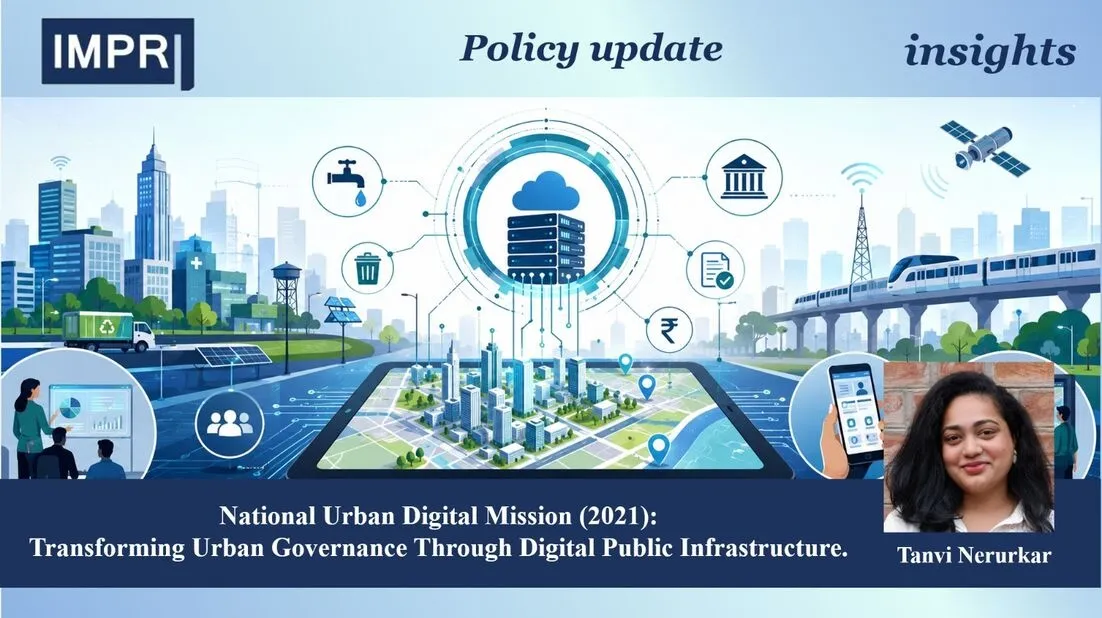
The Smart City Project Inspection has been intensified after authorities ordered real-time project monitoring to speed up sluggish urban development works. The initiative aims to improve oversight, enhance execution efficiency, and ensure timely completion of infrastructure projects under the city’s ongoing development programme.
Dengue Vaccine Blueprint Prepared as Health Directorate Drafts QDENGA Rollout Plan
Smart City Project Inspection Introduces Real-Time Monitoring
The Smart City Project Inspection was strengthened with the introduction of real-time monitoring for ongoing urban development projects. According to the available information, authorities directed officials to closely track project progress to accelerate work on delayed development corridors.
Real-time monitoring enables administrators to observe construction progress, identify implementation challenges, and respond more quickly to project delays. Moreover, continuous supervision improves coordination among departments responsible for infrastructure development.
Urban development projects often involve multiple agencies and contractors. Consequently, enhanced monitoring helps maintain better project management and supports timely execution.
Although the monitoring system has been ordered, officials have not disclosed the specific projects that will be reviewed under the initiative.
Smart City Project Inspection Aims to Improve Project Efficiency
The Smart City Project Inspection focuses on improving the efficiency of urban infrastructure projects through continuous supervision. Regular monitoring allows authorities to evaluate work progress and address implementation issues without unnecessary delays.
Furthermore, real-time tracking supports faster administrative decision-making by providing updated information on construction activities. Improved oversight also strengthens accountability among agencies involved in project execution.
Large-scale urban development programmes require effective coordination to meet project timelines. Therefore, continuous monitoring serves as an important management tool for improving infrastructure delivery.
The latest directive demonstrates the administration’s continued commitment to strengthening urban development initiatives.
Smart City Project Inspection Strengthens Infrastructure Oversight
The Smart City Project Inspection reinforces infrastructure oversight by encouraging closer supervision of ongoing development works. Effective monitoring helps ensure that construction activities progress according to approved schedules.
Moreover, regular project reviews enable authorities to identify operational bottlenecks and improve coordination between implementing agencies. Better communication also contributes to more efficient execution of public infrastructure projects.
Urban planning depends on systematic monitoring and timely administrative intervention. Consequently, real-time project supervision supports stronger governance and more effective infrastructure management.
According to the available information, the monitoring order specifically targets sluggish urban development works requiring closer oversight.
Smart City Project Inspection Reflects Commitment to Urban Development
The Project Inspection also reflects the government’s commitment to modernizing urban infrastructure through improved project management practices. Continuous monitoring helps maintain transparency while supporting efficient implementation of development initiatives.
Furthermore, strengthened administrative oversight contributes to better utilization of public resources and improved coordination among government departments. Effective supervision also enhances the long-term sustainability of urban infrastructure projects.
Modern cities increasingly rely on technology-enabled monitoring systems to improve project execution. Therefore, introducing real-time oversight represents an important step toward strengthening urban governance.
The latest initiative highlights the administration’s continued focus on ensuring that development projects progress efficiently and meet planned objectives.
Conclusion
The Inspection has been strengthened through the introduction of real-time monitoring to accelerate delayed urban development works. The initiative demonstrates the importance of continuous oversight in improving project execution and administrative efficiency.
Furthermore, enhanced monitoring supports better coordination, stronger accountability, and timely completion of public infrastructure projects. Effective supervision also contributes to more efficient urban planning and resource management.
Overall, the Inspection reflects the government’s proactive approach to improving infrastructure development through technology-driven monitoring and systematic project management. As implementation continues, authorities are expected to provide further official updates on project progress and future development milestones.
FAQs
1. What is the Smart City Project Inspection?
The Inspection is an initiative that introduces real-time monitoring to improve oversight and accelerate delayed urban development projects.
2. Why was real-time project monitoring ordered?
According to the available information, the monitoring system was introduced to speed up sluggish urban development works and improve project execution.
3. What is the purpose of the Smart City Project Inspection?
The initiative aims to strengthen project supervision, improve coordination, and ensure timely completion of urban infrastructure projects.
4. Have officials identified the projects under review?
Based on the available information, authorities have not disclosed the specific projects covered by the real-time monitoring directive.
5. How does real-time monitoring benefit urban development?
Real-time monitoring improves oversight, enhances accountability, identifies delays quickly, and supports more efficient management of infrastructure projects.