


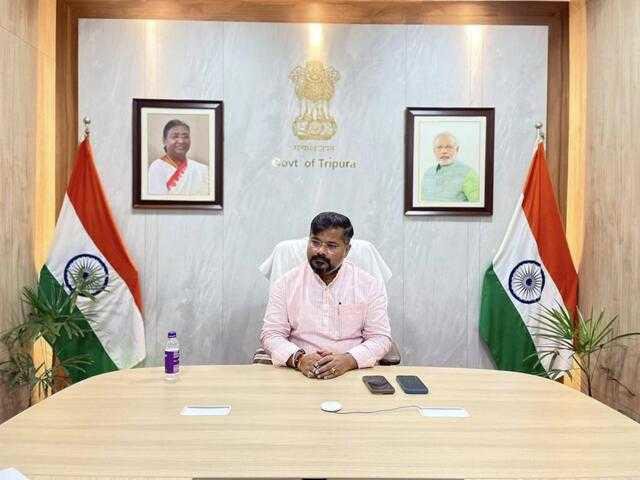
The Tripura government has announced a two-day weekend arrangement as part of a broader effort to reduce fuel consumption and improve administrative efficiency at a time when rising global crude oil prices continue to put pressure on India’s energy sector. The move comes amid reports that Indian oil companies are incurring losses of nearly Rs 600 crore every day due to volatility in international crude markets and rising operational costs.
State officials said the decision aims to reduce unnecessary fuel expenditure while encouraging more efficient use of public resources. The government believes that limiting official movement and rationalising administrative operations can contribute to meaningful fuel savings without affecting essential public services. The measure also reflects increasing concern over how global energy fluctuations influence domestic expenditure and government functioning.
Read More: Naga Protest in Imphal Demands Immediate Release of Hostages
Tripura Introduces Two-Day Weekend to Promote Fuel Conservation
The state government introduced the revised weekend system with the objective of lowering fuel consumption across government operations. Officials stated that reducing movement of official vehicles and limiting non-essential administrative activities can help reduce overall fuel usage during periods of market uncertainty.
Authorities explained that fuel conservation has become increasingly important because international crude prices continue to remain unpredictable. As a result, governments are exploring practical measures that balance operational requirements with economic realities.
The administration maintained that the initiative should not affect essential services or governance functions. Instead, departments will reorganise schedules and optimise workflows to maintain productivity while reducing avoidable expenditure. Officials believe that such administrative adjustments can generate measurable savings over time.
Rising Crude Oil Prices Increase Economic Pressure
The decision comes at a time when higher crude oil prices continue to affect transportation costs, logistics networks, and overall operational expenses across sectors. International energy market fluctuations often influence domestic financial planning and create additional pressure on public and private institutions.
Officials noted that rising fuel costs have broader economic implications because they affect both government expenditure and commercial activity. When energy prices increase, transportation and service delivery expenses also rise, creating pressure across multiple sectors.
Therefore, state governments increasingly focus on efficiency measures and resource management to minimise the impact of external economic developments. Tripura’s decision reflects this wider trend of adapting administrative policies in response to changing market conditions.
Indian Oil Companies Face Mounting Financial Pressure
Reports indicating that Indian oil firms are facing daily losses of around Rs 600 crore have intensified discussions around fuel management and cost optimisation.
Officials stated that sustained increases in crude prices can create financial pressure for oil companies and influence broader economic activity. Rising input costs may also affect pricing structures and increase operational challenges.
The government observed that energy sector developments require close monitoring because of their impact on multiple areas of administration and economic planning. Consequently, conservation measures have become an important policy tool for reducing pressure wherever possible.
Authorities believe that improving efficiency at institutional levels can contribute to overall resource stability during uncertain periods.
Government Emphasises Efficient Resource Utilisation
Tripura’s move reflects a larger focus on responsible expenditure and efficient use of public resources. Officials stated that governments must remain flexible and adopt practical administrative measures whenever economic conditions demand adjustments.
According to the administration, small operational changes often create significant long-term benefits. Reducing unnecessary travel, limiting fuel consumption, and improving workflow management can help maintain financial balance.
Moreover, the government stressed that efficient administration does not necessarily require major structural changes. Instead, careful planning and targeted measures can generate meaningful results.
Officials also encouraged departments to continue identifying areas where resource optimisation can improve performance and reduce avoidable costs.
Fuel Saving Measures Seen as Sustainable Governance Practice
Authorities described the two-day weekend arrangement as more than a temporary cost-saving initiative. According to officials, the policy reflects a broader approach to sustainable governance and efficient administration.
The government believes that energy conservation supports both financial stability and long-term planning. By reducing consumption where possible, institutions can improve resilience during periods of economic volatility.
Additionally, officials stated that conservation practices can create greater awareness regarding responsible resource usage across departments and public institutions.
The administration continues to emphasise that every efficiency measure contributes toward stronger fiscal management and improved governance outcomes.
Administrative Adjustments to Support Long-Term Stability
Government officials explained that administrative systems must evolve in response to changing economic conditions. Rising fuel costs require authorities to review operational structures and identify opportunities for savings without disrupting public services.
Tripura’s decision reflects this adaptive approach. Departments are expected to maintain productivity while operating under revised schedules.
Moreover, authorities stated that efficient governance depends on regular assessment and practical policy interventions. The government intends to monitor implementation and evaluate the effectiveness of the measure over time.
Officials remain confident that better planning and efficient operations can strengthen administrative sustainability.
Energy Conservation Gains Importance in Public Administration
Energy conservation continues to receive greater attention as governments seek methods to improve efficiency and reduce expenditure.
Officials stated that public institutions increasingly recognise the value of managing energy use more effectively. Conservation efforts not only support cost control but also strengthen long-term planning.
Tripura’s initiative reflects this evolving administrative approach. Authorities believe that responsible fuel use and operational discipline can contribute to stronger institutional performance.
As global crude prices remain under pressure and Indian oil firms continue to face financial challenges, Tripura’s two-day weekend decision highlights the government’s effort to promote fuel conservation, improve resource utilisation, and maintain administrative efficiency through practical and sustainable measures.
Read More: PM Modi Hands Over 51,000+ Job Letters at Rozgar Mela