


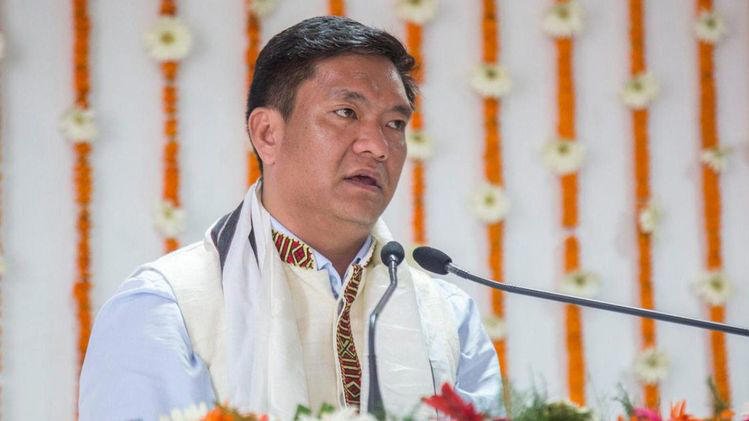
The Arunachal small hydro power scheme has received a major boost after the Union Cabinet approved a new initiative to promote small-scale hydropower projects. Arunachal Pradesh Chief Minister Pema Khandu welcomed the decision and called it a transformative step for the state’s energy sector and rural development.
He said the approval aligns with Arunachal Pradesh’s vast hydropower potential. Moreover, he added that the initiative will help harness clean energy resources in a sustainable way. As a result, the move is expected to accelerate development in remote and underserved areas where reliable electricity remains limited.
Read More: Tripura Assembly Session Cut Short, Ends on March 23
Boost to Clean Energy and Sustainable Growth
The newly approved scheme focuses on developing small hydro power projects with capacities of up to 25 MW. These projects suit hilly and remote regions like Arunachal Pradesh. Therefore, they offer a practical solution for expanding renewable energy in the state.
Pema Khandu stressed that the initiative will strengthen India’s clean energy goals. In addition, he noted that the scheme will reduce dependence on conventional power sources. Consequently, it will contribute to long-term environmental sustainability.
Small hydro projects also create less environmental disruption than large dams. They require less land and avoid large-scale displacement. Hence, policymakers consider them a balanced option for energy generation in sensitive regions.
Arunachal’s Untapped Hydropower Potential
Arunachal Pradesh holds one of the largest hydropower potentials in India. Several rivers and tributaries flow through the state, offering ideal conditions for energy production. However, much of this potential remains untapped.
With this scheme, the state can now push forward smaller projects that require less time and fewer clearances. As a result, developers can execute projects more efficiently.
Furthermore, these projects will complement ongoing large hydropower initiatives. Together, they will strengthen Arunachal’s role as a key energy hub in the Northeast. Therefore, the state stands to gain both economically and strategically.
Economic Opportunities and Job Creation
The Arunachal small hydro power scheme will create new economic opportunities across the state. Construction and maintenance of these projects will generate jobs for local communities. Additionally, the projects will support skill development among youth.
As infrastructure improves, local businesses will also benefit. For instance, increased demand for materials, transport, and services will boost economic activity. Consequently, rural areas will witness greater financial growth.
Khandu highlighted that reliable electricity will support small industries and enterprises. As a result, people can explore new income sources and improve their standard of living.
Focus on Remote and Border Areas
The scheme places strong emphasis on improving power supply in remote and border regions. Arunachal Pradesh faces unique geographical challenges due to its terrain. Therefore, decentralized energy solutions like small hydro projects offer clear advantages.
These projects can operate near consumption points. As a result, they reduce transmission losses and improve efficiency. Moreover, they ensure a steady power supply even in difficult-to-reach areas.
Improved electricity access will enhance daily life for residents. For example, schools, healthcare centers, and communication networks will function more effectively. Hence, the scheme will directly impact social development.
Strong Centre-State Collaboration
The success of the scheme depends on close coordination between the central and state governments. The Union Cabinet has provided policy support, financial assistance, and technical guidance.
Arunachal Pradesh has already shown readiness to implement the scheme. The state government plans to identify suitable sites and streamline approvals. At the same time, it aims to attract private investment.
Such collaboration will speed up project execution. Therefore, both governments will work together to ensure timely completion and maximum benefits.
Addressing Challenges Through Planning
Despite its advantages, the scheme faces several challenges. Difficult terrain, environmental concerns, and logistical issues can slow down progress. However, the government plans to tackle these challenges through careful planning.
Authorities will conduct detailed feasibility studies before starting projects. In addition, they will use modern technology to improve efficiency. As a result, developers can overcome geographical barriers more effectively.
Community involvement will also play a key role. The government will engage local residents to ensure transparency and acceptance. Consequently, this approach will reduce conflicts and support smoother implementation.
Strategic Importance for the Northeast
The Arunachal small hydro power scheme holds broader importance for the Northeast region. Improved energy infrastructure will attract investments in various sectors. For instance, tourism, manufacturing, and services can expand with better power supply.
Moreover, stronger infrastructure in border areas will enhance connectivity. This development will also support national security objectives. Therefore, the scheme carries both economic and strategic value.
In addition, increased energy production will help meet regional demand. This will reduce dependence on external sources and improve energy security.
Conclusion
The approval of the Arunachal small hydro power scheme marks a significant milestone for the state. Chief Minister Pema Khandu has expressed confidence that the initiative will drive growth and development.
The scheme focuses on clean energy, economic expansion, and rural empowerment. Moreover, it addresses key challenges related to connectivity and infrastructure. Therefore, it offers a comprehensive solution for sustainable progress.
As implementation begins, the government must ensure efficient execution and community participation. If authorities manage these aspects well, the scheme can transform Arunachal Pradesh into a leading renewable energy hub.
Ultimately, the initiative promises better livelihoods, improved infrastructure, and long-term sustainability. Hence, it stands as a crucial step toward a brighter and more energy-secure future for the state and the Northeast region.
Read More: India Prepares for Census 2027 in Two Phases Amid Manipur Protests