


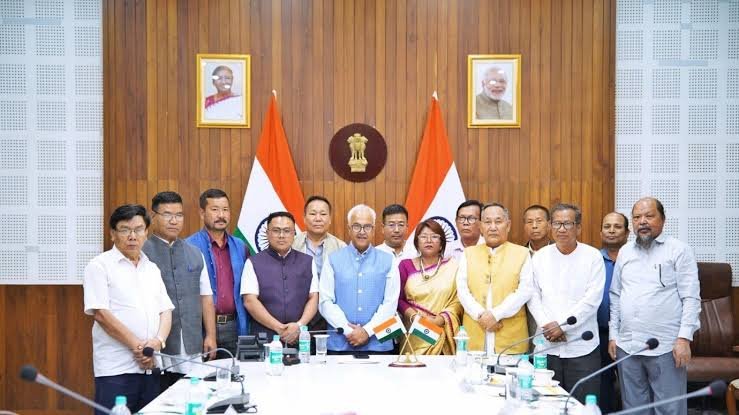
The Delimitation in Manipur debate has intensified as opposition voices reportedly demand stronger border checks before any major exercise to redraw electoral constituencies. The issue has connected questions of political representation with concerns over migration, population data, security, and the integrity of electoral records.
Delimitation can significantly influence electoral representation because constituency boundaries determine how voters are grouped for elections. Moreover, concerns about population changes can make accurate demographic information particularly important before authorities consider boundary adjustments.
The debate has gained attention amid Manipur’s wider political and security challenges. However, the available information does not identify a specific opposition proposal, a confirmed delimitation schedule, or an official decision linking border checks to a future boundary exercise.
80 Years of Independence: A Question Tripura Must Ask About Clean Water
Delimitation in Manipur Raises Border Concerns
The Delimitation in Manipur debate has brought border management into the political discussion.
Opposition voices reportedly argue that authorities should strengthen border checks before undertaking major constituency changes. Furthermore, they have raised concerns about ensuring that population and voter data accurately reflect eligible residents.
These concerns can influence political arguments surrounding representation.
However, border management and electoral delimitation operate under separate administrative and legal frameworks.
Delimitation in Manipur Depends on Population Data
The Delimitation in Manipur process would depend on reliable demographic information and legally prescribed criteria.
Population figures can influence the organisation of electoral constituencies. Additionally, accurate records can help authorities assess how populations are distributed across different areas.
Political stakeholders may therefore demand greater clarity about the data used in any future exercise.
However, the available information does not identify which specific population dataset would form the basis for a potential delimitation exercise.
Delimitation in Manipur Connects With Migration Debate
The Delimitation in Manipur debate has also intersected with wider concerns about migration and demographic change.
Some political groups have argued that population movements could affect electoral representation. Moreover, these concerns can become particularly sensitive in border regions where security and migration issues receive greater political attention.
Accurate population and voter records can help authorities address legitimate administrative questions.
However, claims about demographic changes require reliable evidence and should not be treated as established without official data.
Delimitation in Manipur Raises Electoral Integrity Questions
The Delimitation in Manipur discussion has highlighted concerns about the integrity of electoral records.
Accurate voter lists and population information support credible elections. Furthermore, authorities must follow established procedures when preparing electoral rolls and determining constituency boundaries.
Strong administrative systems can therefore help maintain confidence in future elections.
However, the available information does not establish widespread irregularities in Manipur’s electoral records.
Delimitation in Manipur and Border Security
The Delimitation in Manipur debate has placed border security alongside questions of political representation.
Manipur shares an international border with Myanmar, making border management an important security and administrative issue. Additionally, authorities may need to coordinate security measures with broader population and electoral administration.
These issues can influence political discussions without becoming the same administrative process.
However, the available information does not confirm that any proposed delimitation exercise would directly depend on border security measures.
Delimitation in Manipur Faces Political Disagreement
The Delimitation in Manipur issue has generated disagreement among political stakeholders.
Opposition groups may seek stronger safeguards before supporting changes to electoral boundaries. Meanwhile, other stakeholders may focus on the constitutional and electoral requirements governing delimitation.
Such differences can make consensus more difficult.
However, the available information does not provide the complete positions of all political parties on the issue.
Delimitation in Manipur Requires Legal Clarity
The Delimitation in Manipur process would need to follow the applicable constitutional and electoral framework.
Authorities cannot change constituency boundaries solely through political demands. Furthermore, any formal exercise would require competent institutions to follow established procedures for reviewing demographic and geographical information.
Legal clarity can therefore help prevent confusion.
However, the available information does not confirm that a formal delimitation exercise has started in Manipur.
Delimitation in Manipur Could Affect Representation
The Delimitation in Manipur debate matters because constituency changes can affect political representation.
Boundary adjustments can change which communities and voters fall within individual constituencies. Moreover, political parties may need to adapt to any new electoral geography.
This makes the timing and methodology of delimitation important to stakeholders.
However, no specific constituency changes have been announced in the information provided.
Manipur Requires Accurate Border Data
The Manipur discussion has increased attention on border-area population records.
Accurate administrative information can help authorities understand population distribution and maintain reliable electoral records. Additionally, effective border management can assist authorities in monitoring movement across sensitive areas.
Both systems can contribute to stronger administration.
However, border checks alone do not determine electoral constituency boundaries.
Delimitation in Manipur Needs Stakeholder Consultation
The Delimitation in Manipur debate highlights the importance of consultation.
Political parties, elected representatives, community organisations, and affected residents can raise concerns during formal electoral processes. Furthermore, transparent consultations can help authorities explain how proposed boundaries comply with legal requirements.
Inclusive engagement can therefore reduce uncertainty.
However, the available information does not confirm whether formal consultations have begun.
Delimitation in Manipur Could Influence Future Elections
The Manipur process could influence future elections if authorities eventually approve boundary changes.
New constituency arrangements can affect voter distribution and electoral competition. Moreover, changes may require updates to electoral maps, voter information, and administrative preparations.
Authorities would need to communicate any approved changes clearly.
However, the available information does not identify a specific election that would be affected.
Delimitation in Manipur Requires Evidence-Based Decisions
The debate demonstrates the importance of separating verified demographic information from political claims.
Population changes, migration patterns, and voter records can become politically sensitive. Additionally, authorities need reliable evidence before making administrative decisions that affect electoral representation.
Evidence-based procedures can strengthen public confidence.
However, the available information does not provide comprehensive demographic evidence supporting or disproving the concerns raised by opposition groups.
Conclusion
The Manipur debate has intensified as opposition voices reportedly call for stronger border checks before any major constituency re-drawing exercise. Their concerns connect electoral representation with population data, migration, border security, and electoral integrity.
Moreover, delimitation and border management involve separate legal and administrative processes, although both can influence political discussions about representation and demographic change. However, the available information does not confirm a specific delimitation proposal, official timetable, or government decision requiring border checks before constituency changes.
Overall, Delimitation in Manipur remains a politically sensitive issue. Any future boundary exercise will require accurate data, legal procedures, transparent consultation, and evidence-based decision-making to maintain confidence in electoral representation.
FAQs
1. What is the Delimitation in Manipur debate about?
The debate concerns potential changes to electoral constituency boundaries and demands for safeguards involving population and border-related data.
2. Why does the opposition want stricter border checks?
Opposition voices reportedly want stronger border monitoring before major electoral boundary changes, citing concerns about population records and representation.
3. Does border checking determine constituency boundaries?
No. Border management and electoral delimitation are separate administrative processes.
4. Has a new delimitation exercise officially started?
The available information does not confirm the start of a formal delimitation exercise in Manipur.
5. Why is accurate population data important?
Population data can help authorities organise electoral representation according to the applicable legal and constitutional framework.