


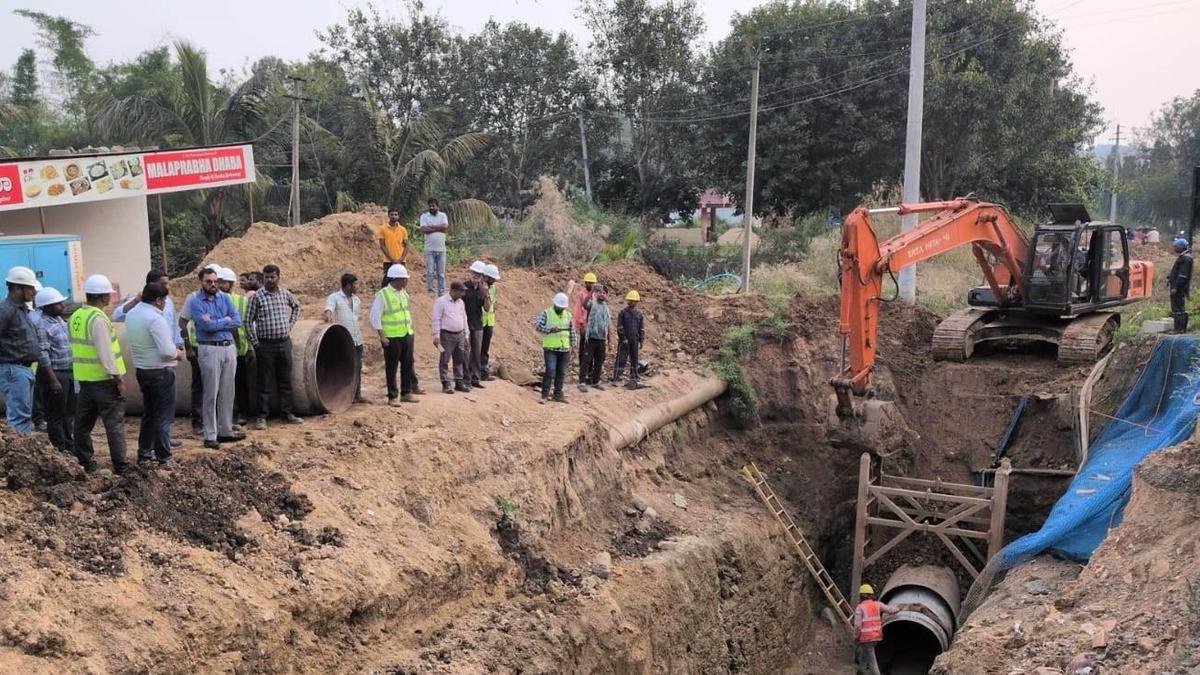
The Drinking Water Pipeline project has achieved progress after clean water connection pipelines were successfully laid across 12 villages in Sepahijala district. The initiative aims to improve access to safe drinking water, strengthen rural water infrastructure, and support households through expanded pipeline connectivity.
Drinking Water Pipeline Project Extends Clean Water Access
The Drinking Water Pipeline network was expanded after authorities completed the laying of clean water connection pipelines across 12 villages in Sepahijala. According to the available information, the project focuses on improving drinking water availability for rural communities.
Access to safe drinking water remains an essential requirement for public health and community development. Moreover, pipeline-based water supply systems provide a reliable method for delivering clean water directly to households and local areas.
The completion of pipeline work represents an important infrastructure development milestone. Consequently, residents in the covered villages are expected to benefit from improved water connectivity.
Although the pipeline installation has been completed, officials have not released details regarding the number of households connected or the project cost.
Drinking Water Pipeline Strengthens Rural Water Infrastructure
The Drinking Water Pipeline initiative strengthens rural water infrastructure by expanding access to organized water supply networks. Reliable pipeline connections help reduce dependence on distant water sources and improve convenience for communities.
Furthermore, improved water infrastructure supports better sanitation practices and contributes to healthier living conditions. Regular expansion of water supply systems also helps address long-term community needs.
Rural development depends on essential infrastructure services. Therefore, projects focused on drinking water connectivity remain a key priority for improving quality of life.
The latest expansion demonstrates continued efforts to enhance basic amenities in rural areas.
Drinking Water Pipeline Supports Community Development
The Drinking Water Pipeline project contributes to community development by providing improved access to clean water resources. Reliable water connections help households manage daily needs more efficiently while supporting overall public welfare.
Moreover, expanding water networks across villages reduces challenges associated with limited water availability. Better infrastructure also supports local development by improving essential service delivery.
Government water supply programmes require coordinated planning and effective implementation. Consequently, successful pipeline installation across 12 villages marks progress in strengthening rural utility services.
According to the available information, the completed pipeline work covers villages located in Sepahijala district.
Drinking Water Pipeline Reflects Focus on Safe Water Supply
The initiative reflects continued efforts to improve access to safe and reliable drinking water. Expanding pipeline networks supports broader goals related to public health, sanitation, and rural infrastructure development.
Furthermore, clean water availability helps communities maintain better hygiene practices and improves living standards. Continued investment in water infrastructure also supports sustainable development in rural regions.
Access to safe drinking water remains a fundamental public service requirement. Therefore, expanding pipeline connectivity represents an important step toward strengthening rural water security.
The latest development highlights ongoing efforts to improve essential services for village communities.
Conclusion
The Drinking Water Pipeline project has expanded clean water access after pipelines were successfully laid across 12 villages in Sepahijala district. The initiative marks an important step toward improving rural water supply infrastructure and supporting community welfare.
Furthermore, expanded pipeline connectivity strengthens access to essential services, improves convenience for residents, and contributes to better public health outcomes. Reliable water infrastructure also supports long-term rural development objectives.
Overall, the initiative demonstrates continued efforts to enhance basic amenities through improved water supply networks. As the project progresses, authorities are expected to provide further updates regarding household connections and future expansion plans.
FAQs
1. What is the Drinking Water Pipeline project?
The Drinking Water Pipeline project involves laying clean water connection pipelines to improve drinking water access in rural areas.
2. How many villages received pipeline connections?
According to the available information, clean water pipelines were laid across 12 villages in Sepahijala district.
3. Why was the pipeline network expanded?
The expansion aims to improve access to safe drinking water and strengthen rural water supply infrastructure.
4. Which district benefited from the project?
The pipeline work was completed across villages in Sepahijala district.
5. Have officials announced household connection details?
Based on the available information, authorities have not released the total number of households connected through the pipeline network.