


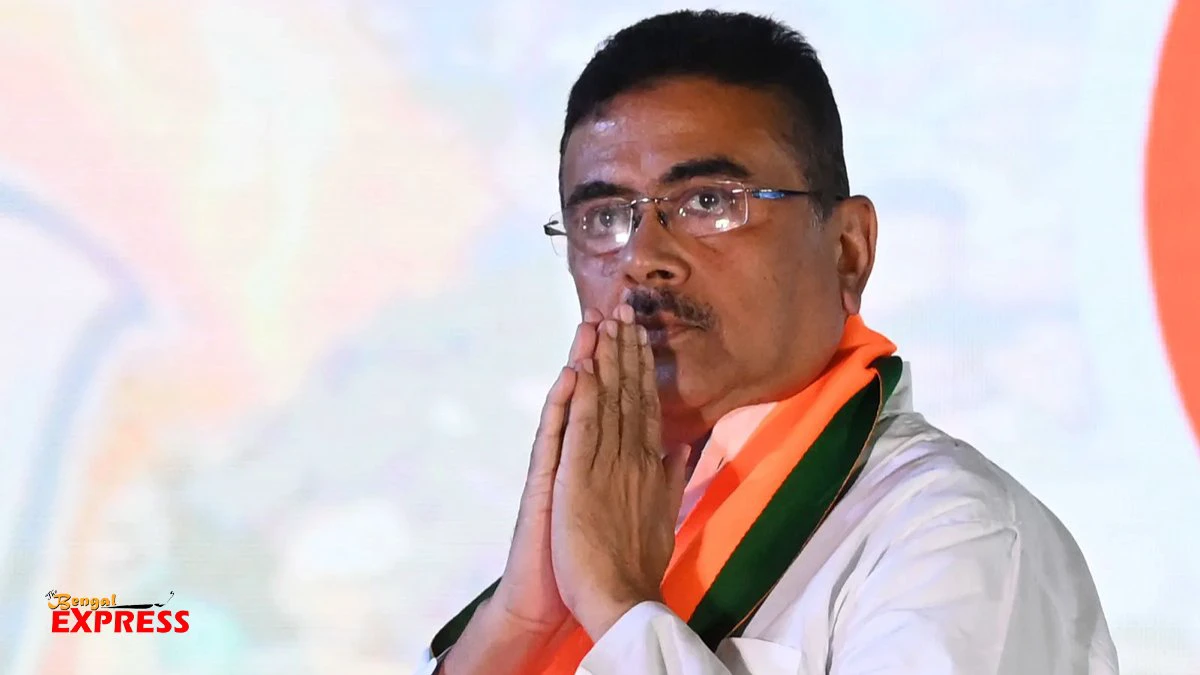
Janata Darbar Launch introduced a new public outreach initiative in West Bengal after Chief Minister Suvendu Adhikari opened his first direct grievance forum and announced priority access for people described by his party as victims of earlier political violence linked to the Trinamool Congress. The programme began as a face-to-face platform where citizens could present complaints directly to the chief minister and seek administrative follow-up. The launch immediately drew political attention and sparked debate over governance, access, and the role of public grievance systems.
Mamata Banerjee Vows Resistance After Defeat
Arunachal Hydropower Project Receives Key Clearance
Public Grievance Model Moves Into Focus
The initiative was launched at the BJP state office in Salt Lake and was presented as a mechanism to reduce dependence on intermediaries and procedural delays. According to BJP leaders, the programme is expected to function as a recurring public hearing format with direct participation from the chief minister.
Meanwhile, party leaders stated that the platform would remain open to all citizens. However, they added that priority would be given to individuals who claimed to have faced political violence, harassment, displacement, or livelihood loss during previous years of political conflict.
Additionally, organizers indicated that names would be registered in advance and selected groups would meet the chief minister during scheduled sessions.
First Session Draws Citizens And Complaints
The opening session reportedly lasted around an hour and included meetings with dozens of people presenting individual concerns. Complaints ranged from local infrastructure matters and administrative issues to allegations connected with political and social grievances.
At the same time, BJP leaders described the initiative as an effort to establish direct communication between government leadership and the public. Supporters argued that such forums could shorten response time and improve accountability.
Furthermore, party representatives stated that administrative directions may be issued depending on the nature and seriousness of complaints received.
Political Context Shapes The Rollout
Janata Darbar Launch arrived amid continuing political disagreement over allegations related to violence and governance in West Bengal. BJP leaders have repeatedly raised concerns regarding treatment of party workers and supporters in previous years.
Meanwhile, Trinamool Congress leaders have rejected those allegations and argued that political violence narratives are selectively framed for political purposes. Similar disagreements have surfaced in earlier political exchanges involving post-election tensions in the state.
Consequently, the grievance forum quickly became more than an administrative announcement and entered the wider political conversation.
Government Frames Initiative As Administrative Reform
The chief minister also linked the outreach programme to broader governance reforms and administrative responsiveness. Reports indicated that the government views direct hearings as a way to improve institutional accessibility and reduce procedural barriers.
Moreover, parallel announcements included proposals for judicial commissions to examine allegations related to previous governance periods, including complaints involving women, children, and public administration. Those commissions are expected to begin functioning from June.
Meanwhile, officials continued preparing logistics and operational structures for future sessions of the grievance forum.
Supporters And Critics Offer Different Views
Janata Darbar Launch generated contrasting reactions across the political spectrum. Supporters described it as a direct-access governance model that may help citizens raise concerns without administrative delays.
On the other hand, critics questioned whether prioritization criteria could influence perceptions of neutrality and equal access. Political observers noted that public grievance systems often receive close scrutiny regarding transparency and implementation.
Additionally, analysts suggested that long-term success may depend on visible resolution of complaints rather than symbolic engagement alone.
What The Initiative Could Mean Going Forward
The new programme may become an important indicator of how the government approaches citizen outreach in the coming months. Meanwhile, attention is likely to remain on participation numbers, response mechanisms, and outcomes delivered through the hearings.
Furthermore, public grievance forums have been used in several states as a method of strengthening direct interaction between elected leadership and residents. Supporters see them as governance tools, while critics often evaluate them through a political lens.
Janata Darbar Launch has therefore become both an administrative experiment and a political signal in West Bengal’s changing landscape. Ultimately, future sessions and complaint outcomes may determine how the initiative is judged by the public.
FAQs
What is Janata Darbar?
It is a public grievance forum where citizens can present complaints directly to government leadership for review and possible action.
Who launched the programme?
Chief Minister Suvendu Adhikari launched the initiative in West Bengal.
Who receives priority access?
According to BJP leaders, alleged victims of past political violence linked to TMC will receive priority while registration remains open to all.
Where was the first session held?
The first public hearing took place at the BJP state office in Salt Lake.
What kind of complaints can people raise?
Reports indicated that issues may include civic concerns, administration, local services, and other public grievances.
How does Janata Darbar Launch affect governance discussion?
Janata Darbar Launch has expanded debate around direct public access, administrative accountability, and political outreach.