


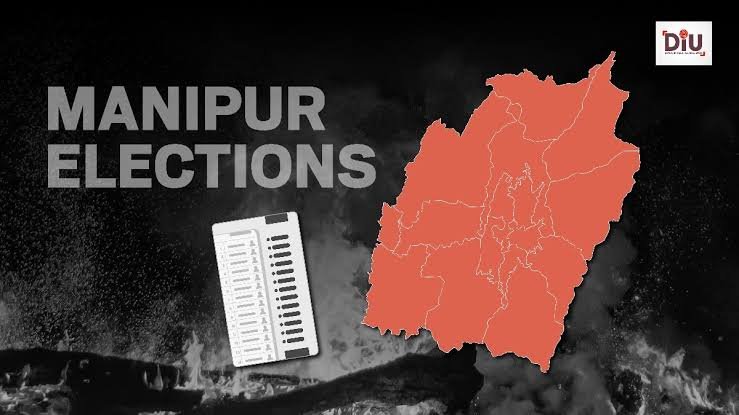
The Manipur Constituency Re-drawing debate has gained attention after a Manipur Lok Sabha MP reportedly warned against making premature changes to electoral boundaries. The warning has brought renewed focus to delimitation, political representation, population data, and the potential impact of constituency changes in the state.
Constituency boundaries can directly affect electoral representation and political participation. Moreover, changes require careful consideration of demographic information, administrative boundaries, geography, and established legal procedures.
The MP’s warning comes amid wider political discussions about delimitation and representation in the Northeast. However, the available information does not identify the MP’s exact statement, a specific delimitation proposal, or any confirmed decision to redraw Manipur’s constituencies.
80 Years of Independence: A Question Tripura Must Ask About Clean Water
Manipur Constituency Re-drawing Raises Representation Concerns
The Constituency Re-drawing debate has raised questions about how future boundary changes could affect political representation.
Electoral constituencies determine how voters are grouped for representation in legislative bodies. Furthermore, changes to their boundaries can alter the composition of electoral areas and influence political calculations.
For communities, such changes can carry significant political importance.
However, the available information does not identify any specific constituency currently under consideration for re-drawing.
Manipur Constituency Re-drawing Requires Accurate Data
The Constituency Re-drawing process would require reliable demographic and administrative information.
Population data can play an important role in delimitation exercises. Additionally, authorities need accurate geographical and administrative records to ensure that proposed boundaries follow applicable rules.
Using outdated or incomplete information could create concerns among stakeholders.
However, the available information does not specify which population data authorities would use for any future delimitation exercise.
Manipur Constituency Re-drawing Sparks Political Debate
The Constituency Re-drawing issue has become part of a wider political discussion in the state.
Political parties and elected representatives can hold different views about when and how constituency boundaries should change. Moreover, disagreements can arise when stakeholders believe that proposed changes could affect their political representation.
The Lok Sabha MP’s reported warning adds another voice to this debate.
However, the available information does not provide the positions of all major political parties on the issue.
Constituency Re-drawing and Delimitation
The Manipur Constituency Re-drawing debate is closely connected with the broader concept of delimitation.
Delimitation involves determining or revising electoral constituency boundaries according to established legal and administrative procedures. Furthermore, the process aims to organise representation based on relevant criteria prescribed by law.
Political discussions about delimitation can therefore become significant well before any final boundary decision.
However, the available information does not confirm that a formal delimitation exercise for Manipur has begun.
Manipur Constituency Re-drawing Raises Timing Questions
The Constituency Re-drawing debate has placed timing at the centre of attention.
The MP reportedly warned against acting prematurely, suggesting that authorities should consider the broader implications before making boundary decisions. Additionally, stakeholders may seek clarity about the legal timetable and data requirements before supporting any changes.
Careful timing can help ensure that the process follows established procedures.
However, the information provided does not specify the timeline the MP has proposed.
Manipur Constituency Re-drawing Could Affect Communities
The Re-drawing could affect communities if electoral boundaries eventually change.
A constituency may include multiple communities with different geographic and political interests. Moreover, boundary changes can alter the relationship between voters and elected representatives.
Community consultation can therefore become important during any formal process.
However, no specific community impact has been confirmed because no detailed boundary proposal has been provided.
Constituency Re-drawing Needs Legal Procedures
The Re-drawing would need to follow the relevant constitutional and electoral framework.
Delimitation cannot simply occur through an informal political decision. Furthermore, competent authorities must follow the procedures established for preparing, reviewing, and finalising constituency boundaries.
Legal clarity can help maintain confidence in the process.
However, the available information does not identify any current official notification concerning a Manipur delimitation exercise.
Constituency Re-drawing Could Influence Elections
The Re-drawing could influence future elections if authorities eventually approve new boundaries.
Changes can affect voter distribution, constituency composition, and the geographical areas represented by individual legislators. Additionally, political parties may need to adjust their electoral strategies to reflect any new boundaries.
These effects make the timing and methodology particularly important.
However, the available information does not indicate which future election would be affected by any potential changes.
Manipur Constituency Re-drawing Needs Political Consultation
The Manipur Constituency Re-drawing debate highlights the importance of consultation among political and community stakeholders.
Open discussion can allow elected representatives, political parties, and local communities to understand the implications of proposed changes. Moreover, consultation can help authorities identify concerns before decisions become final.
A transparent process can therefore strengthen public confidence.
However, the available information does not confirm whether formal consultations have begun.
Manipur Constituency Re-drawing and Population Data
The Manipur Constituency Re-drawing debate also highlights the importance of population data.
Population figures can influence how electoral representation is structured under applicable rules. Furthermore, reliable demographic information can help authorities assess whether existing boundaries remain appropriate.
Any future exercise would therefore depend on credible data.
However, the available information does not specify which census figures or demographic dataset would form the basis of any proposed changes.
Manipur Constituency Re-drawing Requires Caution
The Manipur Constituency Re-drawing issue requires careful consideration because boundary changes can have long-term political consequences.
Authorities need to balance legal requirements, demographic information, geographical realities, and representation concerns. Additionally, clear communication can help prevent misinformation about proposed constituency changes.
A cautious approach can support a more transparent process.
However, no final constituency re-drawing decision has been established in the information provided.
Conclusion
The Manipur Constituency Re-drawing debate has gained attention after a Manipur Lok Sabha MP reportedly warned against making premature changes to electoral boundaries. The warning has renewed discussion about delimitation, demographic data, political representation, and the timing of any future boundary exercise.
Moreover, accurate population information, legal procedures, stakeholder consultation, and transparent decision-making will remain important if authorities consider constituency changes. However, the available information does not identify a specific proposal, confirmed timetable, or official decision to redraw Manipur’s constituencies.
Overall, the Manipur Constituency Re-drawing debate highlights the importance of caution when electoral boundaries are under discussion. Any future changes will need to follow established legal procedures while addressing legitimate concerns about representation and community interests.
FAQs
1. What is Manipur Constituency Re-drawing?
Manipur Constituency Re-drawing refers to the potential revision of electoral constituency boundaries in the state.
2. Why did the Lok Sabha MP raise concerns?
The MP reportedly warned against making constituency changes prematurely and highlighted the need for careful consideration.
3. Has Manipur’s constituency map been officially changed?
The available information does not confirm any final decision to redraw the state’s constituencies.
4. What factors can influence delimitation?
Population data, geography, administrative boundaries, and applicable constitutional and electoral rules can influence delimitation.
5. Why is constituency re-drawing politically sensitive?
Boundary changes can affect electoral representation and the areas represented by elected legislators.