


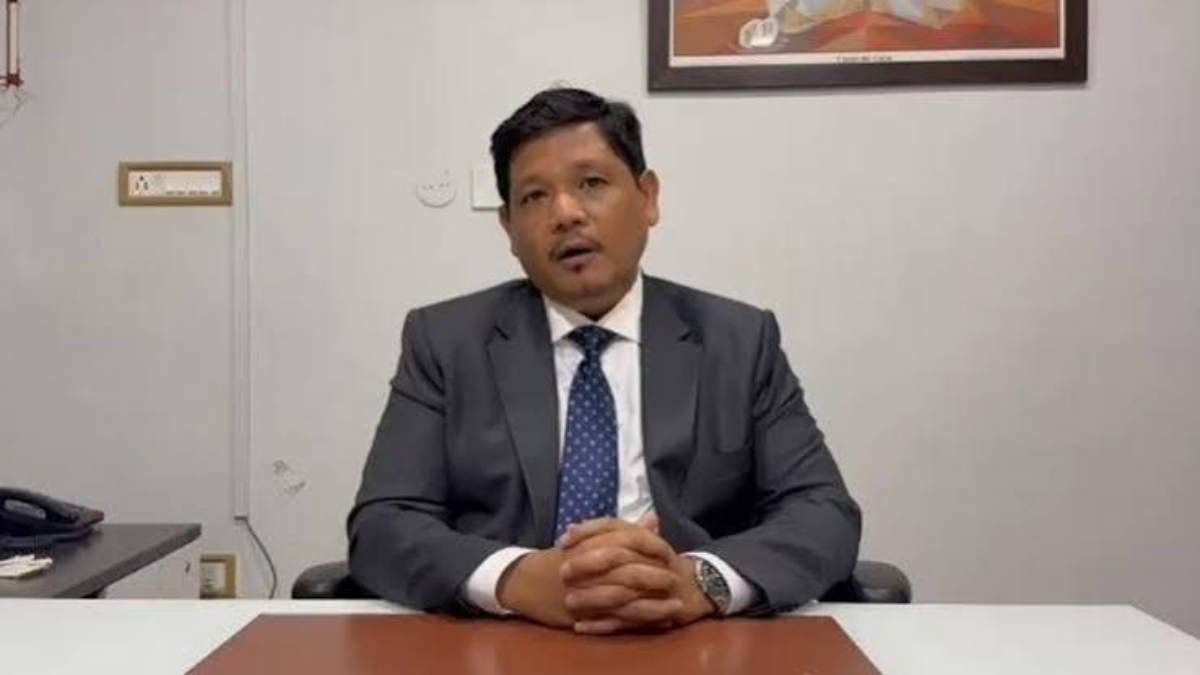
The Meghalaya coal shortage has intensified scrutiny of the state’s mining sector, prompting Chief Minister Conrad K. Sangma to stress the need to reinvest mining revenue in sustainable livelihoods and community infrastructure.
Speaking in Shillong on October 14, Sangma highlighted the role of the District Mineral Foundation (DMF) in directing mineral-related revenue towards development projects. His remarks came amid questions over more than 13 lakh metric tonnes of inventoried coal that a committee appointed by the Meghalaya High Court found unaccounted for.
The shortage has raised concerns about coal stock management and accountability. Meanwhile, the chief minister called for stronger investment in alternative livelihoods, local businesses and infrastructure to ensure mining benefits communities over the long term.
Meghalaya coal shortage raises accountability questions
A committee headed by retired Justice B.P. Katakey identified a shortfall of 13,02,456.184 metric tonnes of inventoried coal in its 41st interim report. The report called for a detailed inquiry to establish responsibility for the missing stock.
According to the figures cited by the committee, the state had reported 32,56,715 metric tonnes of available coal. However, physical verification by district authorities found only 19,54,258.816 metric tonnes.
The difference has placed coal inventory management under renewed scrutiny. The committee also highlighted concerns about the handling of seized coal and the status of abandoned rat-hole mines.
The findings do not, by themselves, establish who was responsible for the shortage. Therefore, a detailed inquiry remains important to determine how the discrepancy occurred and whether any individuals or officials should face action.
Sangma said he needed more information before responding specifically to the reported shortfall. His latest remarks instead focused on the wider question of how mining revenue should support Meghalaya’s economy and affected communities.
Meghalaya coal shortage puts DMF funding in focus
The chief minister made the remarks as the District Mineral Foundation marked 10 years of operation in Meghalaya. He said the foundation had mobilised ₹181 crore over the past decade.
During this period, the DMF sanctioned 923 projects, of which 542 had been completed, according to figures shared by Sangma.
These projects have supported classrooms, healthcare facilities, drinking water supplies and footbridges connecting remote villages. Additionally, the funding has backed environmental restoration work, including water conservation structures and tree plantation in quarry areas.
The foundation provides a mechanism to direct mining-related contributions towards people and regions affected by mineral extraction. Consequently, effective fund management can help communities receive more lasting benefits from the sector.
However, the number of completed projects also highlights the need to finish pending work and use available funds efficiently. Sangma urged district administrations to ensure timely implementation and identify productive ways to invest the money.
Mining revenue could support new livelihoods
Sangma said Meghalaya must look beyond mineral extraction when planning its economic future. He called for investment in income-generating activities that can support families even as the state moves towards safer mining practices.
He cited an eco-tourism park and a value-added bee products unit at Nengmandalgre as examples of alternative economic activity. Other initiatives include silkworm rearing, a weaving centre in Ri Bhoi and a district emporium promoting locally made products.
These projects illustrate how public investment can support entrepreneurship and create employment beyond mining. Moreover, they offer opportunities to strengthen local supply chains and increase the value of products made in Meghalaya.
The chief minister also highlighted tourism and food processing as sectors with potential for growth. Processing agricultural produce locally, for example, could improve returns for farmers while supporting small enterprises.
Such initiatives may help mining-dependent communities diversify their income sources. However, their long-term impact will depend on effective implementation, market access and sustained support for local entrepreneurs.
Meghalaya coal shortage renews focus on scientific mining
The coal inventory controversy comes as the state explores ways to resume small-scale mining under legal, safety and environmental safeguards.
A technical team from the Union Coal Ministry recently inspected coal-bearing areas in East Jaintia Hills and the Khasi Hills. The team assessed the feasibility of scientific mining while considering Meghalaya’s geological conditions and community land ownership system.
Meanwhile, Sangma has said pilot projects for closing abandoned coal mines are being processed, with clearances expected. He has also acknowledged that procedures set by the Centre and the courts have complicated the use of the Meghalaya Environment Protection and Restoration Fund.
These developments underline the challenge facing the state: supporting mining-dependent families while improving oversight and addressing environmental risks.
Meghalaya must turn mineral wealth into lasting gains
Sangma’s emphasis on reinvestment places community development at the centre of Meghalaya’s mining debate. The state must address the reported coal shortage while ensuring that mineral wealth generates lasting economic benefits.
Effective investigations, transparent fund utilisation and timely completion of development projects will be important steps. At the same time, investment in tourism, food processing and local enterprises could help communities build more resilient livelihoods.
The immediate priority remains establishing accountability for the missing coal. Ultimately, Meghalaya’s ability to balance responsible mining with sustainable development will shape the benefits its mineral resources deliver to future generations.
KIIT University and iLogitron Technologies Sign MoU to Advance AI in Bhubaneswar