


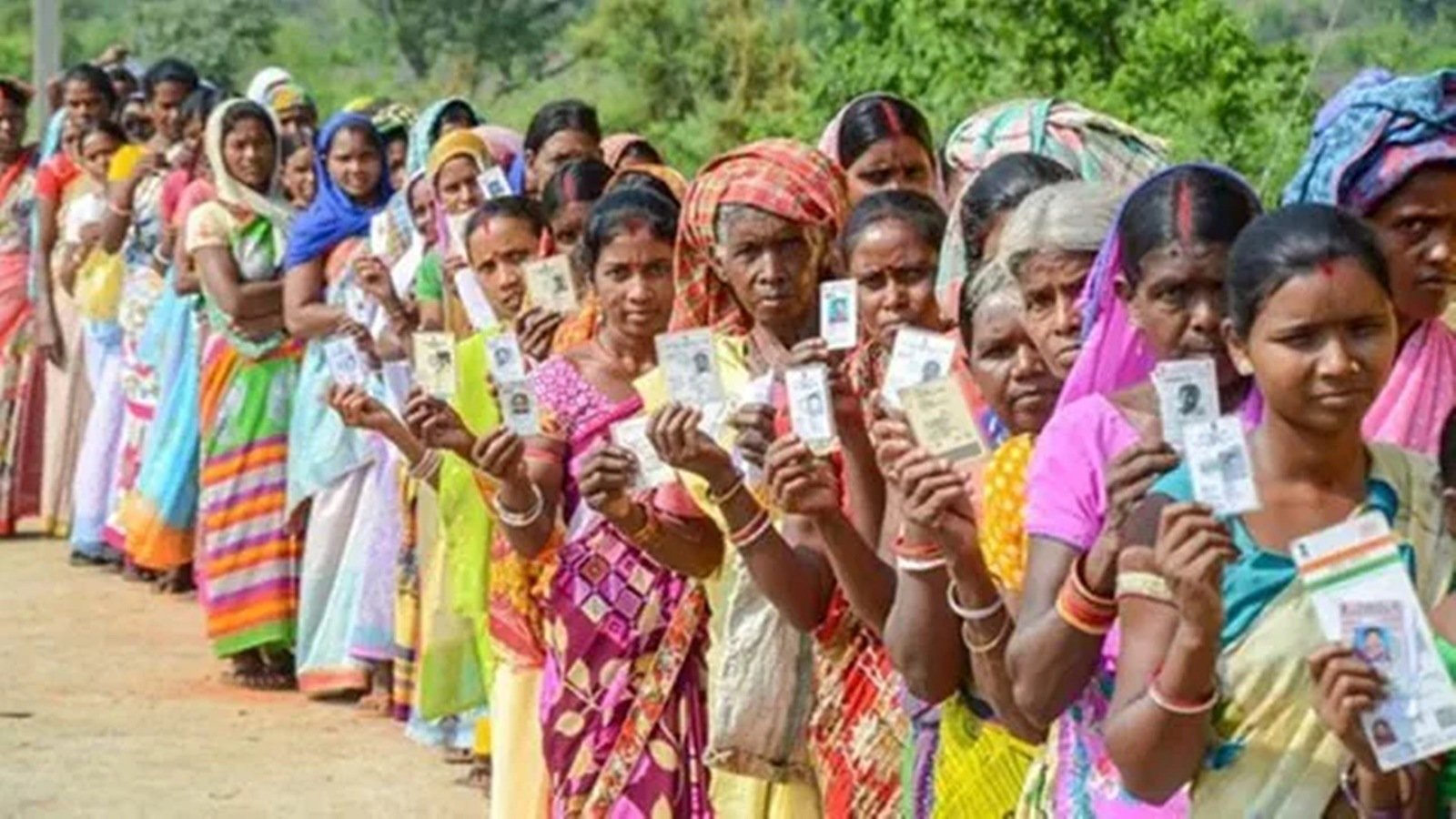
The Rajnagar political shift Tripura has attracted attention after 106 voters from 30 families in the Rajnagar Gram Panchayat area officially left the BJP and joined the Tipra Motha Party (TMP). The development reflects changing political dynamics at the grassroots level and highlights the growing competition among parties ahead of future electoral contests. Moreover, the move underscores the importance of local political engagement in shaping regional political landscapes.
Amit Shah Arrives in Agartala for Border Review
Pushpabanta Palace Heritage Hotel Project Launched
Major Political Shift Reported in Rajnagar
A significant political development has emerged from Rajnagar Gram Panchayat, where 106 voters belonging to 30 families officially joined the Tipra Motha Party after leaving the BJP.
Moreover, the joining program drew attention from local political observers because it reflects evolving political preferences within the area. Party leaders welcomed the new members during the event.
Consequently, the development has become a topic of discussion in local political circles.
Tipra Motha Expands Grassroots Support
The latest joining program represents another effort by Tipra Motha to strengthen its organizational base at the grassroots level. Political parties frequently focus on local outreach to build stronger connections with communities.
Furthermore, grassroots expansion often plays a crucial role in shaping future electoral performance. Increased participation at the local level can help parties broaden their influence and engagement.
As a result, the development is being viewed as a boost for the party’s local presence.
Importance of Local Political Mobilization
Political mobilization at the village and panchayat level remains a key aspect of democratic participation. Local joining programs provide parties with opportunities to connect directly with voters and address community concerns.
Moreover, grassroots engagement allows political organizations to understand local priorities more effectively. Strong local networks often contribute to long-term political growth.
Therefore, such developments carry significance beyond immediate membership numbers.
Changing Political Dynamics in Rural Areas
Rural regions frequently experience shifts in political support as communities respond to changing priorities, leadership, and policy issues. Political realignments often reflect evolving public expectations.
Furthermore, local developments can sometimes signal broader trends within a region’s political environment. Parties closely monitor these shifts to assess voter sentiment and strengthen outreach efforts.
Consequently, political observers continue to track grassroots developments closely.
Role of Gram Panchayats in Political Activity
Gram Panchayats serve as important centers of local governance and community engagement. Political activity at this level often influences broader electoral strategies and organizational planning.
Moreover, panchayat-level developments provide insight into voter preferences and community priorities. Political parties frequently invest significant effort in maintaining a strong presence in these areas.
As a result, local political shifts can attract considerable attention.
Voter Participation Remains Central
Democratic systems depend on active voter participation and engagement. Political parties encourage citizens to become involved in public discussions and organizational activities.
Furthermore, joining programs provide opportunities for individuals and families to express political preferences and participate in democratic processes.
Therefore, voter involvement continues to play a central role in shaping political landscapes.
Competition Among Political Parties
Political competition remains an essential feature of democratic governance. Parties continuously work to expand their support base through outreach programs, public engagement, and organizational development.
Moreover, changing political alignments often encourage parties to reassess strategies and strengthen communication with voters. Healthy competition can contribute to greater public engagement.
Consequently, local developments often influence broader political planning.
Impact on Local Political Landscape
The movement of voters from one political party to another can influence local political calculations and organizational structures. Such developments often prompt parties to strengthen grassroots engagement efforts.
Additionally, shifts in support may affect future political activities and campaign strategies within the area. Local leadership frequently responds by increasing outreach initiatives.
As a result, the development may have implications for future political dynamics in Rajnagar.
Growing Focus on Grassroots Engagement
Political organizations increasingly recognize the importance of maintaining close relationships with local communities. Effective grassroots engagement helps parties understand concerns and communicate policy priorities.
Furthermore, sustained interaction with residents often strengthens trust and participation. Community-level involvement remains an important component of political growth.
Therefore, grassroots outreach is likely to remain a key focus for all parties.
Looking Ahead
Political observers will continue monitoring developments in Rajnagar and surrounding areas to understand their broader significance. Parties are expected to intensify local engagement efforts as they seek to strengthen support.
Moreover, future political activities may provide additional insights into evolving voter preferences and community priorities. Grassroots developments often play an important role in shaping regional political narratives.
Consequently, the Rajnagar development may remain an important point of discussion in local politics.
Conclusion
The Rajnagar political shift Tripura has highlighted changing grassroots political dynamics after 106 voters from 30 families joined Tipra Motha from the BJP in Rajnagar Gram Panchayat. The development underscores the importance of local political engagement and reflects the ongoing competition among political parties to strengthen their support base.
As parties continue expanding outreach efforts and engaging with communities, such grassroots movements will remain significant indicators of evolving political trends. The event demonstrates how local participation continues to influence the broader political landscape in Tripura.
FAQs
What happened in Rajnagar Gram Panchayat?
A total of 106 voters from 30 families reportedly left the BJP and joined Tipra Motha.
Which party gained new members?
Tipra Motha Party welcomed the new members during a joining program.
Why is the development significant?
It reflects changing political dynamics and grassroots political engagement in the area.
How many families were involved?
The shift involved 30 families and 106 voters.
What does the event indicate?
It highlights ongoing political competition and evolving voter preferences at the local level.